
Can I Master JavaScript in 3 Months?
22 Mar 2026Yes, you can master JavaScript in three months - if you focus on core concepts, build real projects, and avoid framework hype. This guide shows you exactly how.
Thinking about picking up JavaScript? You’re not alone. It’s the language that powers almost every website you visit, and it’s also a solid ticket into a tech career. Below you’ll find quick, down‑to‑earth advice on how fast you can learn, where it stacks up against other languages, and why mastering it can open doors.
If you’ve ever wondered whether you can learn JavaScript in a few weeks, the truth is you can grasp the basics in a short burst—but becoming proficient takes consistent practice. One post breaks down the myth of learning JavaScript in three days. It tells you to focus on core concepts like variables, functions, and the DOM, then spend the rest of the time building tiny projects. Another guide shows a realistic two‑month timeline for beginners. It suggests dedicating an hour a day, using interactive tutorials, and avoiding the temptation to jump straight into frameworks.
For those who can commit longer, a year‑long roadmap walks you through deeper topics such as asynchronous programming, modern ES6+ features, and real‑world project work. The key takeaway across all timelines is the same: set small, achievable goals and keep coding every day.
Wondering if JavaScript can actually land you a job? Absolutely. Companies of all sizes need developers who can turn static pages into interactive experiences. One article explores how JavaScript skills translate into roles like front‑end developer, full‑stack engineer, and even mobile app creator using React Native.
Job demand remains high, especially for developers who understand both vanilla JavaScript and popular libraries. The guide also compares JavaScript to Java, highlighting that while Java is still valuable for enterprise back‑ends, JavaScript’s versatility across browsers, servers, and mobile makes it a smarter choice for most new developers in 2025.
Another piece weighs the decision between starting with Python or JavaScript. If your goal is web development, JavaScript wins because you can see results instantly in the browser. Python shines in data science and automation, but it won’t let you edit a live website without extra steps. Choose the language that aligns with the projects you want to build.
All of these insights point to one clear fact: learning JavaScript is an investment that pays off quickly in the job market.
Ready to start? Pick a beginner‑friendly tutorial, set a daily coding habit, and aim to build something tangible each week—whether it’s a simple to‑do list app or a personal portfolio site. By the time you finish these guides, you’ll have a practical skill set and a portfolio piece that shows employers you can turn ideas into real, interactive web experiences.
Yes, you can master JavaScript in three months - if you focus on core concepts, build real projects, and avoid framework hype. This guide shows you exactly how.

Yes, you can learn JavaScript on your own. With free resources, consistent practice, and real projects, anyone can build real web skills - no degree or expensive course needed.

You're never too old to learn JavaScript. Real stories from adults over 40 prove it. This guide cuts through the myths and shows you exactly what to learn, where to start, and how to build something useful-even if you've never coded before.
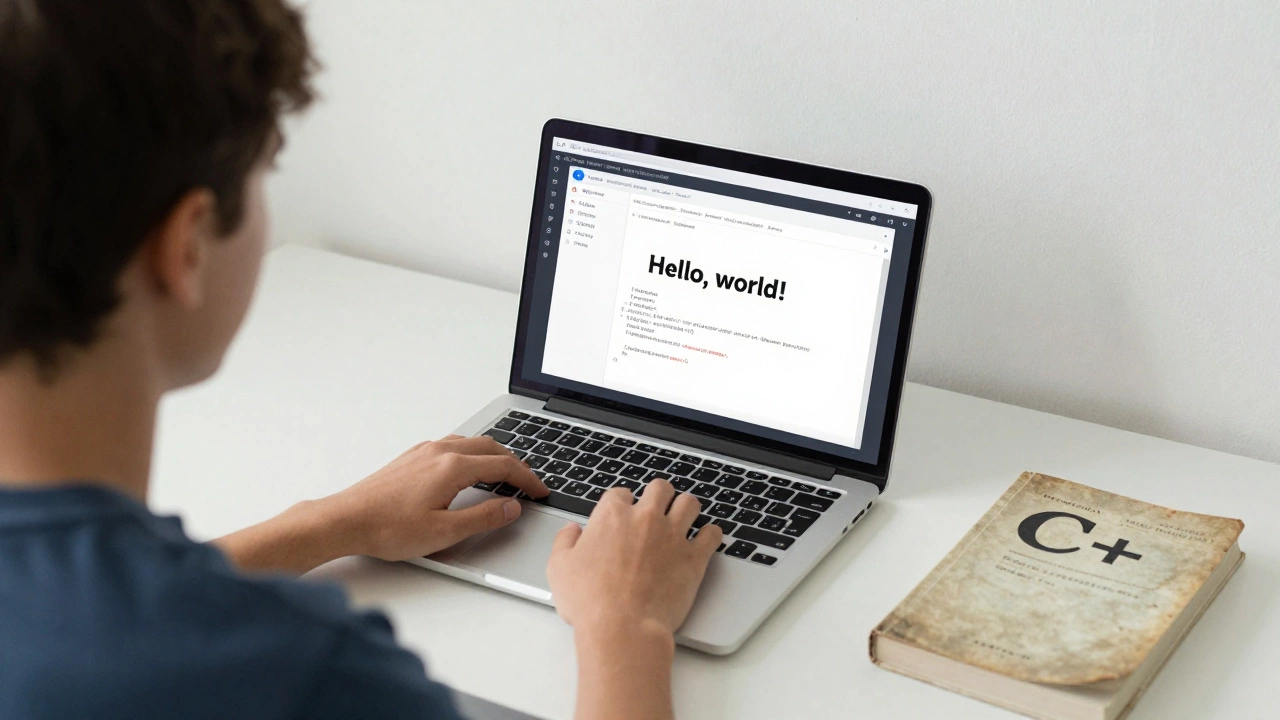
You don't need C++ to learn JavaScript. This article clears up the myth and shows you exactly what you need to start building real web projects with JavaScript today.
JavaScript isn't being replaced in 2026 - it's evolving. WebAssembly, AI, and new frameworks are enhancing it, not replacing it. Learn why JavaScript remains the backbone of the web and why you should still master it.
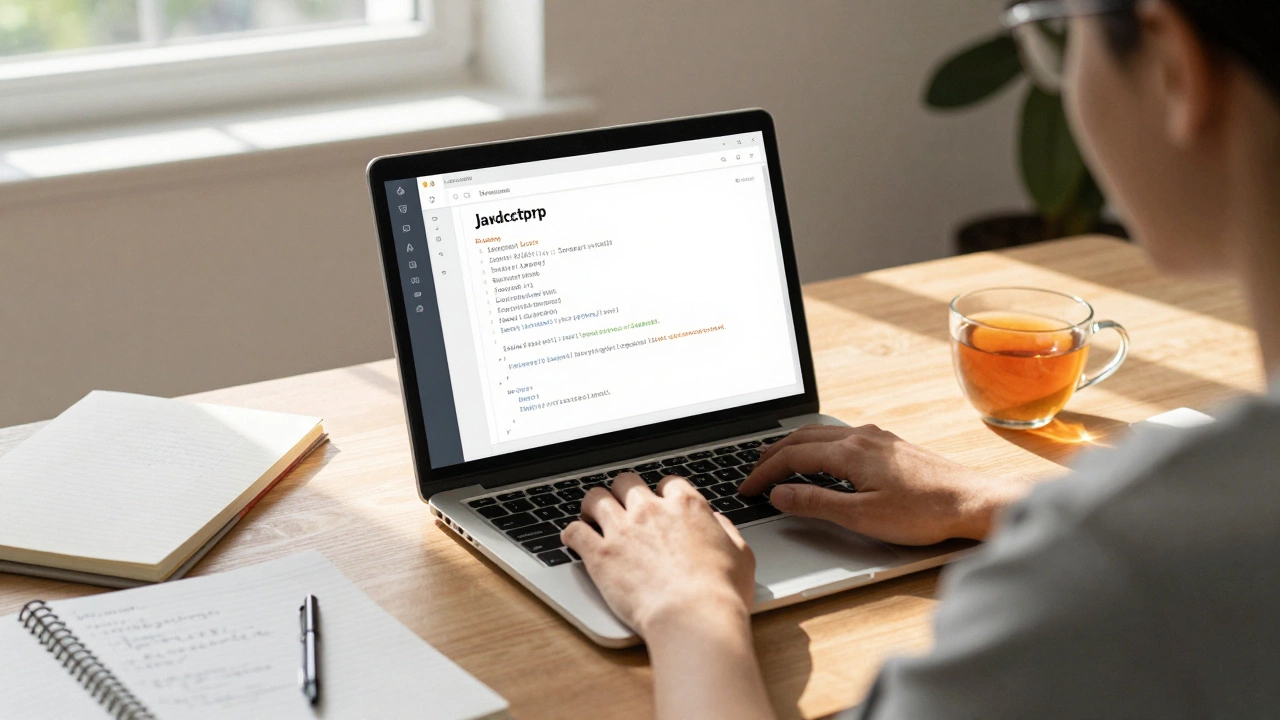
Three months is enough to build real JavaScript skills-not mastery, but enough to create functional web apps, solve problems, and keep growing. Consistency beats intensity.

It's never too late to learn JavaScript in 2026. Whether you're changing careers or just curious, JavaScript skills open doors to remote jobs, freelance work, and digital opportunities-with no degree required.

Learn how long it realistically takes to become proficient in JavaScript-from beginner to job-ready. No hype, just a clear timeline based on real-world progress and consistent practice.
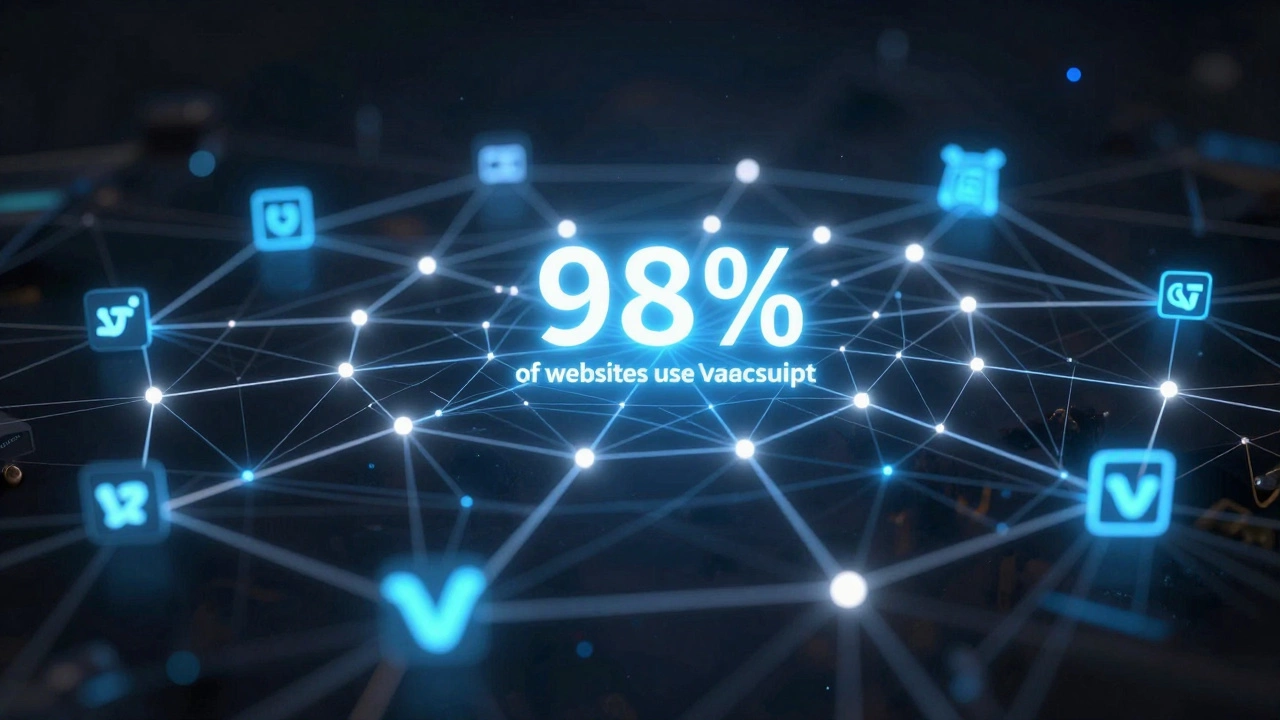
JavaScript is not dead-it's more alive than ever in 2025. With 98% of websites using it and 70% of developers relying on it daily, JavaScript remains the backbone of the modern web.
JavaScript is faster than Python in browsers and high-concurrency servers, but Python excels in data science and rapid development. The real difference? Use cases, not raw speed.

JavaScript isn't magic-it's learnable. This guide shows beginners how to start small, avoid common traps, and build real projects without getting overwhelmed. No fluff, just what works.
You don't need advanced math to learn JavaScript. Most web development uses basic arithmetic and built-in functions. Learn what you actually need - not what you think you should.