
JavaScript Learning Progress Calculator
How much JavaScript can you actually learn in 3 months? Calculate your realistic progress based on your weekly commitment. This tool is based on the article's 12-week roadmap for beginners.
Estimated Progress
Total Hours: 180 hours in 12 weeks
Learning Level: Intermediate
Key Skills: Variables, loops, DOM manipulation, API fetches
Your 3-Month JavaScript Projects
Weather App
Fetch real-time weather data and display it using DOM manipulation
Weeks 7-9Task Manager
Build a functional task list with local storage and event handling
Weeks 10-12Personal Budget Tracker
Create a simple financial tracker with basic calculations
Weeks 10-12With 15+ hours weekly: You'll be able to build interactive web applications and fetch real data from APIs. You won't master frameworks yet, but you'll have the foundation to start learning React or Vue.
Remember: Consistency beats quantity. Even 10 hours/week gets you 120 hours—enough to build multiple projects with real-world functionality.
Can you really learn JavaScript in three months? It’s a question every beginner asks when they stare at a blank editor, wondering if they’re wasting time. The short answer? Yes-but not the way you think. You won’t become an expert. You won’t build the next big app. But you can absolutely go from zero to functional, confident, and ready to keep going. Three months isn’t a finish line. It’s a launchpad.
What Does "Learn JavaScript" Even Mean?
People say "learn JavaScript" like it’s one thing. But it’s not. It’s a stack. At the start, you’re learning syntax: variables, loops, functions. Then you move to DOM manipulation-making buttons work, changing text on a page. After that, you hit async code-fetching data, handling promises. Then modules, ES6+, and eventually frameworks like React or Vue. Each layer takes time.
Three months gets you through the first two or three layers. If you’re consistent, you’ll be able to:
- Write clean, readable JavaScript without copying code from Stack Overflow
- Build interactive web pages with event listeners and dynamic content
- Fetch data from APIs and display it on a webpage
- Debug errors using browser dev tools without panicking
- Understand how JavaScript fits into real websites
That’s not nothing. That’s enough to land an internship, contribute to open-source projects, or build your own portfolio site. But it’s not enough to walk into a senior developer role. Don’t confuse progress with mastery.
How to Structure 3 Months of Learning
Random learning doesn’t work. You need a plan. Here’s what a realistic 12-week schedule looks like for someone putting in 15-20 hours a week:
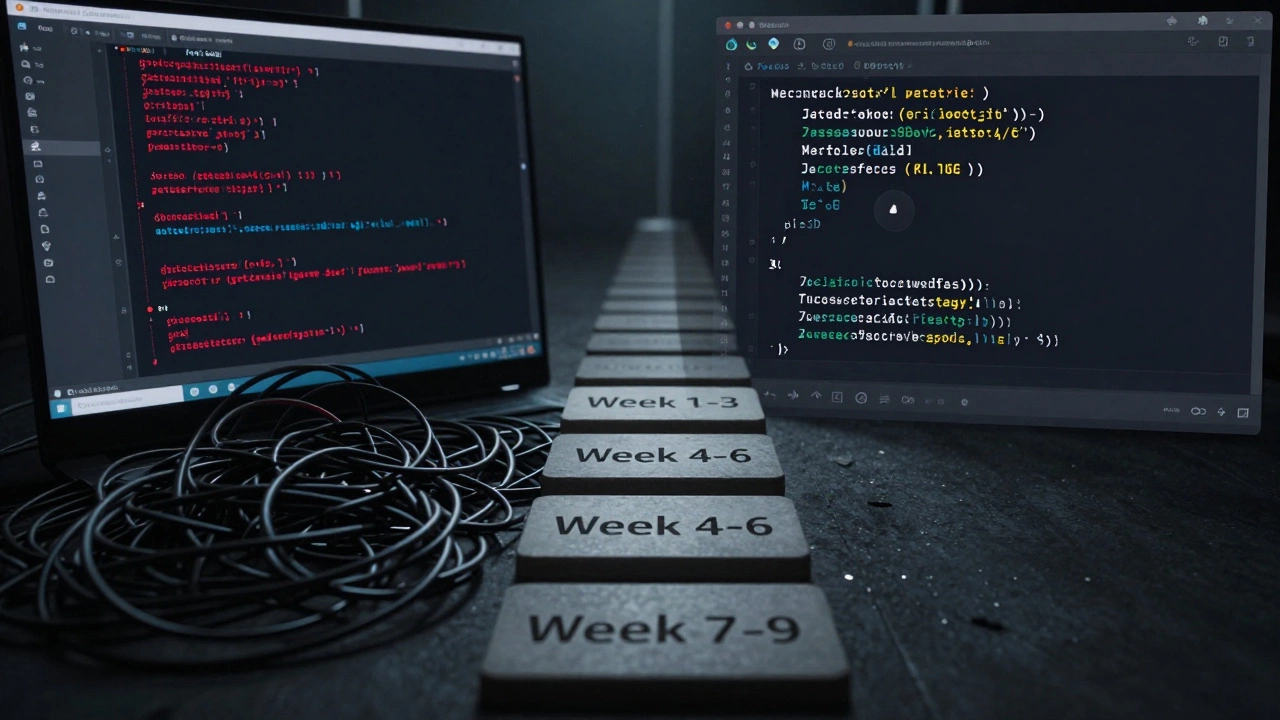
- Weeks 1-3: Basics - Variables, data types, conditionals, loops, functions. Use free resources like freeCodeCamp or MDN. Build tiny scripts: a calculator, a to-do list with no storage.
- Weeks 4-6: DOM and Events - Learn how JavaScript talks to HTML and CSS. Manipulate elements. Add click handlers. Build a simple weather app that updates based on user input.
- Weeks 7-9: Async & APIs - Fetch data from public APIs like JSONPlaceholder or CoinGecko. Handle promises and async/await. Display real data-stock prices, weather, cat photos.
- Weeks 10-12: Project Integration - Combine everything into one project. A task manager with local storage. A movie search app. Build it, break it, fix it. Then deploy it on GitHub Pages.
That’s it. No theory overload. No memorizing every method in the JavaScript standard library. Just build. Break. Repeat.
What You Won’t Cover in 3 Months
Here’s the reality check: you won’t touch these in three months, and that’s okay.
- Advanced JavaScript patterns (prototypes, closures, hoisting deep dives)
- Framework internals (React state management, Vue reactivity)
- Build tools (Webpack, Vite, Babel)
- Testing (Jest, Cypress)
- Node.js backend development
These are the next steps. They’re important, but they come after you’ve built muscle memory with vanilla JavaScript. Trying to learn them too early is like trying to run a marathon before you’ve learned to walk without tripping.
Most people quit because they think they’re falling behind. They see someone on YouTube building a full-stack app in two weeks and feel like a failure. That person has been coding for years. You’re not behind. You’re exactly where you should be.
Real People, Real Results
Let’s look at two real cases from people who stuck to a 3-month plan.
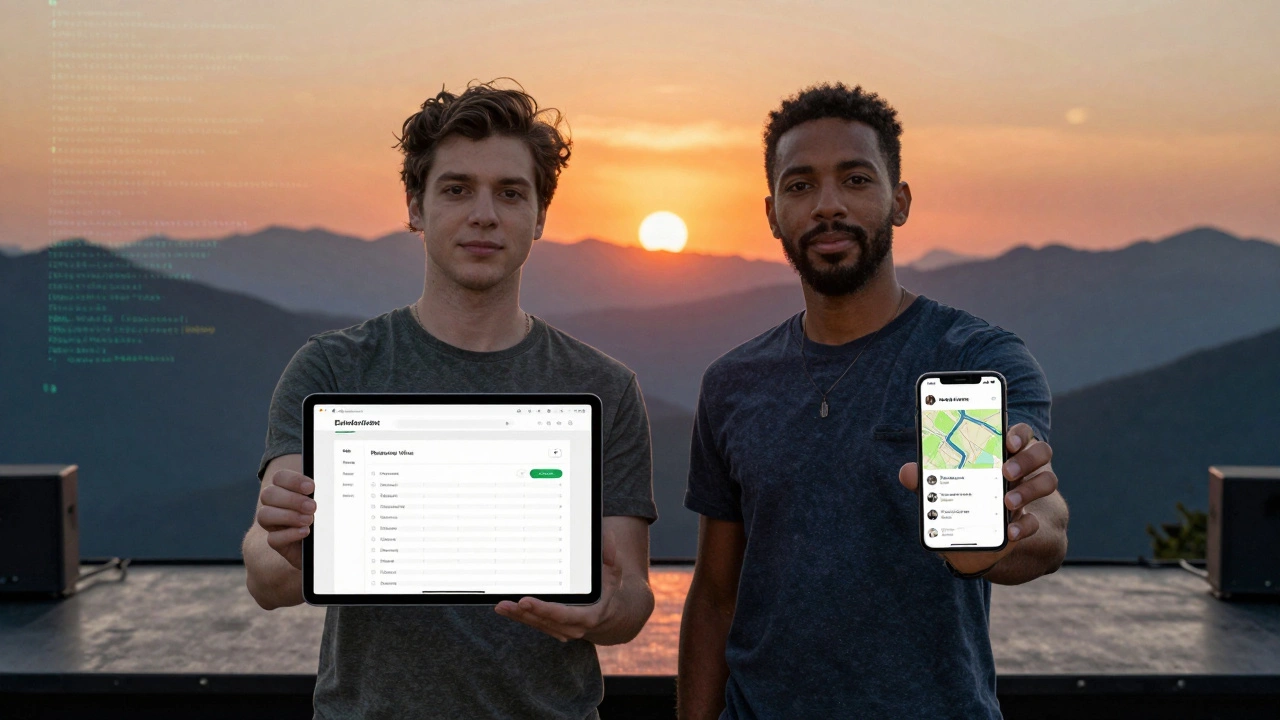
Maria, 28, former retail worker: She spent 15 hours a week learning JavaScript. By month three, she built a personal budget tracker with charts and local storage. She didn’t know what a framework was. But she could explain how localStorage worked. She got hired as a junior frontend assistant at a small agency. Her boss said: "She doesn’t know everything, but she solves problems. That’s rare."
Derek, 34, ex-mechanic: He coded during lunch breaks and after his kids went to bed. He built a hiking trail map with geolocation and user comments. He didn’t get a job. But he launched his site, shared it on Reddit, and got 500 visitors in a week. He now teaches beginners on Discord. He didn’t need a title. He needed proof he could do it.
Neither of them knew React. Neither of them wrote unit tests. But both could write JavaScript that worked. And that’s the goal for three months.
What Gets in the Way?
Most people don’t fail because JavaScript is too hard. They fail because:
- They switch tutorials every week. One day it’s freeCodeCamp. Next day it’s The Odin Project. Then a Udemy course. Consistency beats variety.
- They wait to "feel ready." You don’t need to understand closures to build a button that changes color. Start small. Fix the small things.
- They don’t build projects. Watching videos feels productive. Building something real feels scary. But only building sticks.
- They compare themselves to experts. You’re not supposed to know what a closure is at week 4. You’re supposed to make a button work.
The biggest mistake? Thinking mastery is the only win. Progress is the win.
After 3 Months: What’s Next?
Three months doesn’t mean you’re done. It means you’re ready to level up. Here’s what to do next:
- Build one more project, but this time, use a framework. Try React or Vue. You’ll understand why they exist.
- Learn how to use Git and GitHub. Push your code. It’s not optional anymore.
- Read other people’s code. Find a simple open-source project. Try to fix one bug.
- Start asking questions on forums-not "how do I do this?" but "why does this code work this way?"
JavaScript doesn’t have a finish line. It has layers. Three months gets you through the first layer. The rest? That’s where the real learning begins.
Is 3 Months Enough? Yes-if You Measure It Right
Three months won’t make you a senior developer. But it can make you someone who writes code that works, solves real problems, and doesn’t quit when things get hard. That’s more valuable than any certificate.
If you code 15 hours a week for 12 weeks, you’ll have:
- 180+ hours of hands-on practice
- 3-5 completed projects
- Confidence to keep going
- A portfolio that proves you can build
That’s not enough to be the best. But it’s more than enough to be ahead of 90% of the people who gave up after a month.
Start today. Build something dumb. Break it. Fix it. Repeat. In three months, you won’t look back and wish you’d started sooner. You’ll look back and wonder why you waited.
Can I learn JavaScript in 3 months if I’ve never coded before?
Yes. You don’t need a computer science degree or prior experience. What you need is consistency. If you spend 15-20 hours a week building small projects-like buttons that change color, forms that validate input, or apps that fetch weather data-you’ll have functional skills in three months. Focus on doing, not just watching.
Do I need to learn HTML and CSS first?
You don’t need to be an expert, but you need to understand the basics. JavaScript interacts with HTML and CSS. Learn how to select elements with document.querySelector(), how to change styles with element.style, and how to add event listeners to buttons or forms. You can learn HTML and CSS alongside JavaScript-just don’t wait until you "master" them.
Should I use a framework like React right away?
No. Frameworks hide how JavaScript actually works. Learn vanilla JavaScript first-how events, DOM manipulation, and async code function under the hood. Once you can build a simple app without React, using it will make sense. Otherwise, you’ll just copy code without understanding why it works.
What if I get stuck for days on a project?
That’s normal. Even experienced developers get stuck. The key is to break the problem down. Ask: "What’s the smallest part I can fix?" Use browser dev tools to inspect errors. Search for the exact error message. Ask on forums with code snippets. Don’t delete your code and start over. Debugging is part of learning.
Is 3 months enough to get a job?
It’s enough for entry-level roles like junior frontend assistant, intern, or freelance gig. You won’t qualify for senior roles, but you can land jobs if you have a portfolio with 3 solid projects. Employers care more about what you can build than how long you’ve been coding. Show them your code. Explain your choices. That’s more powerful than any resume.