
What is the Easiest Thing to Sell Online? A Practical Guide for Beginners
26 Oct 2026Discover the easiest things to sell online in 2026. From digital products to print-on-demand, learn which low-risk models fit your budget and skills.
Looking for a site that loads quickly, looks great on any device, and actually helps your business? You’ve come to the right place. We build custom WordPress sites, responsive layouts, and full‑stack applications that fit your budget and timeline.
We handle everything from front‑end design to back‑end coding. Need a fast e‑commerce store? Want SEO baked into your code? Our team covers web design, PHP development, JavaScript frameworks, and hosting setup, so you don’t have to juggle multiple vendors.
Based in the UK, we understand local markets and compliance rules. Our developers stay up‑to‑date with the latest tech stacks, and we provide clear, regular updates so you always know what’s happening. Ready to boost your online presence? Get in touch and see how a simple, modern website can drive real results.
Discover the easiest things to sell online in 2026. From digital products to print-on-demand, learn which low-risk models fit your budget and skills.
Discover if responsive web design is worth the investment. We analyze SEO impacts, maintenance costs, and conversion rates to help you decide.

Discover why responsive web design is essential in 2026. We analyze the ROI, SEO benefits, and user experience impacts to help you decide if it's worth the investment.
Deciding between Angular and React in 2024? We break down the key differences, learning curves, and job market trends to help you choose the right framework for your career.

Discover if mastering web development in 3 months is realistic. Learn a focused roadmap covering HTML, CSS, JavaScript, and backend basics to launch your coding career.

Discover the most used web development frameworks in 2024. We analyze React, Next.js, Django, and Laravel to help you choose the right tool for your project.
Discover the fastest way to learn full stack development in 2026. Skip tutorial hell, master one stack, and build job-ready projects in months.

Thinking about switching careers to tech? Discover why starting to code at 40 is viable. Learn how to master JavaScript, avoid burnout, and land a job.

Discover why Node.js is a runtime, not a framework or library. Learn the key differences, when to use raw Node, and how tools like Express fit into the stack.

Confused about where Java fits? Discover why Java is strictly a back-end language and how it differs from front-end JavaScript. Learn the real role of Java in web architecture.
Confused between Python and JavaScript? Discover which language fits your goals. We compare ease of learning, job markets, and project types to help you choose.
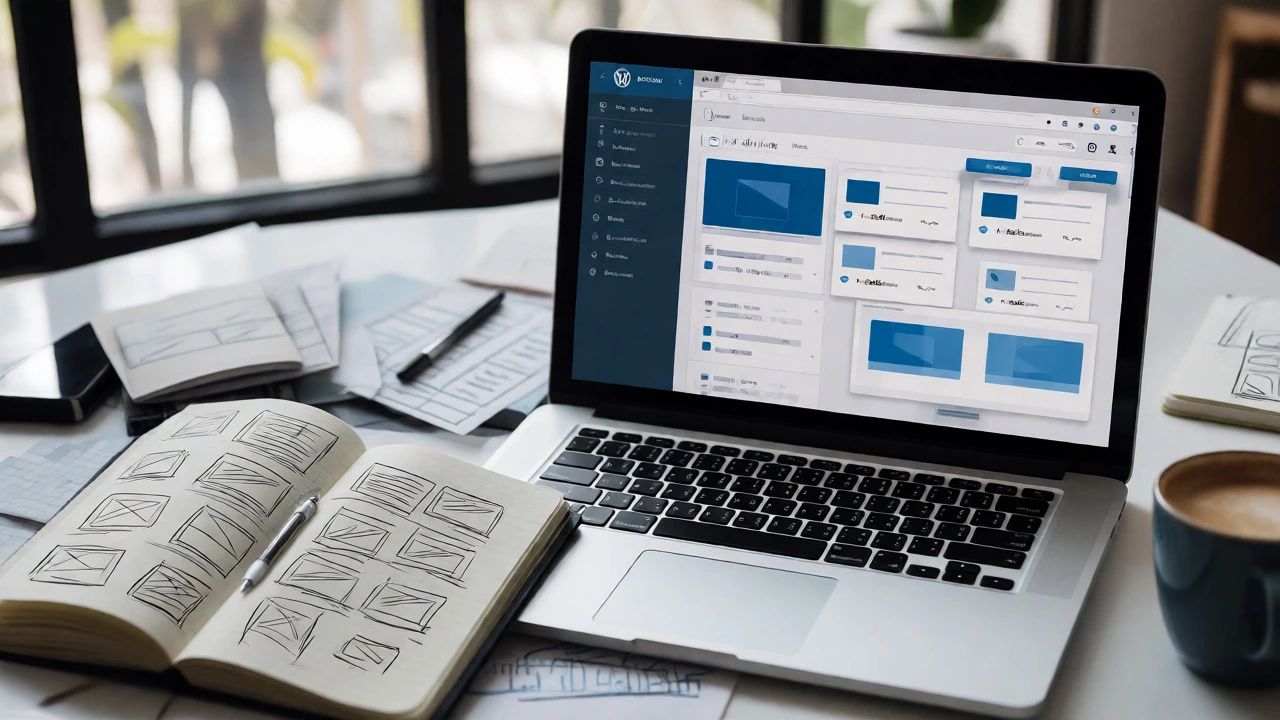
Wondering if WordPress development is hard? Discover the real learning curve, essential skills like PHP and CSS, and a realistic roadmap to go from beginner to pro.