
Is HTML a Web Framework? Clearing Up the Confusion
2 Oct 2026Discover why HTML is a markup language, not a web framework. Learn the differences between HTML, CSS, and JavaScript frameworks like React and Bootstrap.
If you’ve ever built a site from scratch, you know it can feel endless – writing every line of HTML, CSS, and JavaScript takes time and can lead to mistakes. That’s why most developers turn to frameworks. A framework gives you a ready‑made structure, common utilities, and best‑practice patterns so you can focus on the unique parts of your app instead of reinventing the wheel.
In plain terms, a framework is a collection of code that handles routine tasks like routing, data binding, and UI rendering. It lets you write less boilerplate and more business logic. The result is faster development, more consistent code, and usually better performance because the framework has been fine‑tuned by thousands of contributors.
First, they speed up the learning curve. When you start a new project, you don’t need to figure out everything from zero; the framework’s documentation shows you the standard way to do things. Second, they enforce consistency. Teams using the same framework follow the same file structure and naming conventions, which makes collaboration smoother and reduces bugs.
Third, frameworks often include built‑in security features. For example, they handle input sanitization, protect against cross‑site scripting (XSS), and manage authentication flows. That saves you from having to write fragile custom code that could leave holes.
Finally, the community around a popular framework provides plugins, tutorials, and quick answers to common problems. Whether you need a date picker, chart library, or server‑side rendering, you’ll likely find a ready‑made solution that plugs right in.
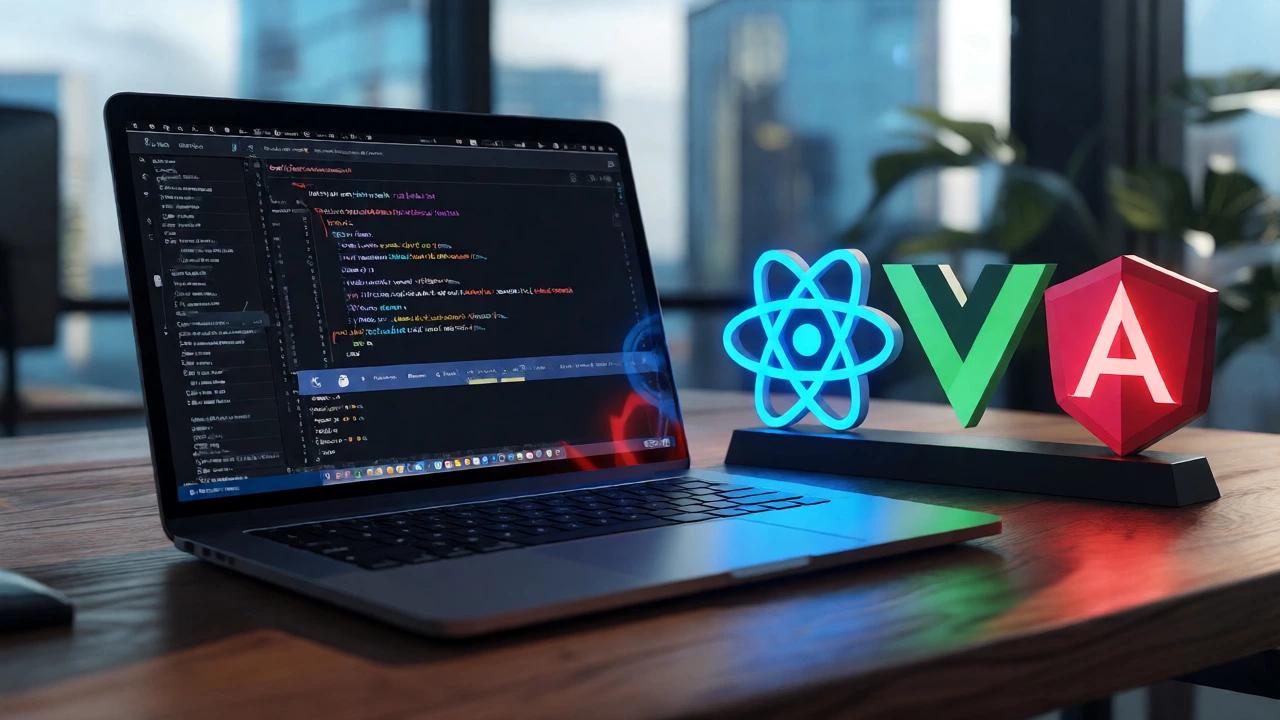
On the front‑end side, React still dominates, thanks to its component model and huge ecosystem. Vue 3 has gained traction for its simplicity and excellent TypeScript support. If you prefer a more opinionated setup, Angular offers a full‑stack solution with built‑in tools for routing, forms, and testing.
Back‑end developers often pick Node.js with Express or NestJS. Node.js isn’t a framework itself, but its runtime lets you run JavaScript on the server, while Express provides a thin layer for handling requests. NestJS builds on top of Express (or Fastify) and adds a modular architecture that feels familiar to Angular fans.
For Python lovers, Django remains a solid, batteries‑included option, while Flask gives you lightweight flexibility. Ruby on Rails still appeals to startups that need rapid prototyping, and newer entrants like Phoenix (Elixir) offer impressive concurrency for real‑time apps.
When choosing, ask yourself three questions: Does the framework support the features your project needs? Is the learning curve compatible with your team’s skill set? And how active is the community – are updates and security patches released regularly?
In practice, you might start with a front‑end library like React for a dynamic UI, then pair it with a Node.js back‑end using Express for a lightweight API. Or, if you’re building an admin dashboard with lots of forms, Vue 3 together with Laravel (PHP) can be a smooth combo.
Remember, the best framework isn’t the one with the most stars on GitHub; it’s the one that fits your project’s size, timeline, and future maintenance plans. Test a small prototype, check documentation clarity, and see how comfortable you feel writing code in its style. That practical experiment will tell you more than any hype article ever could.
Bottom line: frameworks cut down development time, enforce good practices, and give you a safety net of community support. Pick the one that aligns with your goals, and you’ll spend less time wrestling with setup and more time delivering value to users.
Discover why HTML is a markup language, not a web framework. Learn the differences between HTML, CSS, and JavaScript frameworks like React and Bootstrap.

Discover which web development framework suits your future projects. We compare React, Svelte, and Vue based on performance, hiring, and ecosystem health.

Discover the best web frameworks for 2024. Compare React, Django, Laravel, and emerging tools like Astro to find the right fit for your project.
Discover the best web frameworks for 2024. We compare React, Vue, Node.js, Django, and Go to help you choose the right tech stack for your project.

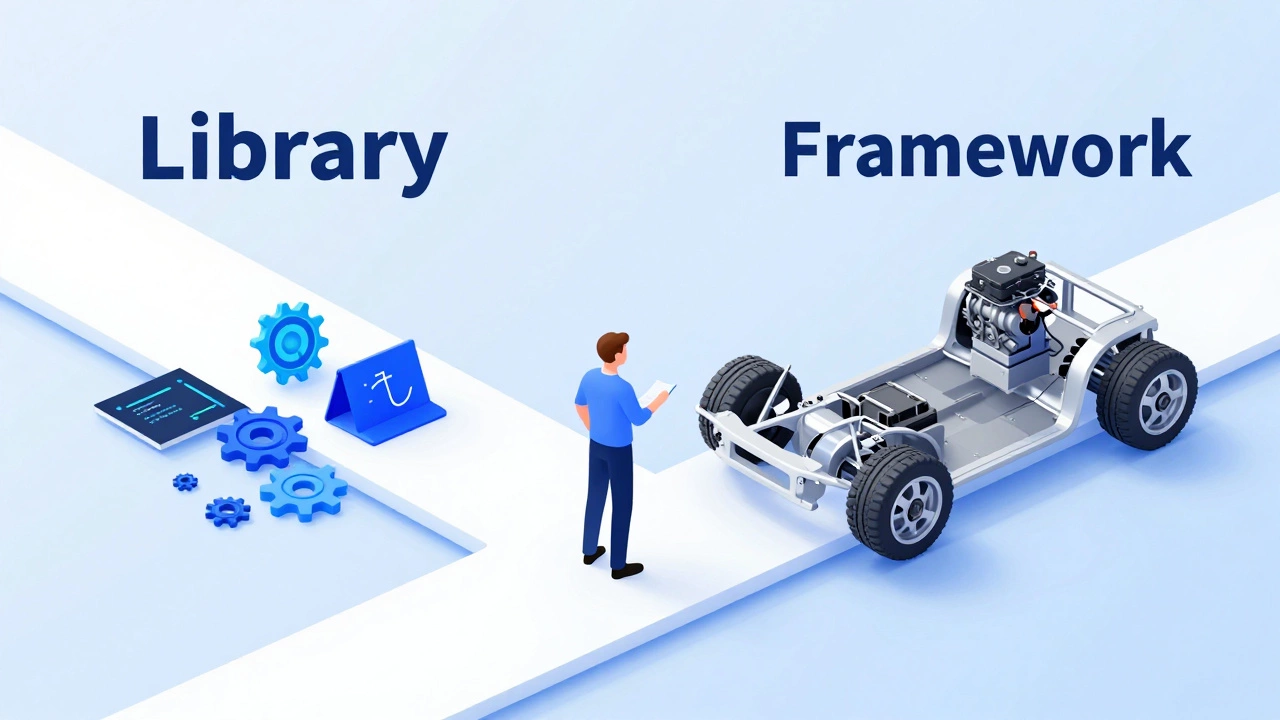
Learn what a web development framework is, how it differs from libraries, and why it speeds up building secure, scalable apps. Compare top tools like React, Django, and Vue.

Discover when Django is the wrong choice for your web project. Learn about performance bottlenecks, real-time limitations, and better alternatives like FastAPI and Flask for specific use cases.

Does Next.js replace Node.js? No. Next.js is a React framework that runs on Node.js. Learn the key differences, when to use each, and how they work together in modern web development.

Discover whether Django is truly better than PHP for your next web project. We compare performance, security, learning curves, and ecosystem strengths to help you decide.

Explore what technologies have emerged as alternatives to PHP in 2026. We analyze Node.js, Python, Go, and Rust to help you choose the right stack for your next web project.

Explore whether VS Code will replace Visual Studio in 2026. Compare features, performance, and use cases for web and enterprise development.
Is Next.js a framework? Yes, it is a React meta-framework offering SSR, SSG, and file-based routing. Learn why this distinction matters for your web architecture.
Discover the tech stack behind Visual Studio Code. Learn how TypeScript, Electron, and Node.js combine to create the world's most popular code editor.