
Python vs JavaScript for Backend: Which One Should You Choose in 2026?
20 Jun 2026Compare Python and JavaScript for backend development. Learn which language suits your project based on performance, ecosystem, and team expertise.
Compare Python and JavaScript for backend development. Learn which language suits your project based on performance, ecosystem, and team expertise.

Is web2py dead in 2026? We analyze the framework's current status, community activity, and performance. Learn when to stick with web2py and how to migrate to modern alternatives like Django and FastAPI.

Discover the best web development frameworks in 2024. Compare React, Next.js, Vue, and Svelte to find the right tool for your project's needs.

Can C++ do front-end development? While browsers don't run C++ natively, WebAssembly allows C++ to power high-performance web apps. Learn when to use it, the tools involved, and the trade-offs.

Explore whether PHP still holds its ground in 2026. We compare PHP against Go, Node.js, Python, and Rust to determine if there is truly a better backend language for your next project.

Discover why React JS is technically a library, not a framework, and how this distinction affects your web development architecture and tool choices.

Is React still the king of web development? Explore the rise of Svelte, Qwik, and SolidJS as they challenge the virtual DOM and redefine modern web performance.

Discover the difference between Python the language and web frameworks like Django. Learn which tools to use for backend development in 2026.
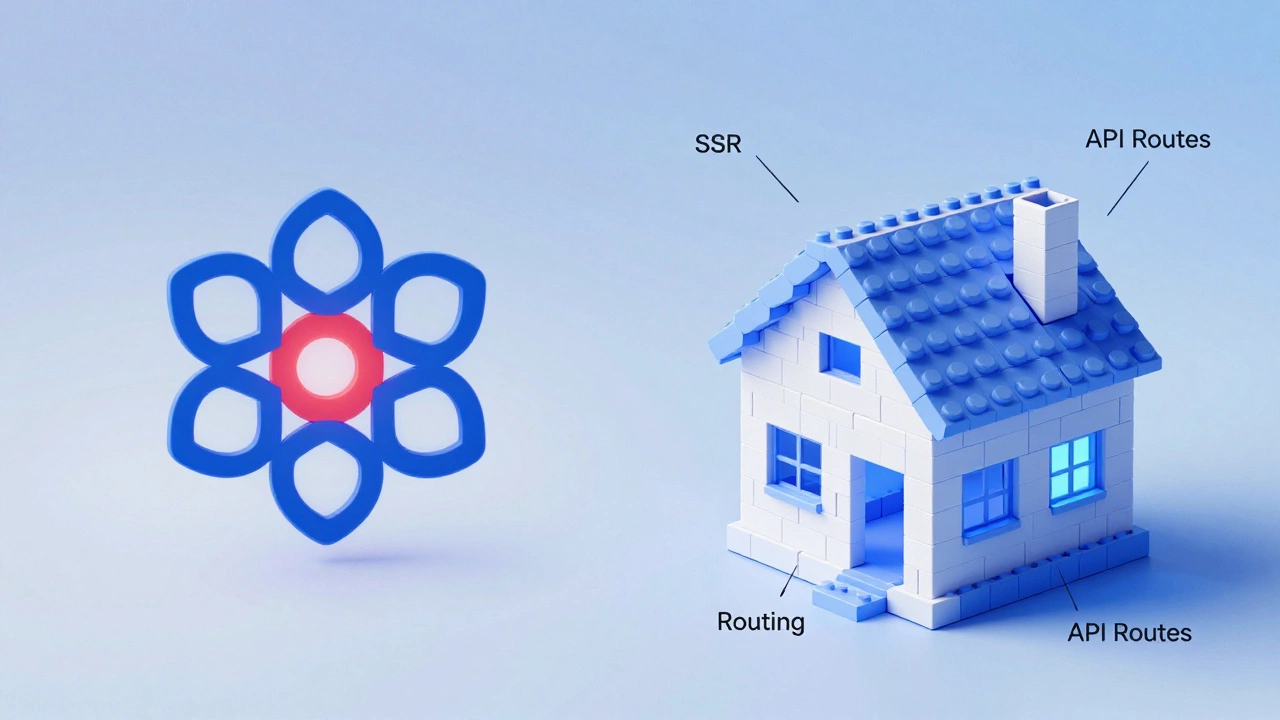
Next.js isn't replacing React-it's enhancing it. Learn why React remains essential, how Next.js adds server-side features, and when to use each for modern web apps in 2026.
Django isn't unpopular because it's weak - it's quiet. While JavaScript frameworks dominate hype, Django powers giants like Instagram and Pinterest with unmatched stability. Learn why it's still a top choice for serious web apps.

Netflix doesn't use Next.js - it built its own custom React-based system to handle billions of streams across thousands of devices. Here's why, and what you should learn instead.
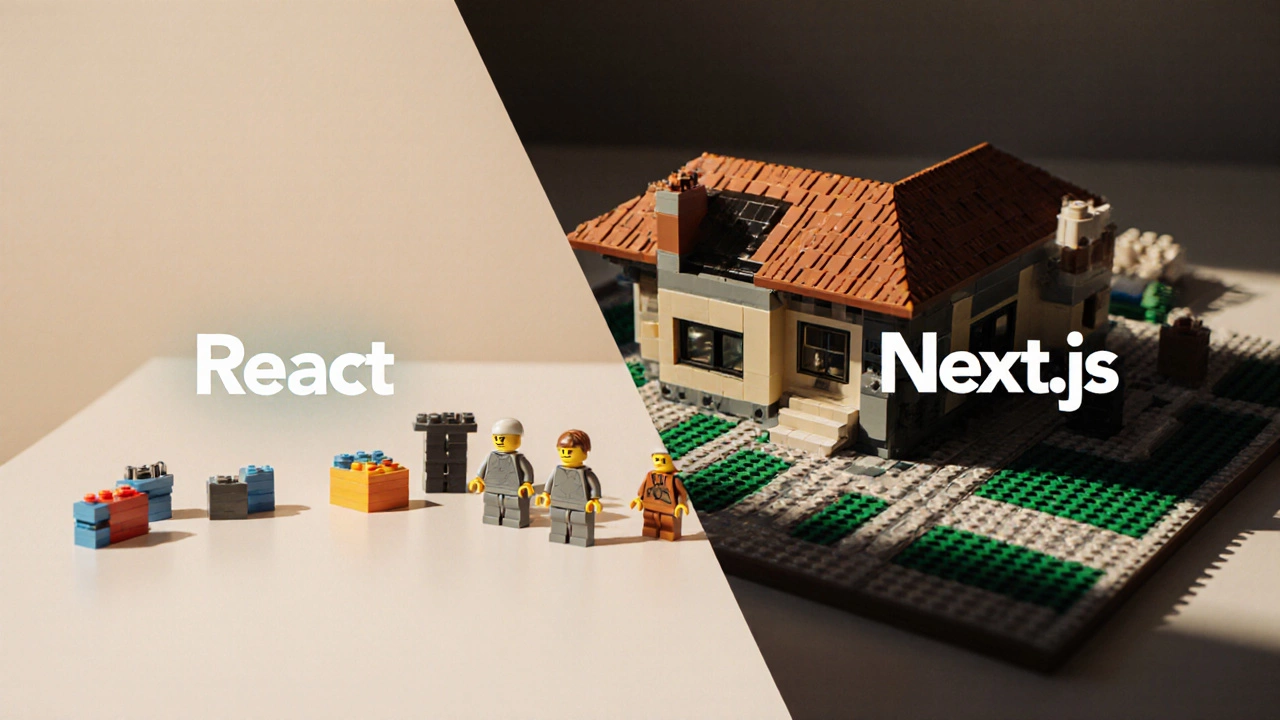
Should you learn React or Next.js in 2025? Next.js is the smarter choice for most developers-it includes React plus essential tools for building fast, SEO-friendly websites. Start here.