
UX Designer Salary Calculator
Estimate Your Salary
See how your experience and location compare to market rates (2026 data)
Estimated Salary
Based on 2026 market data from Glassdoor, levels.fyi, and industry reports. Values include base salary only. See full article
UX designers don’t just make apps look nice-they decide whether you’ll stick with an app or delete it in 30 seconds. So, do they get paid well for that kind of influence? The short answer: yes, but it’s not the same everywhere. If you’re thinking about becoming a UX designer, or you’re already in the field wondering if you’re being paid fairly, here’s what’s actually happening in 2026.
What UX Designers Actually Do
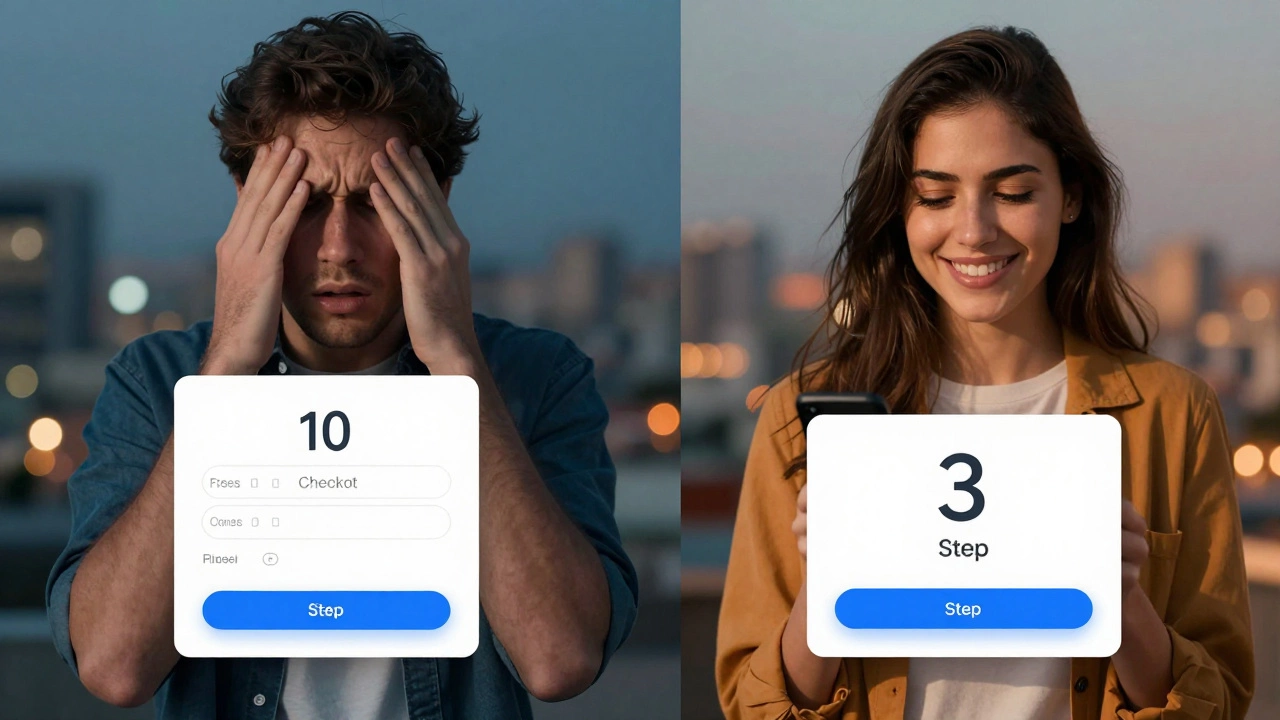
Before we talk money, let’s clear up what UX designers do. They’re not graphic designers. They don’t pick colors or fonts just because they look cool. They study how people think, behave, and get frustrated when using digital products. They run user interviews, map out user journeys, test prototypes, and fix confusing flows. A good UX designer can turn a 10-step checkout process into a 3-step one-and that directly boosts sales. Companies pay for results, not just pretty wireframes.
UX Designer Salaries in the U.S. (2026)
In the United States, entry-level UX designers earn between $75,000 and $95,000 a year. That’s higher than most college grads in non-tech fields. Mid-level designers-with 3 to 5 years of experience-make $105,000 to $135,000. Senior UX designers at big tech companies like Google, Apple, or Amazon often hit $150,000 to $190,000, not including bonuses or stock. Some lead UX roles at startups with funding can go over $200,000.
Location matters a lot. In San Francisco or New York City, salaries are 20-30% higher than the national average. But if you live in Austin, Atlanta, or Denver, you’ll still earn well above the U.S. median household income of $78,000, even if the numbers are lower than the coasts.
How Salaries Compare Globally
UX design pay isn’t the same everywhere. In Switzerland, senior UX designers average CHF 130,000 (about $145,000 USD). Germany pays €85,000-€110,000. The UK offers £60,000-£85,000. In Canada, it’s CAD 90,000-$120,000. But in countries like India or the Philippines, entry-level UX roles pay $8,000-$15,000 annually. That’s not because the work is less valuable-it’s because of local market rates and cost of living.
Remote work has changed this. Many U.S.-based companies now hire UX designers from Eastern Europe, Latin America, or Southeast Asia at rates 40-60% lower than U.S. salaries. But these roles often come with fewer benefits and less career growth. If you’re outside the U.S. and want top pay, working remotely for a U.S. company is the most reliable path.
Freelance vs. Full-Time Pay
Freelance UX designers can make more-or less-than full-timers, depending on how they manage their business. Top freelancers charge $100-$200 per hour. That means a 40-hour project can net $4,000-$8,000. But they also have to handle taxes, insurance, marketing, and gaps between clients. The average freelance UX designer in the U.S. earns $95,000-$120,000 annually, but only if they’re consistently booked.
Many freelancers struggle with inconsistent income. One month they’re busy with a fintech app redesign; the next, they’re pitching to small businesses. Full-time roles offer stability, health insurance, 401(k) matches, and paid time off. If you’re risk-averse or need benefits, a full-time job usually pays better in the long run.
What Raises Your Pay
Not all UX designers earn the same. What pushes salaries higher?
- Specialization: UX designers who focus on accessibility, healthcare tech, or AI interfaces earn 15-25% more. Companies pay more for niche skills.
- Portfolio quality: A strong portfolio with real case studies beats a degree every time. Employers want to see how you solved problems, not just what tools you used.
- Leadership: Moving into UX lead, manager, or director roles adds $30,000-$70,000 to your salary. It’s not about doing more design-it’s about guiding teams and aligning design with business goals.
- Industry: Finance, healthcare, and enterprise SaaS pay more than education or nonprofit tech. A UX designer at a bank makes more than one at a local nonprofit, even if the work feels similar.
Common Myths About UX Pay
There’s a lot of noise online. Let’s clear up a few myths.
- Myth: You need a design degree. False. Many top UX designers started in psychology, marketing, or even customer service. What matters is your ability to solve real user problems.
- Myth: Tools like Figma or Sketch pay your salary. No. Anyone can learn Figma in a weekend. Employers pay you for your thinking, research, and decision-making-not your tool skills.
- Myth: Junior designers get paid poorly. Not anymore. Entry-level UX roles in 2026 start at $75K. That’s higher than many software engineering interns.
- Myth: UX is just for tech companies. Wrong. Retail, insurance, government, and healthcare all need UX designers. The demand is broadening.

How to Know If You’re Underpaid
Here’s how to check if your salary matches the market:
- Look at levels.fyi or Glassdoor for your exact title, location, and years of experience.
- Compare your responsibilities. Are you doing research, prototyping, and testing-or just making mockups? If you’re doing more than visuals, you should be paid more.
- Check your benefits. Health insurance, remote work flexibility, learning stipends, and bonuses add 15-30% to your total compensation.
- Ask peers. Talk to other UX designers at meetups or LinkedIn. Most are happy to share salary ranges if you’re honest about your situation.
If you’re making less than the median for your level and location, it’s time to negotiate-or look elsewhere.
Is UX Design Still a Good Career?
Yes. The U.S. Bureau of Labor Statistics projects 22% growth in UX-related roles by 2030-much faster than average. Companies are realizing that bad design costs money. A single confusing button can lose thousands in sales. That’s why even small businesses now hire UX designers.
It’s not an easy path. You need to be curious, patient, and thick-skinned. You’ll get feedback like, “I don’t like the color,” when the real issue is a broken flow. But if you’re good at turning confusion into clarity, the pay reflects it.
Final Thought: It’s About Value, Not Titles
UX designers aren’t paid because they’re “creative.” They’re paid because they reduce support calls, increase conversion rates, and make products people actually want to use. If you can prove that impact, you’ll always be in demand-and well paid.
Do UX designers make more than UI designers?
Generally, yes. UX designers focus on research, strategy, and problem-solving, which are harder to measure and more valuable to businesses. UI designers focus on visual design and aesthetics. In most companies, UX roles pay 10-20% more because they’re closer to business outcomes. But in smaller teams, the roles overlap, and pay can be similar.
Can you become a UX designer without a degree?
Absolutely. Many successful UX designers come from backgrounds like psychology, journalism, customer support, or even graphic design. What employers care about is your portfolio, your process, and how you solve real problems. A bootcamp or online course can get you started, but your case studies and user research will decide if you get hired.
Is UX design a stable career?
Yes, but stability comes from adaptability. The tools change, the platforms evolve, and new tech like voice interfaces or AR/VR creates new demands. UX designers who keep learning-especially in areas like accessibility, AI, or data-driven design-stay in demand. Those who only know Figma and basic wireframes may struggle as the field matures.
How long does it take to land your first UX job?
With focused effort, most people land their first UX role in 6 to 12 months. That includes learning fundamentals, building 3-4 strong case studies, and networking. The biggest mistake? Spending months on tutorials without doing real projects. Employers want to see how you think-not just what you clicked in Figma.
Do UX designers work long hours?
It depends on the company. At startups, you might work 50+ hours a week during product launches. At established companies, 40-45 hours is typical. Unlike developers, UX designers rarely do late-night bug fixes. But user testing cycles, stakeholder meetings, and tight deadlines can create crunch periods. Good companies protect work-life balance-look for that in interviews.