Freelance Web Developer Rate Calculator
Calculate Your Rate
Why Your Rate Matters
Your Fair Hourly Rate:
$0.00
Based on your skill level and location
Yes, you can get a web developer job without experience. In fact, over 65% of freelancers in 2025 started with zero professional experience. The key? Knowing exactly where to focus your energy. Let’s cut through the noise and give you actionable steps to land your first gig.
Key Takeaways
- Build a portfolio with real projects-no degree needed.
- Start small on freelance platforms like Upwork or Fiverr to gain experience.
- Master HTML, CSS, and JavaScript basics before jumping into frameworks.
- Join developer communities to find opportunities faster.
- Avoid undercharging or skipping contracts-these kill new freelancers.
Build a Portfolio That Gets Noticed
Forget about waiting for a "real job" to start building. Your portfolio is your proof of skill. Create three simple projects that solve real problems. For example:
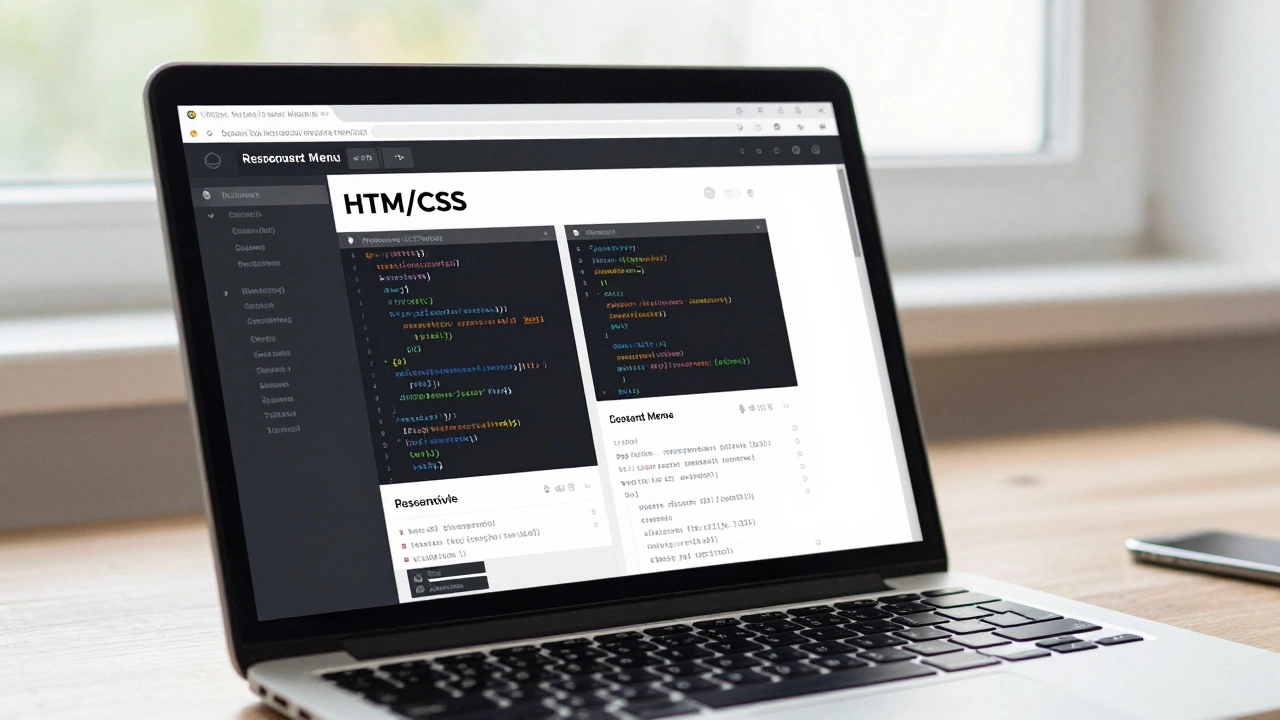
- A responsive restaurant menu page using HTML and CSS.
- A to-do list app with JavaScript that saves tasks to local storage.
- A weather widget that pulls data from a free API like OpenWeatherMap.
These projects don’t need to be perfect. They just need to show you can build functional code. Host them on GitHub Pages or Netlify for free. When clients see you’ve actually shipped working code, they’ll trust you more than someone with a degree but no real-world examples.
Contribute to Open Source Projects
Open source is your secret weapon. Many big projects welcome beginners. Start by finding issues labeled "good first issue" or "beginner-friendly" on GitHub. For example, freeCodeCamp has a repository with clear instructions for new contributors. Fixing typos in documentation or adding simple features teaches you how real teams collaborate. It also gives you public proof of your skills. In 2025, GitHub reported 40% of new contributors landed freelance work within three months of their first contribution.
Start Small on Freelance Platforms
Don’t wait for a "big" client. Upwork and Fiverr are perfect for beginners. Set your rates low at first-$15-$25/hour for simple tasks. Focus on gigs like:
- Fixing broken website layouts
- Creating basic landing pages
- Adding contact forms to WordPress sites
Why? Clients hiring for these tasks are often looking for affordable help. They’re not expecting perfection. Complete 2-3 small jobs perfectly, then ask for reviews. A 2026 Freelancer.com survey showed freelancers with 5+ positive reviews get hired 3x faster than those with none.
Learn the Right Skills First
Stop trying to learn everything at once. Focus on these fundamentals:
- HTML and CSS: Build any website structure. Learn responsive design so sites work on mobile.
- JavaScript basics: Variables, loops, functions. Practice by making interactive elements like image sliders or form validations.
- Git: Learn version control. It’s non-negotiable for collaboration.
Don’t jump into React or Vue.js until you can build static sites. A 2025 Stack Overflow survey found 78% of entry-level jobs required only HTML, CSS, and JavaScript. Master these first, then add frameworks later. Free resources like freeCodeCamp or MDN Web Docs give you everything you need.

Network Like a Pro (Even as a Beginner)
Jobs often come from people who know you, not job boards. Join communities like:
- Reddit’s r/webdev or r/freelance
- Discord servers for developers (search "web dev" on Disboard)
- Local meetups via Meetup.com (many are free online now)
Don’t just ask for jobs. Share your progress. Post a screenshot of your portfolio project and ask for feedback. People who help you will remember you when a client needs help. In Dublin, the Dublin Web Developers meetup group has helped over 200 beginners find gigs since 2024.
Avoid These Common Mistakes
New freelancers often trip up on these:
- Undercharging: Charging $5 for a complex project makes clients think you’re inexperienced. Charge what you’re worth-even if it’s $20/hour.
- No contract: Always use a simple written agreement. Upwork has built-in contracts, but for off-platform work, use a free template from Hello Bonsai.
- Ignoring communication: Reply to messages within 24 hours. Over-communicate progress. Clients pay for reliability as much as code.
These mistakes cost new freelancers 30% of potential income. Fix them early.
How Long Does It Take?
Most people land their first freelance job within 1-3 months. For example, a 25-year-old in Berlin built a portfolio in two weeks, contributed to two open-source projects, and landed a $100 gig on Upwork in 22 days. Consistency matters more than speed. Dedicate 1-2 hours daily to building projects, applying for gigs, and networking. You’ll see results faster than you think.
Do I need a degree to become a web developer?
No. A 2025 study by the National Bureau of Economic Research found 67% of web developers entered the field without a computer science degree. Employers care more about your portfolio and problem-solving skills than academic credentials.
How do I handle clients who ask for free work?
Politely decline. Say: "I’m happy to help, but I charge for my time to ensure I can deliver quality work. Here’s my portfolio-let’s discuss a paid project." Most clients respect clear boundaries. If they push back, walk away. Your time is valuable.
Should I specialize in front-end or back-end?
Start with front-end. It’s easier to see results (you build what you see) and has more entry-level opportunities. Learn HTML, CSS, and JavaScript first. Once comfortable, explore back-end basics like Node.js or Python. Many full-stack roles start with front-end experience.
Can I work remotely as a new freelancer?
Absolutely. Over 80% of freelance web development gigs in 2026 were remote. Platforms like Upwork and Toptal have global client bases. Just be clear about your availability time zone and communication style. Many clients prefer remote workers for flexibility.
What’s the fastest way to learn?
Build something real every day. Code tutorials are helpful, but applying knowledge to your own projects sticks better. For example, if learning JavaScript, build a calculator or a quiz app. Hands-on practice beats passive learning every time.