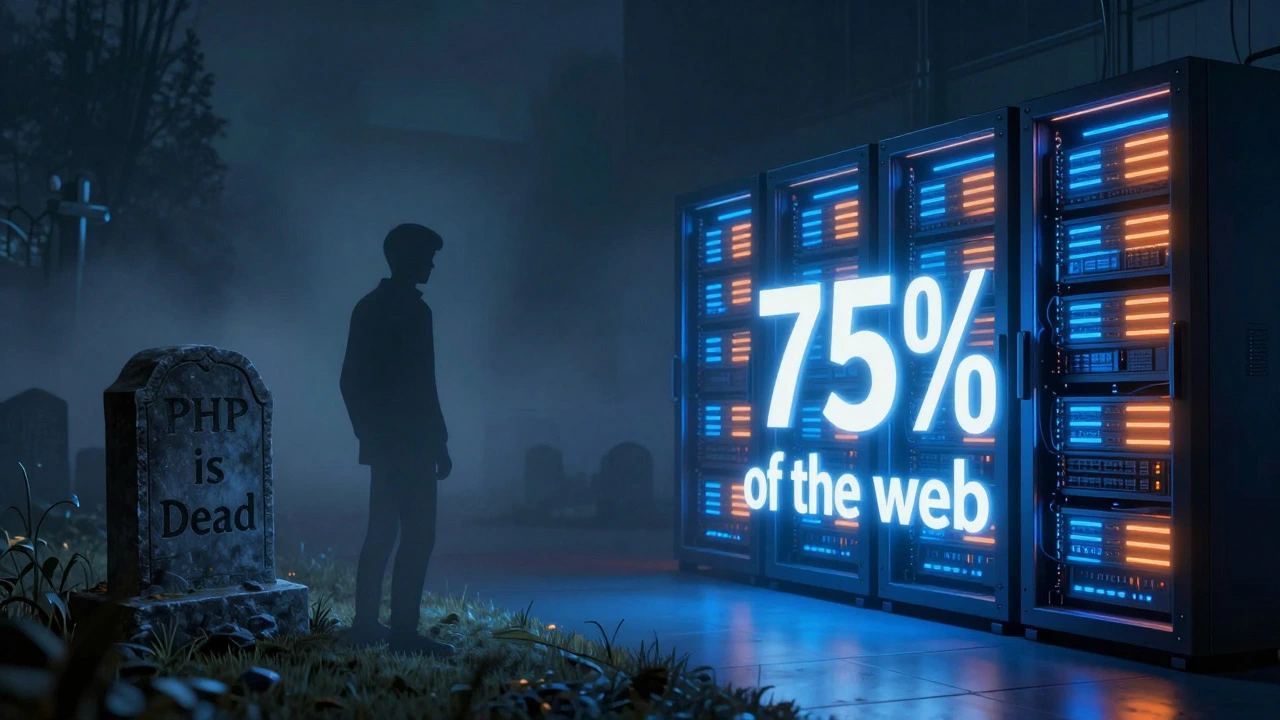
Is PHP Dead? The Truth About PHP Usage in 2026
10 Aug 2026Discover why PHP is still powering 75% of the web in 2026 despite rumors of its death. Learn about modern PHP performance, Laravel, and how it compares to Node.js.
If you’ve heard the word PHP and wondered if it’s still worth learning, the short answer is yes. It powers millions of sites, from tiny blogs to massive e‑commerce platforms. In this guide we’ll break down why PHP matters, which tools are hot right now, and how you can level up without getting lost in jargon.
First off, PHP isn’t going anywhere because the web still needs fast, cheap server‑side code. Platforms like WordPress, Drupal and Laravel keep the ecosystem alive, and they all rely on PHP. That means new jobs keep popping up for developers who can write clean, secure scripts. Also, PHP 8.2 brings JIT compilation and improved type handling, which make apps run smoother and safer.
Another boost is the rise of headless CMS solutions that expose data via APIs while still using PHP under the hood. If you combine a modern JavaScript front‑end with a PHP back‑end, you get the best of both worlds: rich user experiences and a rock‑solid server.
Learning PHP is easier than ever. Start with the official PHP manual – it’s free and packed with examples you can run straight away. For hands‑on practice, try building a small blog using Laravel’s starter kit; the framework’s conventions teach you good architecture without the overhead.
If you prefer video, YouTube channel "CodeCourse" breaks down real‑world projects step by step. Pair that with a community like the r/PHP subreddit, where you can ask quick questions and see how others solve common problems.
Don’t forget testing. Tools like PHPUnit let you catch bugs early, and they integrate nicely with CI pipelines on GitHub Actions. Adding tests might feel extra at first, but it saves hours of debugging later.
Finally, keep an eye on security. Use Composer to manage dependencies, enable strict types, and always sanitize user input. The OWASP PHP Security Cheat Sheet is a quick reference that helps you avoid the most common pitfalls.
Ready to start a project? Pick a simple idea – a to‑do list, a personal portfolio, or a basic API. Sketch the data model, write a few routes, and test each step. You’ll see how PHP’s built‑in server makes development fast, and you’ll get a portfolio piece you can show to future employers.
Bottom line: PHP remains a practical, job‑ready skill in 2025. With modern versions, powerful frameworks, and a wealth of learning resources, you can build fast, secure web apps without a steep learning curve. Dive in, experiment, and let the community guide you along the way.
Discover why PHP is still powering 75% of the web in 2026 despite rumors of its death. Learn about modern PHP performance, Laravel, and how it compares to Node.js.
Discover whether Django is truly better than PHP for your next web project. We compare performance, security, learning curves, and ecosystem strengths to help you decide.

Discover why PHP remains a vital tool for web developers in 2026. Explore its performance boosts, framework ecosystem, and continued dominance in the job market.
Discover if PHP is still a viable choice in 2024. We analyze performance, security, the job market, and frameworks like Laravel to give you a clear verdict on learning or using PHP today.

Is PHP still relevant in 2026? We analyze market share, modern features like JIT, and compare PHP against Node.js and Python to help you decide if it's right for your next web project.

Discover what PHP development is in 2026. Learn how this server-side language powers 75% of the web, explore modern frameworks like Laravel, and understand why it remains a top choice for secure, scalable web applications.

Is WordPress development still a viable career in 2024? Discover the shift from basic site building to high-end engineering and how to maximize your earnings.
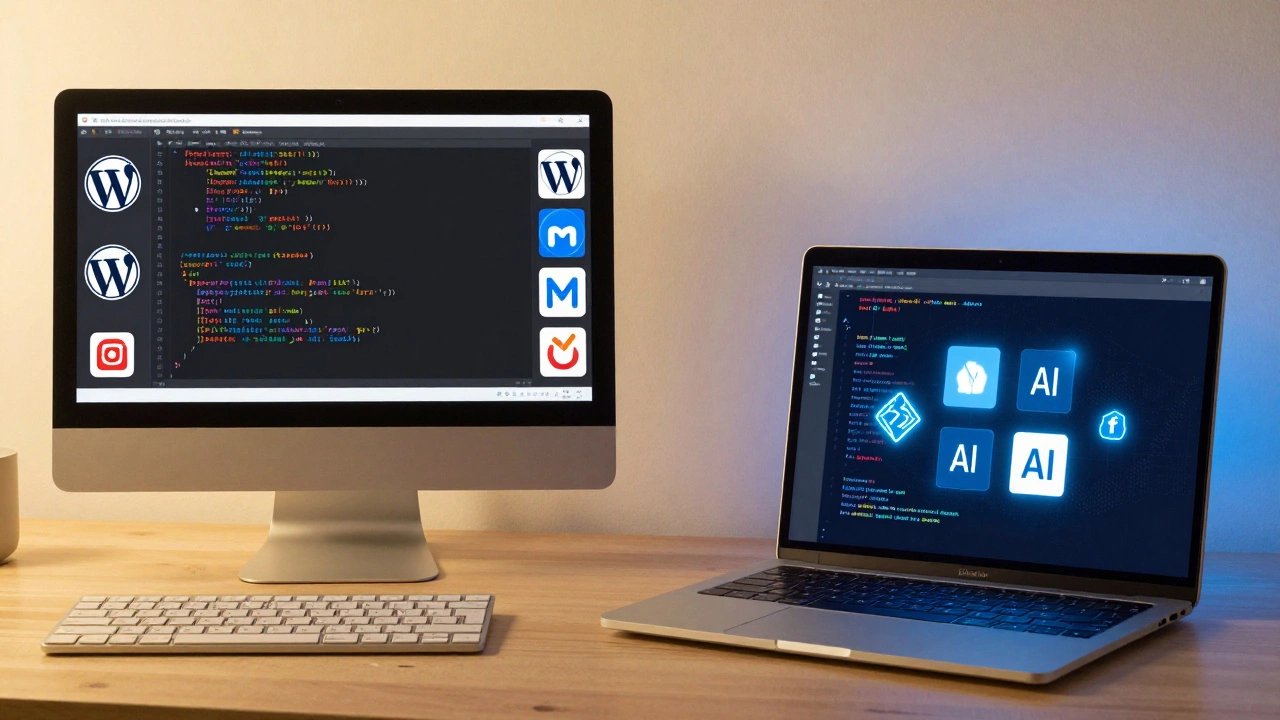
PHP still powers over 77% of websites, but Python is taking over new projects. This is why Python isn't replacing PHP - it's complementing it. Learn where each language shines and what you should learn next.
PHP isn't outdated - it powers 77% of websites in 2026, including WordPress, Etsy, and Wikipedia. Learn why PHP still dominates web development and when it's the best choice.
PHP isn't dying-it's evolving. While JavaScript and no-code tools are taking over new projects, PHP still powers over 75% of websites, especially WordPress and WooCommerce. Here's what's really happening-and what you should do next.
PHP still powers 77% of websites using server-side languages, including WordPress. Learn if it's worth your time in 2024 for freelancing, WordPress, or legacy systems.

PHP has been a staple in web development for decades, yet it feels increasingly outdated in 2025. With new coding languages and frameworks popping up, many developers are looking for alternatives. This article explores why PHP's popularity has declined, its struggles to keep up with modern demands, and what developers might consider when choosing a language for their projects.