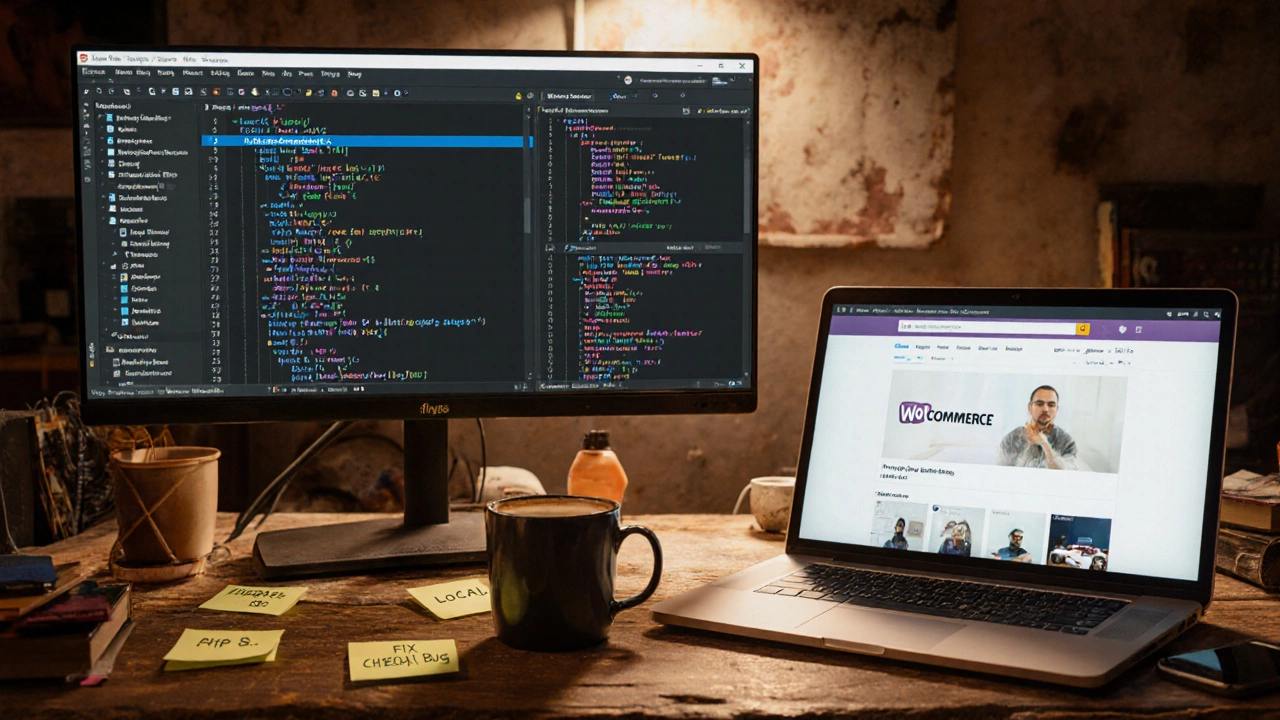
PHP vs JavaScript: Key Differences and When to Use Each
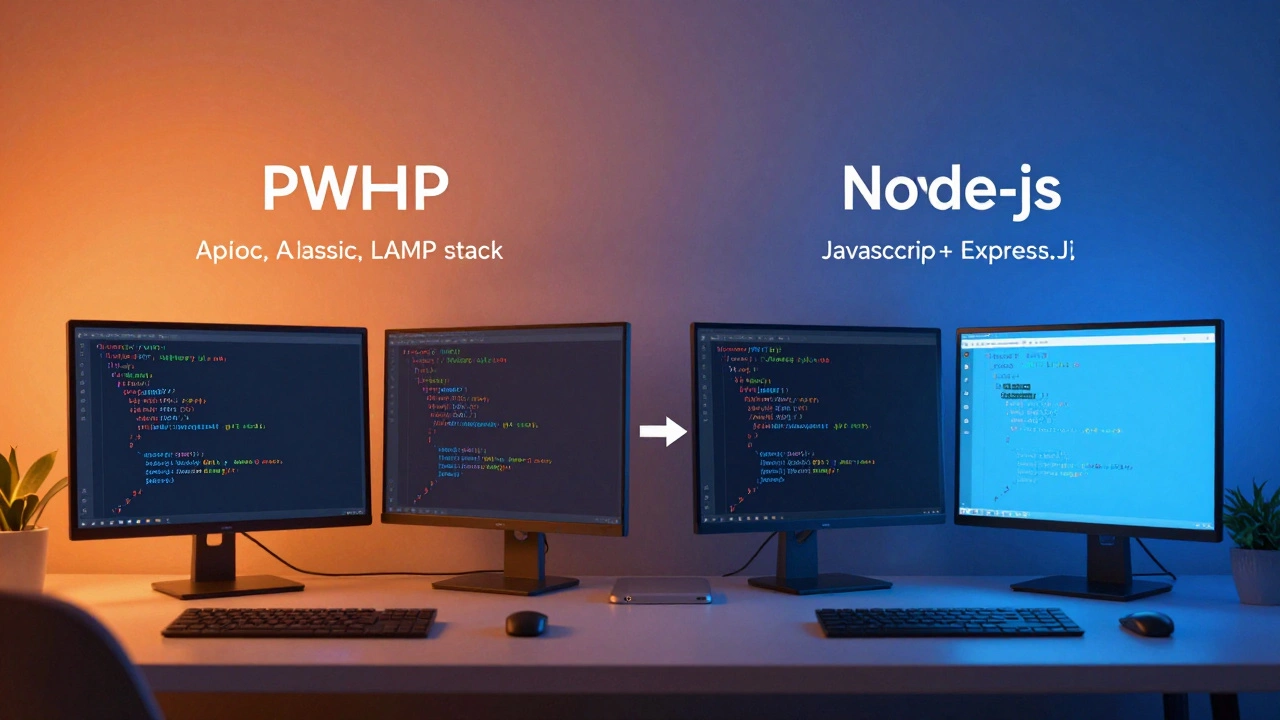
When you’re building a website, you’ll eventually run into PHP, a server-side scripting language designed to handle dynamic content, database interactions, and backend logic. Also known as Hypertext Preprocessor, it runs on the server and sends finished HTML to the browser. Then there’s JavaScript, a client-side scripting language that makes websites interactive by running directly in the user’s browser. Also known as JS, it’s what powers buttons, animations, form validation, and real-time updates without reloading the page. These two aren’t rivals—they’re teammates. PHP handles the heavy lifting behind the scenes: logging users in, saving form data to a database, or generating personalized pages. JavaScript handles what the user sees and feels: hiding menus, loading new content, or updating prices as they change.
Many people think JavaScript is replacing PHP, but that’s not how it works. PHP still runs 77% of all websites with a known server-side language, according to W3Techs, mostly because it’s simple to deploy on shared hosting and integrates cleanly with MySQL. JavaScript, on the other hand, has grown beyond the browser. With Node.js, you can now use JavaScript on the server too—but that doesn’t mean you should use it everywhere. PHP is still the go-to for content-heavy sites like blogs, e-commerce stores, and WordPress setups. JavaScript shines when you need speed and responsiveness: single-page apps, dashboards, or real-time features like chat or live notifications.
There’s also a big difference in how they’re learned. PHP feels more like writing structured logic—you write code, it runs on the server, and you get a page back. JavaScript is more reactive—you write code that waits for user actions, network responses, or timers. You don’t need to know PHP to build a modern website with React or Vue, but if you want to handle user accounts, payments, or data storage, you’ll need something like PHP (or Node.js) on the back end. And if you’re using WordPress, you’re already using PHP under the hood, even if you never touch the code.
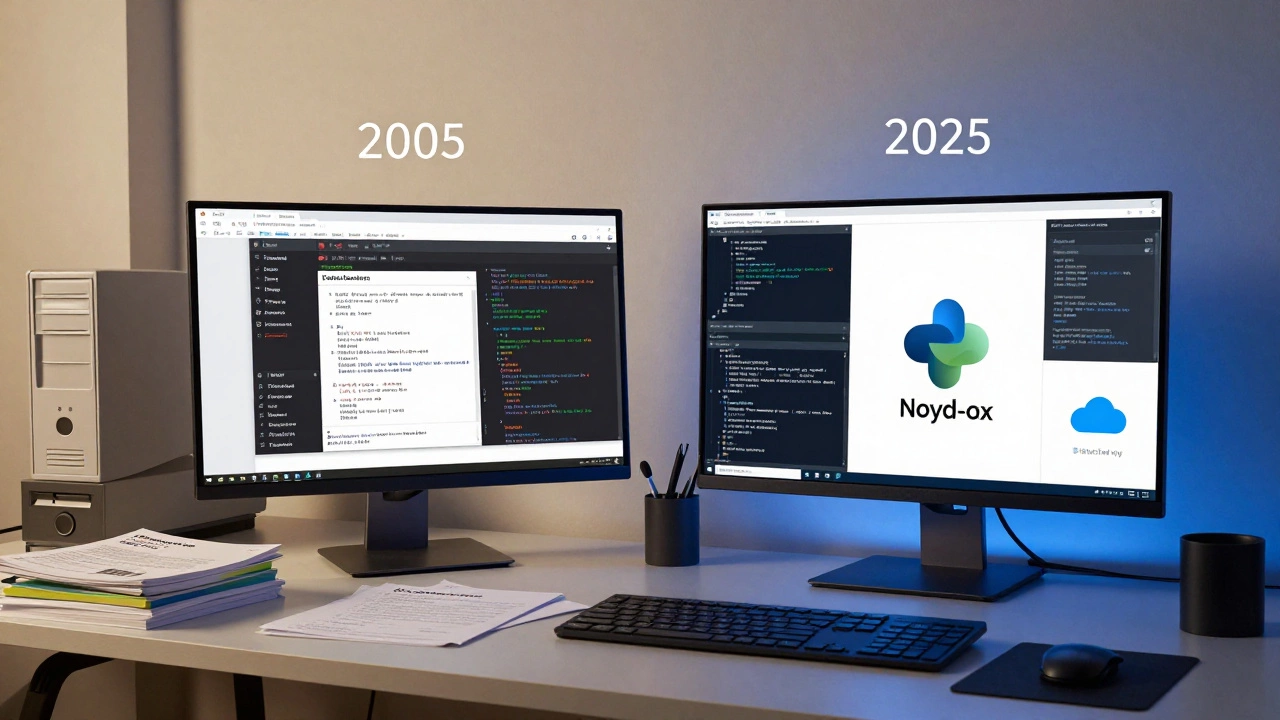
What you’ll find in the posts below are real breakdowns of how these two languages fit into everyday web work. You’ll see why big companies avoid PHP for some projects, why JavaScript doesn’t need advanced math, and how you can learn both without getting lost. Whether you’re starting out or trying to decide what to focus on next, these articles cut through the noise and show you what actually matters in 2025.