Web Development in November 2025: Responsive Design, SEO, and Freelancing Trends
When working with web development, the practice of building and maintaining websites using coding, design, and server tools. Also known as web programming, it’s what powers every site you visit—from small blogs to big e-commerce stores. In November 2025, the focus wasn’t on hype or new frameworks. It was on what actually works: clean code, real performance, and clear answers to questions developers face every day.
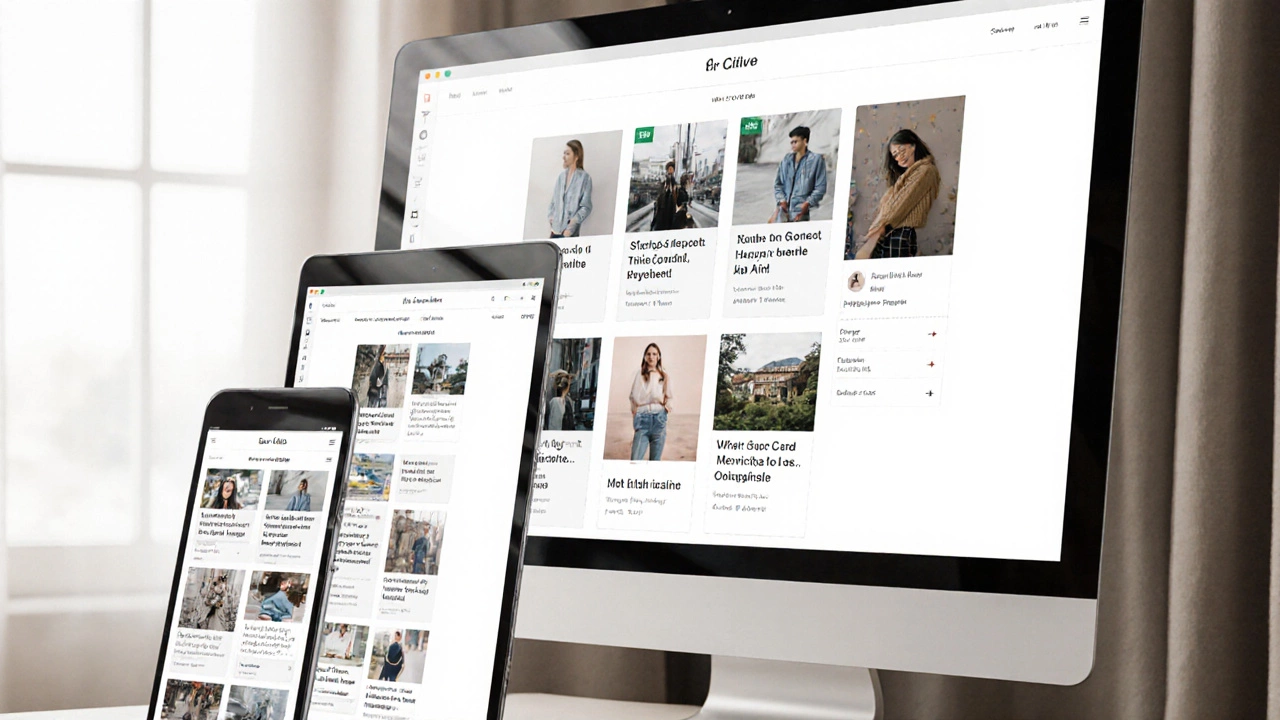
One big theme? responsive design, a method of building websites that adapt smoothly to any screen size, from phones to desktops. Also known as mobile-first design, it’s no longer optional—it’s the baseline. Posts this month showed that you don’t need Bootstrap or plugins. Just solid HTML, CSS, and JavaScript with Flexbox, Grid, and relative units. And no, there’s no one-click fix. But if you know how to use these tools, your site will work everywhere without bloat. Meanwhile, SEO, the process of improving a website to rank higher in search engines. Also known as search engine optimization, it’s still about structure, speed, and clarity—not tricks. Clean URLs, proper heading tags, and semantic HTML matter more than ever. Wix might be easy, but WordPress gives you real control over SEO, and the posts this month proved why. And if you’re thinking about making money from this? freelance web developer, a self-employed professional who builds websites for clients on a project basis. Also known as remote web developer, they’re not just coding—they’re solving business problems. The top earners in 2025 charge $150+/hour because they understand value, not just syntax.
JavaScript came up again and again—not because it’s magic, but because it’s necessary. You don’t need advanced math. You don’t need to learn Python to build front-end sites. And yes, you can learn CSS and JavaScript at the same time. The posts this month cut through the noise: beginners are building real projects, people over 40 are switching careers, and remote work isn’t a dream—it’s the norm. You don’t need a degree. You don’t need to master everything. You just need to start, stay consistent, and focus on what actually moves the needle.
What you’ll find below isn’t a list of random posts. It’s a map of what web developers actually cared about in November 2025: the tools that work, the myths that broke, and the skills that pay. No theory. No fluff. Just what you need to know to build better, rank higher, and work smarter.