E-Commerce Profit & Volume Estimator
Annual Revenue
$0
Total Units/Year
0
Global Sales Volume Comparison
Visualizing the massive scale difference between top retail products and the world's #1 seller (Poultry).
Stop for a second and picture the most popular thing on Earth. You might think of smartphones, cars, or maybe that viral gadget you saw on social media last week. But if we look at raw numbers-the actual count of units sold across every border, currency, and continent-the answer is surprisingly humble. It’s not a high-tech device. It’s not a luxury brand.
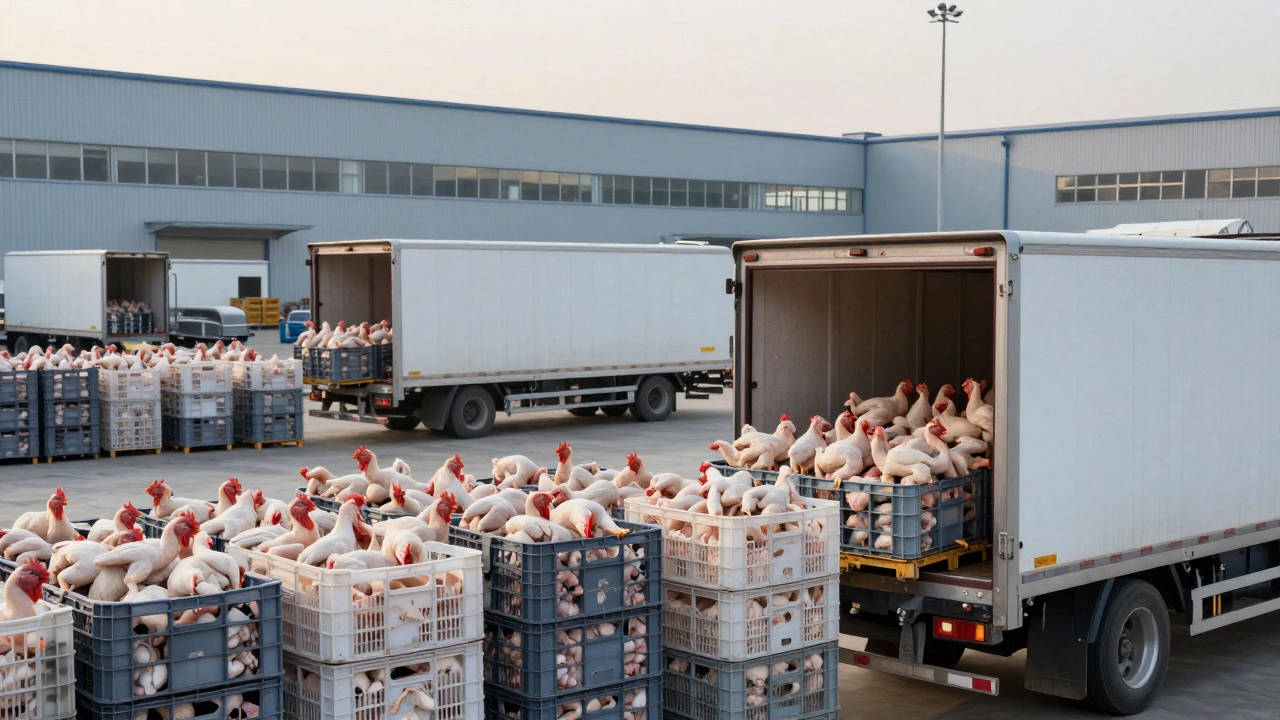
The undisputed #1 best-selling item in the world, by sheer volume of units moved, is the chicken. Specifically, the whole bird or its parts. Every single year, humanity consumes roughly 70 billion chickens. That number dwarfs the sales of iPhones, Toyota Corollas, and even pairs of sneakers combined. While "selling" usually implies a retail transaction, in the context of global commerce and supply chains, the poultry industry moves more individual biological units than any other product category on the planet.
However, if you are an e-commerce manager or a digital marketer looking for the top *retail* product sold online, the answer shifts slightly. We need to separate agricultural commodities from packaged consumer goods. This distinction matters because it changes how you plan your inventory, your marketing strategy, and your logistics.
The Chicken: The Global Sales Champion
Why does chicken hold the title? It comes down to three factors: price, versatility, and speed of production. A chicken reaches market weight in about six weeks. Cows take years. This rapid turnover allows the supply chain to meet the insatiable global demand for affordable protein.
In terms of pure unit sales, no other product competes. Consider this: Apple sells roughly 230 million iPhones annually. That is impressive, but it is a drop in the ocean compared to 70 billion birds. Even if you count every single egg laid (which isn't a "sale" in the same sense), the meat itself drives a multi-trillion-dollar global economy. For e-commerce platforms focusing on grocery delivery or food tech, understanding this volume is critical. These aren't just meals; they are the highest-volume transactional items in human history.
Top Retail Products Sold Online
If we narrow the scope to standard e-commerce-items bought on Amazon, Shopify stores, or local marketplaces-the list looks different. Here, we are talking about manufactured goods with barcodes. Based on recent global e-commerce reports from Statista and similar data aggregators, the categories dominate the charts:
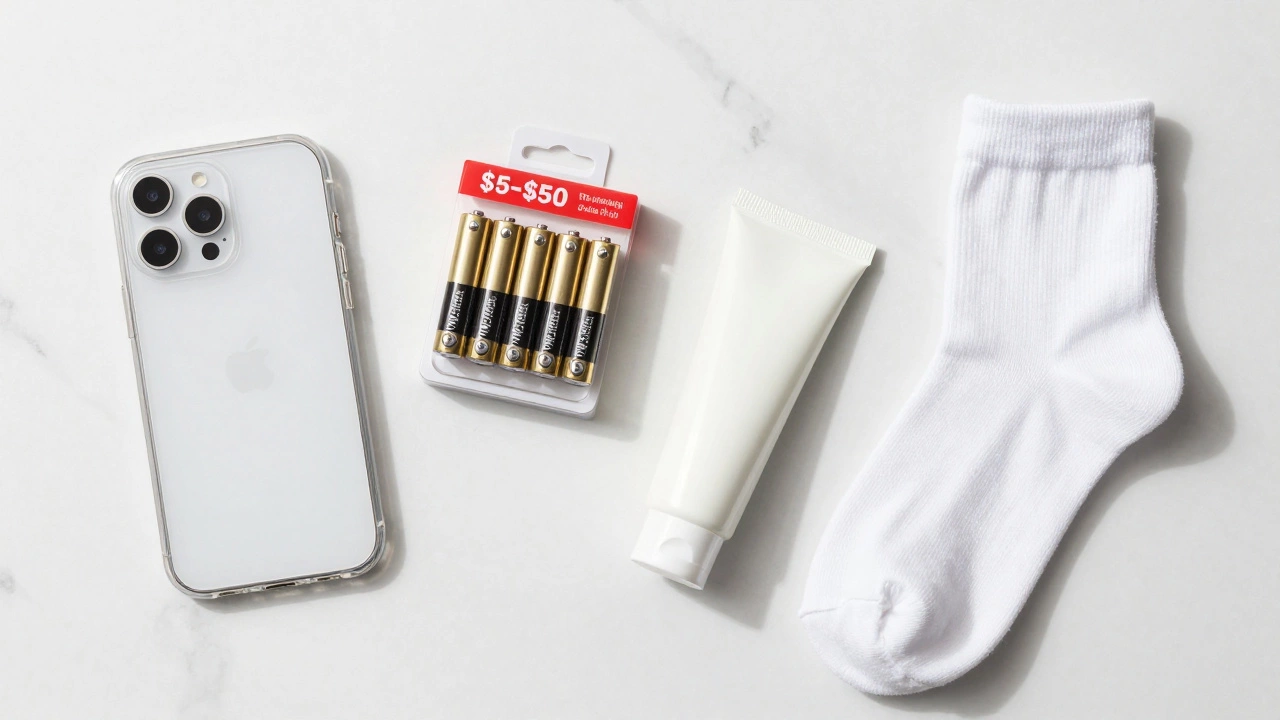
- Electronics & Accessories: Smartphone cases, chargers, and headphones consistently rank at the top. Why? Because they are cheap, replaceable, and essential. Everyone has a phone; everyone loses their charger.
- Beauty & Personal Care: Skincare, makeup, and hygiene products have high repeat purchase rates. Once a customer finds a moisturizer that works, they buy it again every month. This creates massive cumulative sales volumes.
- Fashion Apparel: T-shirts and basic underwear are the staples. Fast fashion brands like Shein and Zara move billions of units annually by keeping prices low and styles current.
- Home Essentials: Cleaning supplies, paper towels, and kitchen gadgets. These are "boring" products, but they sell because they run out. You can’t stop buying toilet paper.
Among these, the single specific SKU (Stock Keeping Unit) that often claims the title of "most sold item" in a given quarter is usually a generic accessory, like a clear iPhone case or a pack of AA batteries. These items have near-zero friction in the buying process. They are impulse buys or necessity replacements.
Why Data on "#1 Sold Items" Is Tricky
You won’t find a single live dashboard showing the world’s #1 sold item in real-time. Why? Because data silos exist. Walmart doesn’t share its internal sales logs with Alibaba. Amazon keeps its Prime member data private. To get a true picture, analysts rely on proxy data:
- Market Share Reports: Companies like Nielsen and IRI track point-of-sale data from thousands of retailers.
- Supply Chain Metrics: Shipping container volumes and freight data give clues about what is moving globally.
- Search Trends: Google Trends and social media engagement indicate what people are interested in, which often precedes sales spikes.
This fragmentation means that while we know chicken is the global winner, the "#1 e-commerce product" title rotates monthly based on seasons, holidays, and viral trends. During Christmas, toys spike. In January, fitness gear takes over. Understanding these cycles is more valuable than knowing a static number.
Implications for E-Commerce Businesses
So, why does this matter to you? If you run an online store, you can’t compete with the chicken industry. But you can learn from the traits that make top sellers successful.
1. Solve a Universal Problem Chicken solves hunger. Phone cases solve protection. The best-selling items address a need that almost everyone has. Niche products build loyal communities, but mass-market items require broad appeal. Ask yourself: Does my product solve a daily problem for millions?
2. Low Friction Pricing The top retail sellers are rarely expensive. They sit in the $5-$50 range. This price point allows for impulse purchases without requiring credit checks or long deliberation. If your product costs $500, you are in a different league-one of high consideration and lower volume.
3. Repeat Purchase Potential Look at beauty and home essentials. They win because customers come back. E-commerce success isn't just about acquiring a new customer; it's about retention. Products that are consumed or worn out quickly create recurring revenue streams.
| Category | Primary Driver | Avg. Price Point | Repeat Rate |
|---|---|---|---|
| Poultry (Chicken) | Necessity/Protein | $2 - $8 per unit | Very High (Weekly) |
| Phone Accessories | Protection/Style | $10 - $40 | Medium (Yearly) |
| Skincare | Self-Care/Routine | $15 - $60 | High (Monthly) |
| Fast Fashion | Trend/Affordability | $5 - $30 | Medium (Seasonal) |

The Role of Digital Marketplaces
Platforms like Amazon, AliExpress, and Temu have democratized access to these top-selling items. They aggregate demand from billions of users and push it to manufacturers. This scale allows them to negotiate prices that small businesses cannot match. However, this also means competition is fierce. Margins on top-selling generic items are razor-thin.
For independent e-commerce owners, the lesson is clear: Don’t try to be the #1 seller of a commodity. Instead, use the popularity of these items as traffic drivers. Bundle a best-selling phone case with a unique screen protector. Offer a subscription for skincare samples. Leverage the momentum of high-demand categories while adding your own unique value proposition.
Future Trends: What Will Sell Next?
As we move through 2026, several shifts are changing the landscape. Sustainability is no longer a buzzword; it’s a purchasing criterion. Consumers are increasingly avoiding single-use plastics and fast fashion with poor labor practices. This could slow the growth of traditional top sellers and boost alternatives like bamboo toothbrushes, reusable bags, and ethically sourced clothing.
Additionally, the rise of AI-driven personalization means that the "next best-selling item" might be different for every person. Algorithms now predict what you want before you do, pushing hyper-relevant products directly to your feed. The era of one-size-fits-all bestsellers is evolving into an era of micro-trends and personalized recommendations.
Is the chicken really the #1 sold item?
Yes, by unit volume. Approximately 70 billion chickens are consumed worldwide each year. No other product, whether electronic, automotive, or apparel, comes close to this number in terms of individual units sold or processed.
What is the best-selling product on Amazon?
Amazon does not release real-time data, but historically, categories like electronics accessories (chargers, cables), books, and household essentials dominate. Specific SKUs change weekly, but generic phone cases and batteries are perennial top sellers due to high demand and low cost.
Why is data on global sales hard to verify?
Sales data is fragmented across private companies, different countries, and various reporting standards. Retailers like Walmart, Amazon, and Alibaba keep their internal metrics confidential. Analysts must rely on estimates, supply chain data, and market research firms to approximate global totals.
How can small e-commerce stores compete with best-sellers?
Small stores should avoid competing on price for commodities. Instead, focus on bundling, niche customization, superior customer service, or sustainable alternatives. Use high-demand categories to drive traffic, but differentiate your offer to maintain healthy margins.
Are smartphones the best-selling item?
No. While smartphones are the best-selling *high-value* electronic device, with around 1.2 to 1.4 billion units sold annually, this number is far lower than the 70 billion chickens consumed yearly. Even when counting all mobile devices (including feature phones), the total remains below the poultry figure.