Small Business Model Matcher
Answer 3 simple questions to discover which business model aligns best with your current situation.
Recommended Path
Niche E-commerce (POD)
Based on your inputs, Print-on-Demand is your best entry point.
Everyone wants the "golden ticket"-that one business idea that prints money while you sleep. But if you look at the data from 2025 and early 2026, the reality is less glamorous and more practical. The most successful small businesses aren't necessarily the ones with the highest revenue; they are the ones with the highest profit margins, lowest overhead, and easiest path to cash flow.
If you are looking to start a venture this year, especially within the realm of e-commerce or digital services, the winners are clear: businesses that solve immediate problems, require minimal inventory risk, and leverage existing platforms rather than building them from scratch.
The Top Contender: Niche Dropshipping & Print-on-Demand
When people ask about the most successful small business to start, they often imagine buying thousands of dollars worth of stock and storing it in their garage. That model is dead for beginners. The current king of low-risk entry is Print-on-Demand (POD) combined with niche dropshipping.
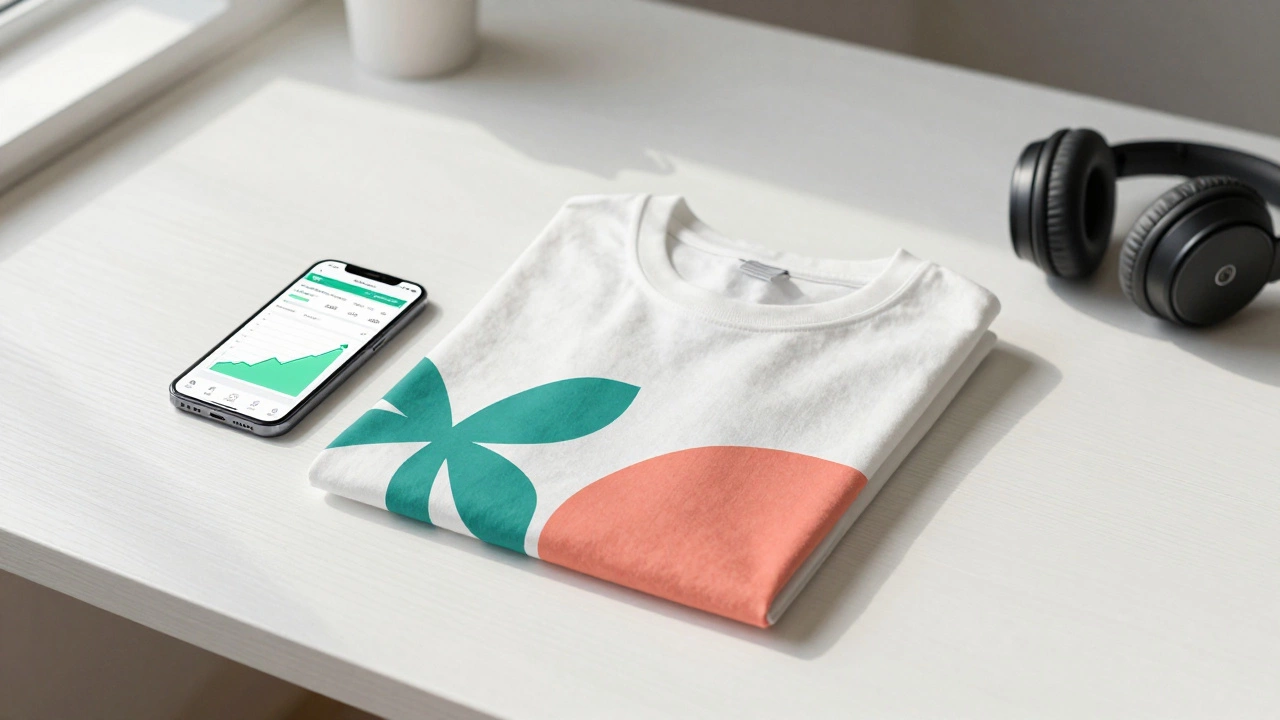
Why does this win? Because your upfront cost is near zero. You don't buy the t-shirt until the customer buys it from you. Platforms like Shopify integrated with suppliers like Printful or Spocket handle the logistics. Your job isn't packing boxes; it's marketing.
However, "selling t-shirts" is not a business plan. It's a commodity. The success comes from the niche. In 2026, generic designs fail. Successful stores target hyper-specific communities. Think "gifts for left-handed guitar players" or "eco-friendly gear for urban beekeepers." The narrower the audience, the easier it is to run targeted ads on Meta or TikTok without burning cash.
- Pros: No inventory risk, scalable, can be run from anywhere.
- Cons: Lower margins per unit, high competition requires strong branding.
- Key Skill: Digital marketing and copywriting.
The High-Ticket Alternative: Specialized Service Agencies
If selling physical goods feels too saturated, look at services. Specifically, specialized agencies that support other businesses. This is arguably the fastest route to $10,000 months because you are trading time for money, but at a premium rate.
Consider starting a SEO agency focused solely on local businesses, or a Web Development firm that only builds Shopify stores for fitness coaches. By niching down, you stop competing with generalists who charge pennies to compete.
In Dublin, where tech talent is abundant, there is still a massive gap in execution. Many small businesses know they need better websites or SEO, but they don't have the time to learn it. You become the bridge. You charge monthly retainers, which creates predictable recurring revenue-the holy grail of small business stability.
| Business Model | Startup Cost | Time to Profit | Scalability | Difficulty |
|---|---|---|---|---|
| Niche E-commerce (POD) | Low ($50-$300) | Fast (1-3 months) | High | Medium |
| Service Agency (SEO/Web) | Very Low ($0-$100) | Immediate | Medium (requires hiring) | Low |
| Digital Products/Courses | Low ($100-$500) | Slow (6+ months) | Very High | High |
| Local Service (Cleaning/etc.) | Medium ($500-$2000) | Fast | Low (labor intensive) | Low |
The Passive Income Dream: Digital Products
Let's address the elephant in the room: everyone wants passive income. While truly passive income is a myth (something always breaks), Digital Products come closest. Once created, they can be sold infinitely without shipping costs or inventory management.
This includes templates, e-books, presets, and online courses. If you have expertise in Excel, Notion, or even meal planning, you can package that knowledge. A well-designed Notion template for project management can sell for $20. Sell 50 copies a month, and that's $1,000 in pure profit with zero marginal cost.
The catch? You need an audience. Building an audience takes time. This is why many successful entrepreneurs combine models: they start a service agency to get cash flow quickly, then build a digital product to scale later. Don't try to launch a course before you have anyone to listen to you.

Why Local Services Still Beat Online Hype
While we focus heavily on digital ventures, let's not ignore the boring stuff. Local Services like mobile car detailing, pressure washing, or senior home care remain incredibly successful. Why? Because AI cannot wash your windows yet.
In cities like Dublin, demand for convenience services is skyrocketing. People are busy and willing to pay for quality. These businesses have high barriers to entry regarding effort (you have to show up), which keeps competition lower than in the online space. If you are willing to trade sweat for equity initially, these businesses offer the highest certainty of return.
How to Choose the Right Path for You
There is no single "best" business. The best business is the one that aligns with your skills, capital, and risk tolerance. Use this simple decision framework:
- Do you have money but no time? Start a service agency and hire freelancers to do the work. You manage clients; they deliver.
- Do you have time but no money? Start a service-based role yourself (freelance writing, coding, design) or launch a POD store with organic social media marketing.
- Are you an expert in something? Create digital products or a niche course. Leverage your authority.
- Do you hate computers? Go local. Cleaning, landscaping, or handyman services are recession-proof.

Avoiding Common Pitfalls in 2026
Starting a business is easy; keeping it alive is hard. Here are the traps that kill new ventures:
- Over-engineering the brand: You don't need a custom logo and a full website on day one. You need a sale. Use a simple landing page or even a social media profile to start.
- Ignoring cash flow: Profit is vanity; cash is sanity. Ensure you have enough runway to cover expenses before revenue arrives. For e-commerce, this means understanding payment processing delays.
- Chasing trends instead of solving problems: NFTs were hot, then cold. AI wrappers are hot now. Focus on enduring human needs: health, wealth, relationships, and convenience.
Next Steps: From Idea to Execution
So, what should you do today? Pick one model from above. Spend one week validating it. Try to make your first sale without spending a dime on ads. If you can convince someone to give you money for your solution, you have a business. If you can't, pivot quickly. Speed is your greatest asset as a small business owner.
Remember, the most successful small business is the one you actually start. Perfection is the enemy of progress. Launch, learn, and iterate.
What is the easiest small business to start with no money?
The easiest business to start with zero capital is a service-based agency, such as freelance writing, virtual assistance, or social media management. Since you are selling your time and skills, you don't need inventory or expensive software to begin. You can find clients through networking, LinkedIn, or local community boards.
Is e-commerce still profitable in 2026?
Yes, e-commerce is highly profitable, but the landscape has changed. Generic dropshipping is harder due to increased ad costs and consumer skepticism. Success now comes from building branded niches, using print-on-demand to reduce risk, and leveraging content marketing (like TikTok or YouTube) to drive organic traffic rather than relying solely on paid ads.
What are the most profitable online businesses?
The most profitable online businesses typically involve high-margin digital products or B2B services. SaaS (Software as a Service) tools, specialized consulting agencies, and high-ticket coaching programs offer the best margins because they have low overhead and recurring revenue models. However, they require significant expertise or development resources.
How much money do I need to start a Shopify store?
You can start a basic Shopify store for under $100. This covers the initial subscription fee (often discounted for the first few months) and a domain name. If you use print-on-demand apps, you don't need extra money for inventory. However, budget an additional $200-$500 for testing ads or creating professional product images to ensure conversion.
What is the difference between dropshipping and print-on-demand?
Dropshipping involves sourcing existing products from a supplier who ships them directly to the customer. Print-on-demand (POD) allows you to create custom designs on products (like t-shirts or mugs) that are only printed and shipped after a customer orders. POD offers higher customization and brand control, while dropshipping offers a wider variety of ready-made products.