
JavaScript vs Java: Which Path is Right for You?
Find Your Coding Match
Answer 4 quick questions to get a personalized recommendation.
Why this fits you:
Your Roadmap:
You’re standing at the starting line of your coding journey. The finish line looks like a job offer or a cool app you built yourself. But there’s a signpost right in front of you that says "Java" on one side and "JavaScript" on the other. It’s confusing because they share a name, but they are as different as a coffee bean and a cup of joe.
If you want to build websites that run in your browser, you pick JavaScript, which is the essential language for making web pages interactive and dynamic. If you want to build large-scale enterprise systems or Android apps, you pick Java, which is a robust, object-oriented language used for backend services and mobile applications. This isn't just a matter of preference; it's about matching your goals with the right tool.
The Name Game: Why They Are Not Siblings
First, let’s clear up the biggest myth. Java and JavaScript have no technical relationship. In the mid-90s, Netscape needed a hype-worthy name for their new scripting language. They borrowed the "Java" buzzword to ride its marketing wave. That was it. Since then, developers have been tripping over this naming coincidence for decades.
Think of them like cars. JavaScript is a nimble sports car designed for quick maneuvers on city streets (web browsers). Java is a heavy-duty truck built for hauling massive loads across long distances (server-side processing). One handles user interactions; the other manages complex data logic behind the scenes.
JavaScript: The King of the Web
When people ask if they should learn JavaScript first, the answer is usually yes-if your goal is web development. JavaScript runs everywhere. It lives in every modern web browser, including Chrome, Firefox, and Safari. Without it, the internet would look like a static newspaper from 1995. No animations, no real-time updates, no interactive maps.
Here is why JavaScript is often the best starting point:
- Immediate Visual Feedback: You write code, save it, refresh your browser, and see the result instantly. This loop keeps motivation high.
- Full Stack Potential: Thanks to Node.js, a runtime environment that allows JavaScript to run outside the browser, you can use JavaScript for both the front end (what users see) and the back end (server logic).
- Job Market Volume: Almost every website needs JavaScript. From small blogs to giant platforms like Netflix and Airbnb, JS is ubiquitous.
However, JavaScript has a quirky personality. It was originally built in ten days by Brendan Eich. Because of this rushed origin, some of its syntax can be weird. For example, `[] + []` equals an empty string, while `{ } + { }` equals `NaN`. These quirks can be frustrating for absolute beginners who expect strict mathematical logic.
Java: The Enterprise Workhorse
Java is older, stricter, and more formal. Created by Sun Microsystems (now owned by Oracle), Java was designed to be "write once, run anywhere." This means you compile your code into bytecode, which runs on the Java Virtual Machine (JVM), a software layer that executes Java programs regardless of the underlying hardware or operating system.
Java is the backbone of big business. Banks, insurance companies, and large e-commerce sites rely on Java for their backend systems. It is also the primary language for developing native Android applications.
Why might you choose Java first?
- Strict Typing: Java forces you to declare variable types explicitly. This catches errors early and teaches you disciplined coding habits.
- Object-Oriented Structure: Java enforces a structured approach to code organization. It’s harder to write messy code in Java than in JavaScript.
- Android Development: If your dream is to build mobile apps for Android, Java (or Kotlin, which runs on the JVM) is essential.
The downside? The setup is heavier. You need to install the JDK, configure paths, and understand compilation steps before you can even print "Hello World" to the console. There is less immediate gratification compared to JavaScript.
Side-by-Side Comparison
| Feature | JavaScript | Java |
|---|---|---|
| Type System | Dynamically typed | Statically typed |
| Execution Environment | Browser / Node.js | JVM (Server / Mobile) |
| Primary Use Case | Web interactivity | Enterprise backend / Android |
| Learning Curve | Gentle start, steep later | Steep start, consistent |
| Compilation | Interpreted | Compiled to bytecode |
Which One Fits Your Learning Style?
Your personality type matters here. Are you someone who wants to tinker, experiment, and see results quickly? Go with JavaScript. It feels like playing with LEGO bricks-you snap things together, and they work. You can build a simple calculator or a todo list in an afternoon.
Are you someone who prefers structure, rules, and deep understanding of how computers work under the hood? Java might be more satisfying. It teaches you memory management, class structures, and design patterns. It’s less forgiving, but it builds a stronger foundation in computer science principles.
Consider this scenario: You want to get a job as fast as possible. Front-end developer roles are plentiful and often require only JavaScript, HTML, and CSS. Backend Java roles exist, but they often demand a degree or more experience because they involve critical financial or infrastructure systems. JavaScript offers a faster path to entry-level employment.
The Modern Reality: You Might Need Both
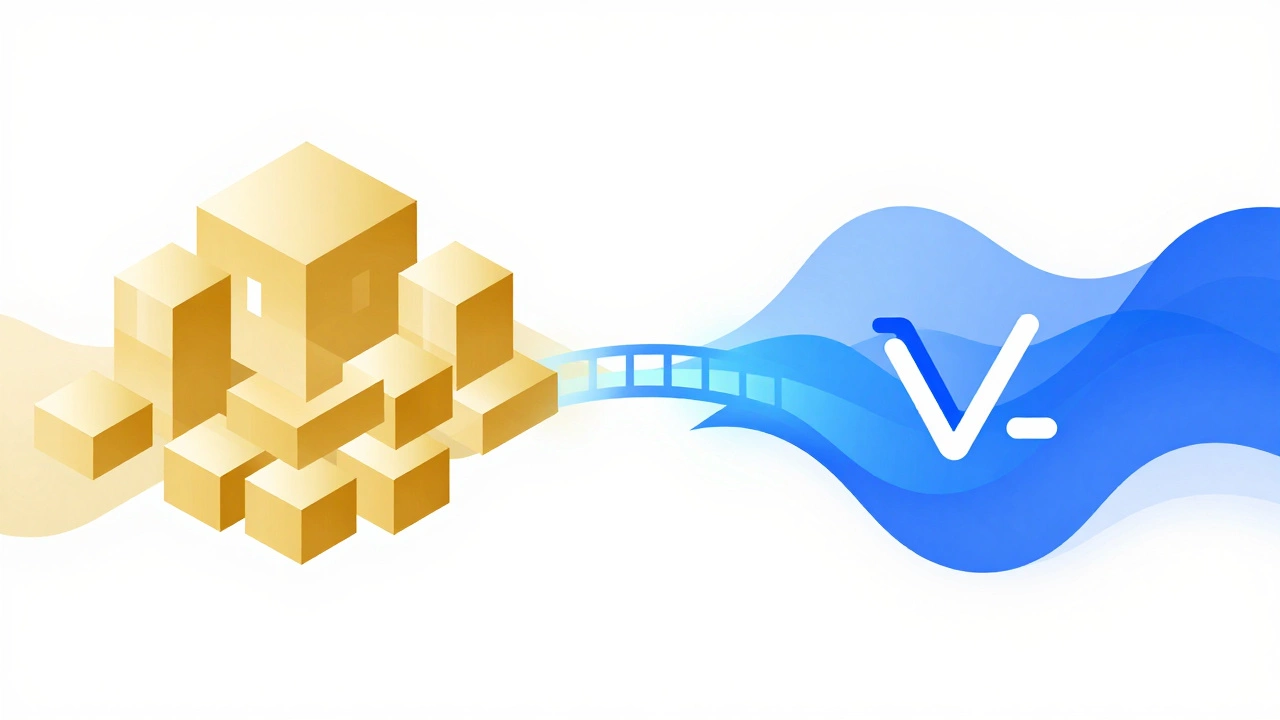
In today’s tech world, the lines are blurring. Many companies use JavaScript for everything. Startups love the MERN stack (MongoDB, Express.js, React, Node.js), where JavaScript dominates every layer. Meanwhile, large corporations still run on Java backends but serve React or Angular interfaces on the front end.
If you start with JavaScript, learning Java later is easier because you already understand variables, loops, and functions. You’ll just need to adapt to the stricter syntax and compilation process. Conversely, if you start with Java, JavaScript might feel chaotic at first because you’re used to rigid rules. But your discipline will help you manage JavaScript’s flexibility better than most beginners.
How to Start Today
Don’t spend weeks deciding. Pick one and stick with it for three months. Here is a quick roadmap for each choice:
If you choose JavaScript:
- Learn basic syntax: variables, functions, arrays, and objects.
- Understand the Document Object Model (DOM) to manipulate web pages.
- Build a simple project: A weather app that fetches data from an API.
- Explore a framework like React or Vue.js once you’re comfortable.
If you choose Java:
- Install the JDK and set up an IDE like IntelliJ IDEA or Eclipse.
- Master core concepts: classes, objects, inheritance, and polymorphism.
- Build a console-based application: A library management system.
- Move to Spring Boot for backend web services.
Remember, the best language is the one you actually practice. Consistency beats perfection. Whether you pick JavaScript or Java, you are building problem-solving skills that transfer to any other language later.
Is JavaScript harder than Java?
JavaScript is generally easier to start with because you don't need to compile code or manage complex setups. However, mastering advanced JavaScript concepts like closures, promises, and asynchronous programming can be very challenging. Java has a steeper initial learning curve due to its strict syntax and object-oriented requirements, but it becomes more predictable as you progress.
Can I learn both JavaScript and Java at the same time?
It is not recommended for beginners. Learning two languages simultaneously can lead to confusion, especially since they handle similar concepts differently (like typing and error handling). Focus on one language until you are comfortable with basic programming logic, then add the second one.
Which language pays more: JavaScript or Java?
Salaries vary by region and experience level. Generally, senior Java developers in enterprise sectors command high salaries due to the complexity of systems they maintain. JavaScript developers, particularly those skilled in modern frameworks like React or Node.js, also earn competitive wages. Entry-level pay is often similar, but JavaScript roles are more abundant.
Do I need to know Java to develop Android apps?
Not necessarily. While Java was the traditional language for Android development, Google now recommends Kotlin, a modern programming language developed by JetBrains that runs on the JVM. Kotlin is interoperable with Java, so knowing Java helps, but you can start directly with Kotlin for new projects.
Is JavaScript only for frontend development?
No. With Node.js, JavaScript can be used for backend server development. Additionally, tools like Electron allow you to build desktop applications, and React Native enables mobile app development using JavaScript. It is a full-stack language.