PHP Future: What’s Next for PHP in 2025 and Beyond
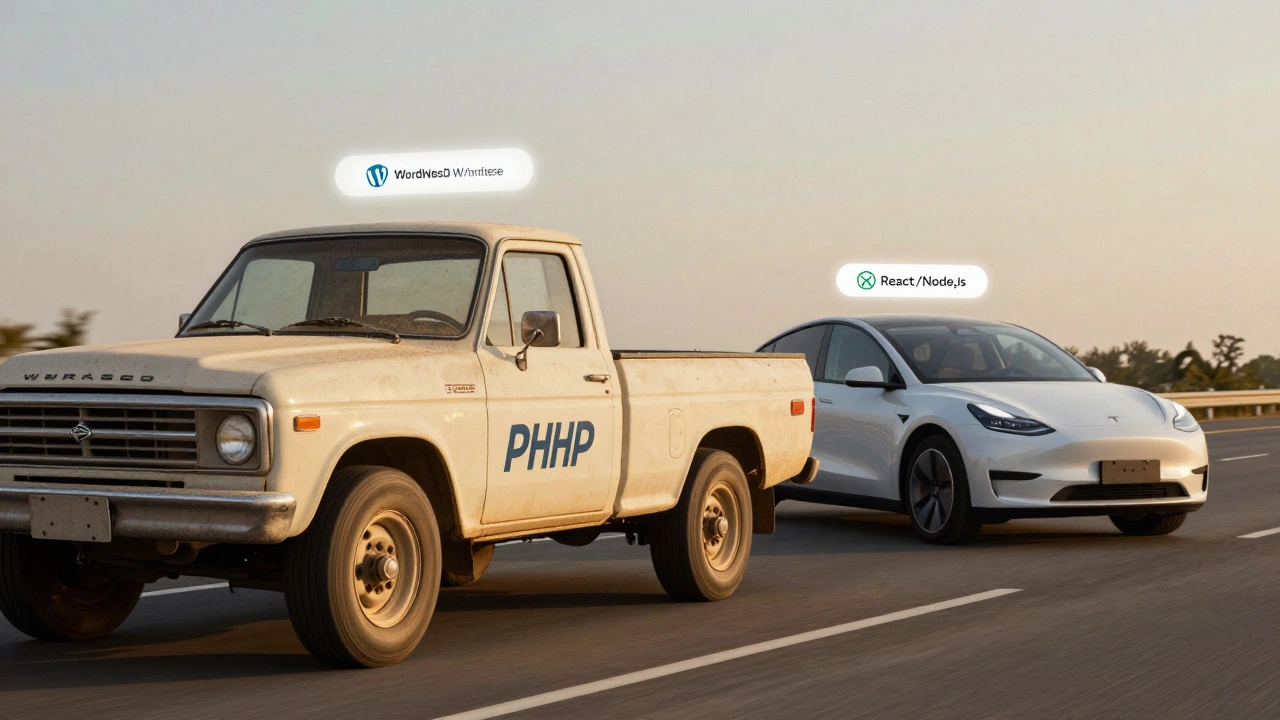
When we talk about the PHP future, a server-side scripting language that powers over 77% of websites today, including WordPress and Etsy. Also known as Hypertext Preprocessor, it’s no longer the clunky tool people remember from the 2000s—it’s fast, secure, and built for modern web demands. The idea that PHP is dead? That’s a myth stuck in 2015. In 2025, PHP isn’t just surviving—it’s thriving, thanks to major upgrades like PHP 8.3 and powerful frameworks like Laravel.
What makes the PHP 8.3, the latest stable version of PHP, released in late 2023, with improved type safety, performance, and error handling so important? It’s the foundation for everything modern. It cuts server response time, reduces bugs, and makes code easier to maintain. Developers aren’t just sticking with PHP because it’s old—they’re choosing it because it’s now one of the most efficient languages for building scalable, secure websites. And when you pair it with Laravel, a modern PHP framework that simplifies complex tasks like authentication, routing, and database management, you get enterprise-grade tools without the bloat. Companies like Etsy and Wikipedia still rely on PHP because it’s reliable, cost-effective, and easy to scale.
The PHP future isn’t about replacing JavaScript or Python—it’s about doing what it does best: powering dynamic server-side logic with speed and simplicity. You don’t need to learn every new framework to stay relevant. Just upgrade your PHP version, understand how modern frameworks work, and focus on clean architecture. Whether you’re maintaining a WordPress site, building a custom API, or working on a legacy system, PHP in 2025 is still the backbone of the web. The posts below show you exactly where PHP stands today—what’s changed, what to avoid, and how to use it wisely. You’ll find real-world examples, version checklists, and clear advice on whether PHP is still worth your time. No hype. Just facts.