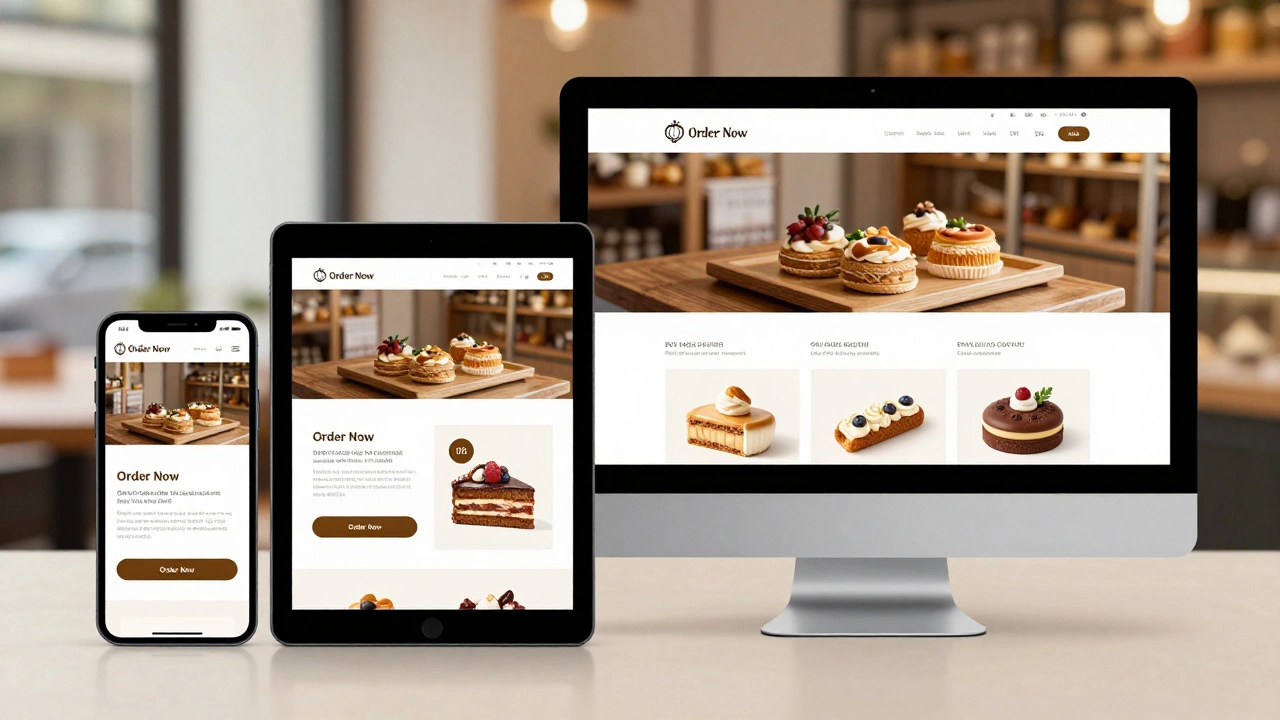
Adaptive Layout: What It Is and Why It Matters for Modern Websites
When you visit a website on your phone, tablet, or desktop and everything fits just right—that’s adaptive layout, a design approach where a website’s structure changes based on the screen size to deliver the best possible experience. Also known as responsive design, it’s not just a trend—it’s the baseline for any site that wants to keep visitors from leaving. You don’t need fancy tools or expensive software to make it happen. Just solid HTML, clean CSS, and a clear understanding of how people actually use the web.
Adaptive layout doesn’t mean guessing or hoping your site looks okay on different screens. It means using real techniques like CSS Flexbox, a layout model that lets elements resize and rearrange dynamically within a container and CSS Grid, a two-dimensional system for arranging content in rows and columns with precision. These aren’t optional extras—they’re the standard. Sites built with them load faster, rank better, and keep users engaged. And unlike old-school methods that relied on fixed widths or plugins, adaptive layout works without slowing things down.
It’s not just about phones and tablets. Adaptive layout affects how search engines see your site, how users interact with buttons, and even how fast your pages load on weak connections. If your site looks broken on a 320-pixel screen, you’re losing customers—even if your desktop version looks perfect. That’s why nearly every post in this collection ties back to this idea: whether it’s about learning HTML and CSS, choosing between Bootstrap and native CSS, or understanding why Wix limits your control, they all point to one truth—adaptive layout is non-negotiable.
What you’ll find here aren’t theory-heavy guides or marketing fluff. These are real, practical breakdowns from developers who’ve fixed broken layouts, rebuilt slow sites, and taught beginners how to make sites that just work. From how to test your layout on actual devices to why media queries still matter in 2025, this collection gives you the tools to build sites that adapt—not just react.