WordPress Income Potential Estimator 2026
Recurring Revenue (Monthly)
$0
The internet is full of people claiming that the era of the WordPress developer is over. They'll tell you that no-code builders and AI-generated sites have wiped out the need for actual coding. But here is the reality: while the WordPress developer salary for basic site setup has plummeted, the demand for high-end, complex engineering on the platform is actually peaking. If you're still trying to make money by installing a theme and adding a few plugins, you're in the wrong decade. However, if you can bridge the gap between a simple blog and a high-performance enterprise application, you're looking at a goldmine.
Key Takeaways for 2026
- Basic site setup is now a commodity; profit lies in custom engineering and performance optimization.
- Headless architecture is the biggest growth area for high-ticket contracts.
- AI is a tool for speed, not a replacement for architectural decision-making.
- Recurring revenue via maintenance and specialized API integrations is more stable than one-off project fees.
The Shift from "Site Builder" to "Engineer"
A few years ago, you could charge a premium just for knowing how to navigate the dashboard. Today, a business owner can use a drag-and-drop builder or an AI prompt to get a landing page live in ten minutes. To make money now, you have to move up the value chain. You aren't selling a website; you're selling a business solution.
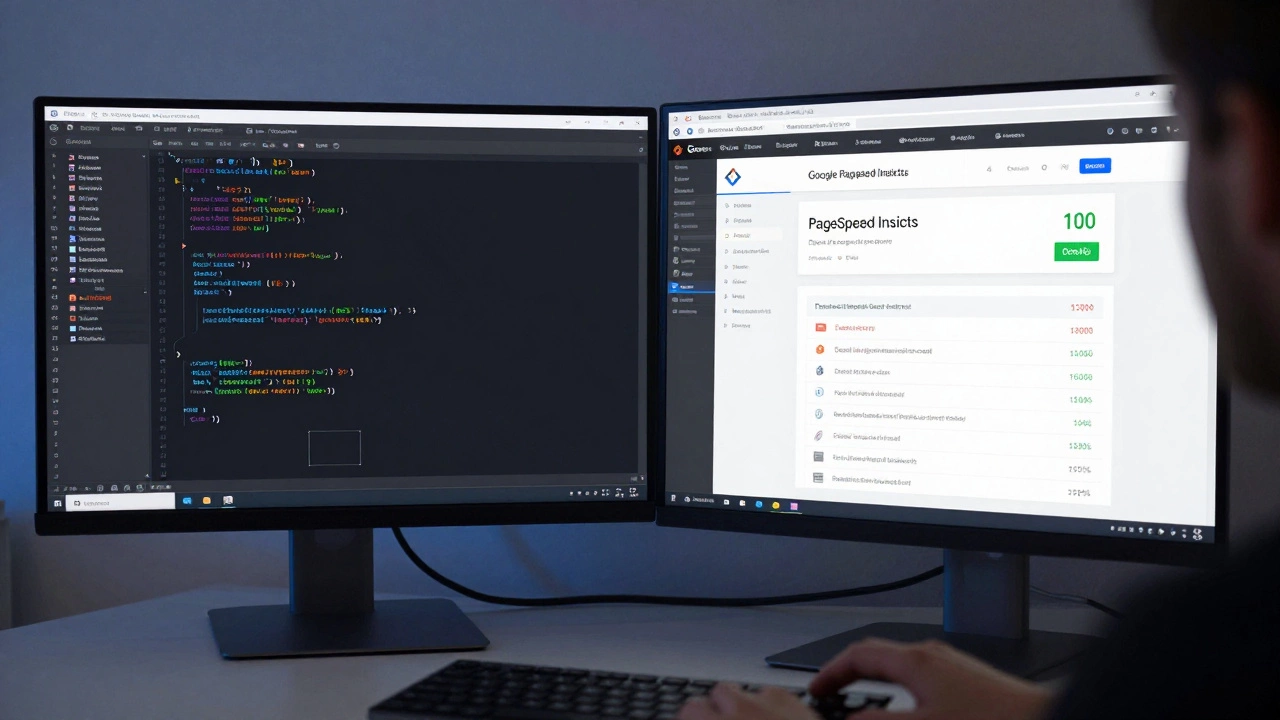
The money has shifted toward Custom Theme Development is the process of building a WordPress theme from scratch using PHP and CSS to meet specific design and performance requirements . Businesses are tired of bloated themes that slow down their load times. When a company loses 7% of its conversions because a page takes three seconds to load, they don't want a "premium theme"-they want a lean, hand-coded solution that scores a 100 on Google PageSpeed Insights.
High-Ticket Opportunities in Headless WordPress
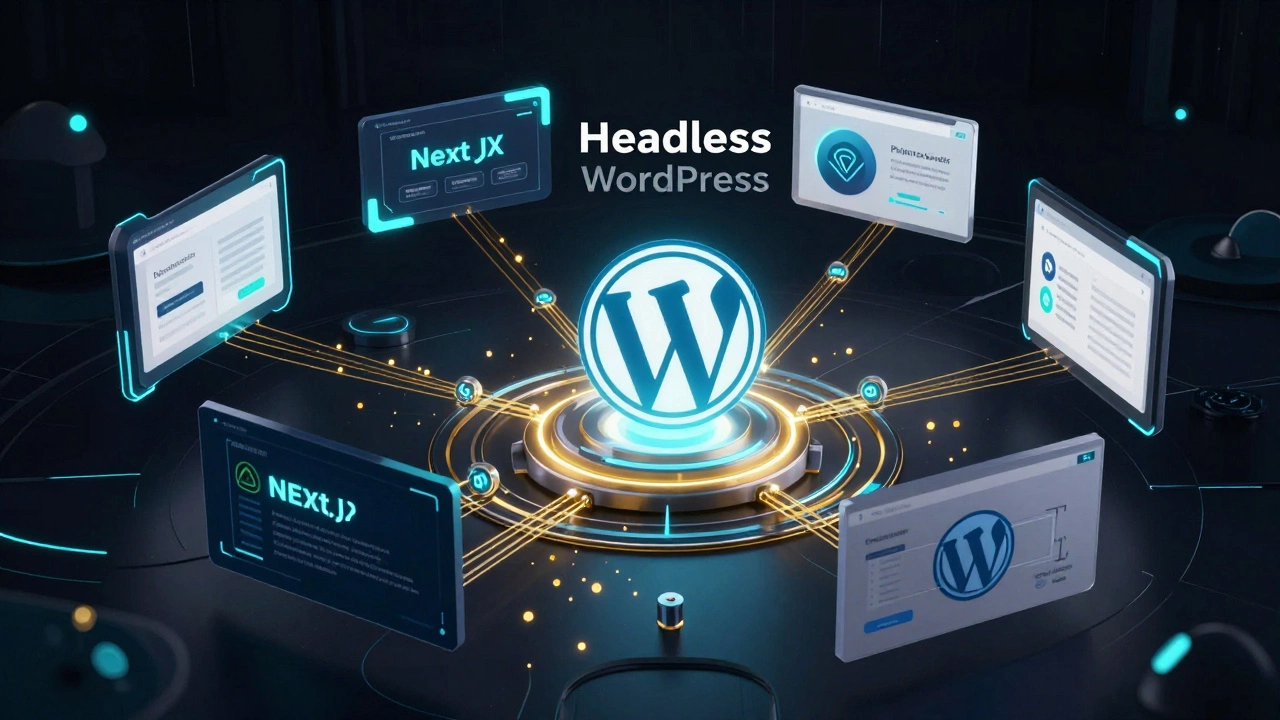
If you want to command the highest rates, you need to look into the decoupling of the backend from the frontend. Headless WordPress is an architecture where WordPress is used solely as a content management system (CMS) via the REST API or GraphQL, while the frontend is built with a modern JavaScript framework . This is where the real money is hiding in 2026.
Imagine a client who needs a lightning-fast storefront but wants their marketing team to keep using the WordPress editor they already know. By using Next.js is a React-based framework that enables server-side rendering and static site generation for high-performance web apps or Vue.js is a progressive JavaScript framework used for building interactive user interfaces on the front end and WordPress on the back end, you're no longer just a "WordPress guy." You're a full-stack engineer. These projects don't cost $2,000; they cost $20,000 to $50,000 because they solve enterprise-level problems.
| Service Level | Typical Tech Stack | Target Client | Income Potential |
|---|---|---|---|
| Basic Setup | Pre-made Themes + Plugins | Small Local Business | Low ($500 - $2k) |
| Custom Development | PHP, Tailwind CSS, ACF | Growing Mid-Sized Agency | Medium ($3k - $10k) |
| Enterprise/Headless | WP GraphQL, React, Next.js | Corporate / SaaS | High ($15k - $60k+) |
Monetizing the "Maintenance Gap"
The biggest mistake developers make is treating every project as a one-off transaction. The smartest developers in the ecosystem treat their client base as a subscription model. Most business owners are terrified of the "White Screen of Death" or a plugin conflict that breaks their checkout page. That fear is your opportunity for recurring revenue.
Instead of a flat fee for a site, offer a tiered maintenance package. This should include Managed Hosting is specialized web hosting designed specifically for WordPress, offering optimized server configurations and automatic updates , daily backups, and security hardening. If you have 20 clients paying $150 a month for peace of mind, you have a $36,000 annual baseline before you even write a single line of new code.
Navigating the AI Influence
You've probably heard that AI can write PHP now. And it can. But AI is terrible at understanding business logic and user experience. An AI can write a function to filter a post type, but it can't tell a client that their entire site architecture is confusing and driving customers away.
The key is to use GitHub Copilot is an AI-powered code completion tool that helps developers write code faster by suggesting snippets and entire functions or similar tools to handle the repetitive boilerplate. If AI helps you finish a project in 10 hours that used to take 40, but you still charge the same value-based price, your hourly rate just quadrupled. Stop billing by the hour and start billing by the outcome.

Specializing in High-Value Ecosystems
Generalists are struggling. Specialists are thriving. If you can position yourself as the "WordPress for E-commerce Expert" or the "LMS Implementation Pro," you can charge a premium. For instance, WooCommerce is an open-source e-commerce plugin for WordPress that allows users to turn a website into a fully functional online store is still the powerhouse of online selling for millions. However, scaling a store to 10,000 products requires deep knowledge of database optimization and caching strategies that a standard developer doesn't possess.
Focus on these high-impact areas:
- API Integrations: Connecting WordPress to CRM tools like Salesforce or HubSpot.
- Performance Auditing: Converting slow sites into high-speed machines using advanced caching and CDN configurations.
- Accessibility (a11y): Ensuring sites meet legal standards (WCAG), which is now a major legal requirement for businesses in the US and EU.
Is learning PHP still worth it for WordPress developers?
Absolutely. While JavaScript is huge for the frontend, the core of WordPress is still built on PHP. To create custom plugins or modify the behavior of the core system, you need a strong grasp of PHP. Without it, you're limited to what other people's plugins allow you to do, which prevents you from charging premium rates for custom solutions.
Can I make money with WordPress if I don't know how to code?
You can make money as a "no-code" designer or a site strategist, but your income ceiling will be significantly lower. You will be competing with millions of others using the same tools. To reach the high-income brackets, you must transition from just using tools to building them.
What is the best way to find high-paying WordPress clients?
Stop looking on low-cost freelance marketplaces. Instead, focus on niche networking. Find a specific industry (like medical practices or law firms) and solve a specific problem they all have (like HIPAA compliance or complex booking systems). Position yourself as an expert in that niche rather than a general web developer.
How does AI affect the demand for WordPress developers?
AI is removing the demand for "low-skill" work-simple site setups and basic CSS tweaks. However, it is increasing the demand for developers who can audit AI-generated code, ensure security, and architect complex systems that AI cannot conceptualize from a business perspective.
Which JavaScript framework should I learn for Headless WordPress?
Next.js is currently the industry leader for this specific use case due to its superior SEO capabilities and server-side rendering. If you want to enter the enterprise market, focusing on the React ecosystem (and specifically Next.js) will give you the most leverage.
Next Steps for Your Career Path
If you're feeling stuck at a certain income level, try this: pick one "power skill" for the next 90 days. Whether it's mastering GraphQL for headless sites or becoming an expert in WooCommerce database optimization, specialization is your only exit from the "race to the bottom" in pricing.
For those just starting, don't just follow a tutorial. Build a real-world project that solves a problem. Create a custom plugin that automates a specific business task and publish it. That portfolio piece is worth more than any certification because it proves you can translate a business need into a technical reality.