20-Page Website Cost Estimator
Estimate your 20-page website cost based on key features and requirements. The cost depends on functionality, design quality, and ongoing needs—not just page count.
Key Features (Add to Base Cost)
Your Estimated Cost
Base cost: €0
Features: €0
Important Note
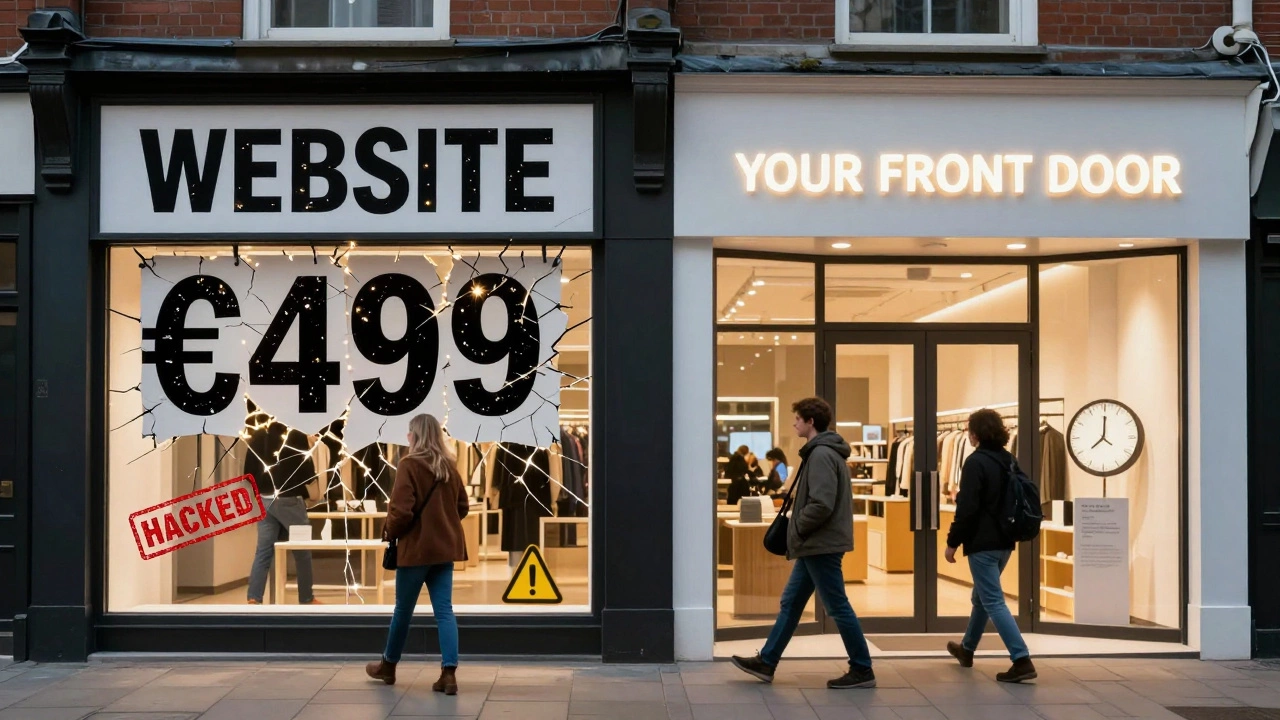
Remember: A €499 site that loads slowly or breaks on mobile can cost you €15,000+ in lost sales. Your site is your digital storefront.
Building a 20-page website isn’t like buying a car off the lot. You can’t just pick a model and walk out with a price tag. The cost swings wildly-from under €500 to over €10,000-depending on what you actually need. Most people think it’s just about pages. It’s not. It’s about functionality, design quality, how it behaves on phones, and what happens after it goes live.
What’s Really in a 20-Page Website?
A 20-page site sounds simple, but pages aren’t all equal. One page might be a static About Us section with text and a photo. Another could be a custom contact form that sends emails, stores submissions in a database, and triggers SMS alerts. That’s not just a page-it’s a mini-application.
Here’s how the pages usually break down in real projects:
- Homepage (the most complex)
- About Us
- Services or Products (could be 3-5 pages with filters or galleries)
- Blog (5-8 posts, but the system needs to handle future posts too)
- Contact (with form, map, and phone integration)
- Privacy Policy and Terms
- FAQ or Help Center
- Portfolio or Case Studies (with lightbox or filtering)
Some of these pages are simple. Others need custom code, integrations, or databases. That’s where the cost jumps.
Cost Breakdown: DIY vs. Freelancer vs. Agency
You have three main paths: build it yourself, hire a freelancer, or go with an agency. Each comes with different price tags and trade-offs.
| Option | Price Range (EUR) | Time to Launch | Best For |
|---|---|---|---|
| DIY (Wix, Squarespace) | €200-€800 | 1-4 weeks | Small businesses needing basic info |
| Freelancer (WordPress, custom HTML) | €1,500-€5,000 | 4-10 weeks | Businesses wanting control and scalability |
| Agency (full-service) | €6,000-€15,000+ | 8-16 weeks | Brands needing design, SEO, and marketing integration |
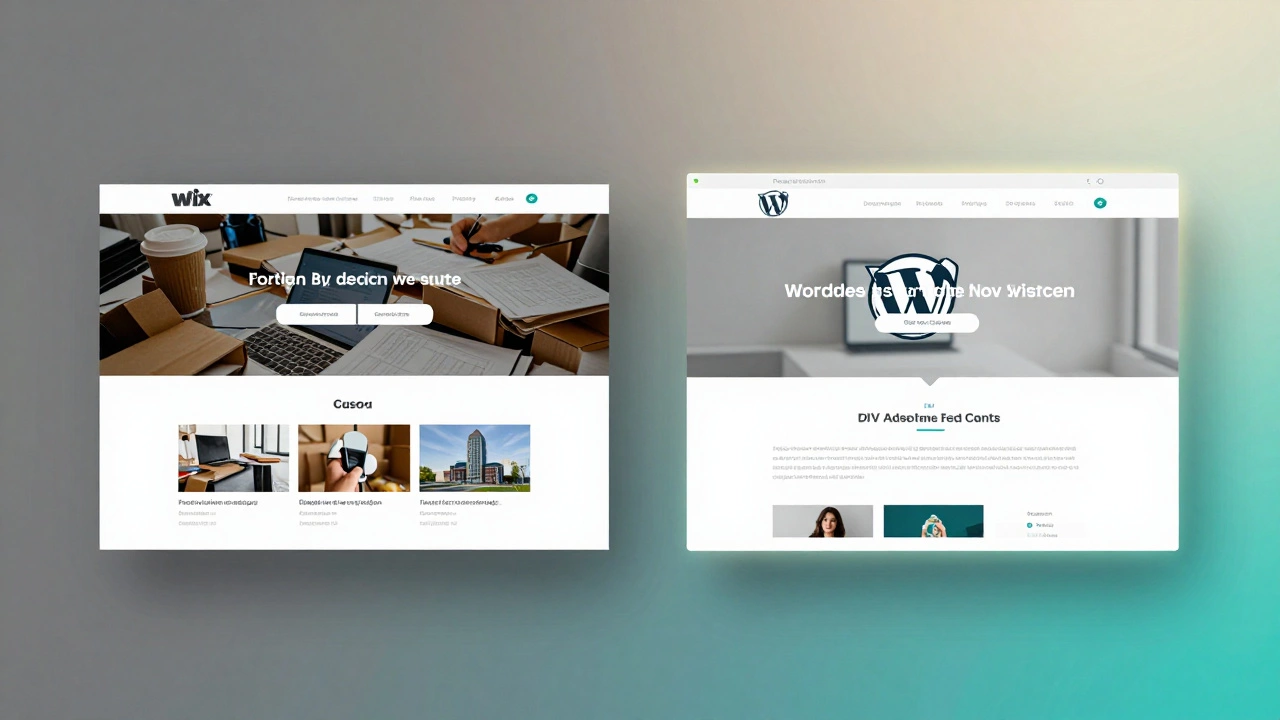
DIY platforms like Wix or Squarespace are tempting. You drag and drop, pick a template, and boom-your site’s up. But you’re locked in. Want to switch hosts? Can’t. Want to add custom features? Not without coding. You’re paying for convenience, not ownership.
Freelancers using WordPress give you real control. You own the files. You can move hosts anytime. You can add plugins or custom code later. A good freelancer will set up clean code, SEO-friendly structure, and fast hosting. That’s where most small businesses get the best value.
Agencies charge more because they bundle design, content writing, SEO, and ongoing support. If you’re launching a new brand and need to rank on Google fast, this might be worth it. But if you just need a digital brochure, you’re overpaying.
What Drives the Cost Up?
It’s not the number of pages. It’s what’s hidden behind them.
- Custom design: If you want something that doesn’t look like every other dentist’s site, expect to pay extra. Generic templates cost little. Unique layouts, animations, and brand-specific styling can add €1,000-€3,000.
- Mobile optimization: Over 60% of web traffic comes from phones. A site that looks good on desktop but breaks on mobile is a liability. Responsive design isn’t optional-it’s baseline. But if you need custom mobile interactions (like swipeable galleries or touch-friendly menus), that adds cost.
- Form integrations: Contact forms are easy. But if you need form data to sync with your CRM (like HubSpot or Zoho), or trigger automated emails, or store submissions securely, that’s developer work. Each integration can add €300-€800.
- SEO setup: A site with clean code and proper headings is a start. But if you want to rank for local keywords like "plumber in Dublin" or "organic skincare Ireland," you need keyword research, metadata setup, schema markup, and possibly blog content. That’s often a separate service, adding €1,000-€2,500.
- Security and speed: A fast, secure site loads in under 2 seconds and protects user data. That means optimized images, caching, SSL certificates, and maybe a Web Application Firewall. A freelancer might include this. A cheap DIY site? Probably not.

Hosting and Ongoing Costs You Can’t Ignore
Many people forget: the website doesn’t die when it goes live. It needs to live somewhere.
Hosting for a 20-page site isn’t expensive. Basic shared hosting starts at €2-€5/month. But if you want speed, reliability, and security, you need better hosting. Managed WordPress hosting from providers like Kinsta or SiteGround runs €15-€40/month. That’s €180-€480 a year.
Then there’s the domain name. Around €10-€15/year. SSL certificate? Usually free with modern hosts. But if you need an EV certificate for trust signals, that’s extra.
And updates. WordPress, plugins, themes-they need regular updates. If you don’t update them, your site gets hacked. Freelancers often offer maintenance packages: €50-€150/month for backups, updates, and security checks. Skip this, and your site could be down or infected in weeks.
What You Get for €2,500 (Realistic Mid-Range Example)
Let’s say you spend €2,500 with a solid freelancer. Here’s what you actually get:
- Custom WordPress theme built from scratch (not a modified template)
- 20 fully designed pages with mobile-first layout
- SEO-ready structure: clean URLs, meta titles, schema markup
- Contact form with spam protection and email notifications
- Image optimization and lazy loading for speed
- Basic Google Analytics and Search Console setup
- 1 month of free support after launch
- Hosting recommendation and setup guide
You own everything. You can switch hosts anytime. You can add new pages later without paying a fortune. That’s real value.
When You Should Avoid Cheap Options
There’s a reason you see websites for €499. They’re built by bots or overseas workers on Fiverr. They use pirated themes. They don’t optimize for speed. They don’t secure forms. They don’t test on real devices.
I’ve seen businesses save €2,000 upfront and lose €15,000 in sales because their site loaded in 8 seconds, looked broken on phones, and got flagged as unsafe by Google. That’s not a bargain. That’s a liability.
If you’re a local business, clinic, or service provider, your website is your front door. Would you open your shop with flickering lights, broken locks, and no sign? No. Don’t launch a website like that either.
How to Get the Best Value
Don’t just ask for a quote. Ask these questions:
- Can I see your recent work on a mobile device? (Test it yourself.)
- Will I own the files and database? (If not, walk away.)
- Do you use clean, standard code? (No bloated plugins or custom frameworks.)
- What’s your process for speed and SEO? (They should mention caching, image compression, and structured data.)
- Do you include training or documentation? (You should know how to update content.)
Get three quotes. Don’t pick the cheapest. Pick the one that explains the most and answers your questions clearly.
What’s Next After Launch?
Your website isn’t done when it goes live. It’s just beginning.
First 30 days: Check Google Search Console for errors. Fix broken links. Make sure forms work. Test on iOS, Android, and different browsers.
Month 2-3: Start adding blog content. Even one post a month helps SEO. Answer common customer questions.
After 6 months: Review analytics. See what pages get traffic. What’s missing? Add a testimonial section. A live chat widget. A booking calendar.
Most businesses see their ROI grow after 6-12 months. The site isn’t a cost-it’s a sales tool. But only if it works well.
Can I build a 20-page website for under €1,000?
Yes, but only if you use a DIY platform like Wix or Squarespace and accept limitations. You won’t own the code, you’ll be stuck with their hosting, and you can’t add advanced features. If you need to grow or rank on Google, this isn’t sustainable long-term.
Why do some developers charge €10,000 for a 20-page site?
They’re not charging for the pages-they’re charging for strategy. That includes brand research, user experience design, SEO planning, content creation, marketing integration, and ongoing support. It’s a full business launch, not just a website.
Do I need a custom website or can I use a template?
Templates work for simple sites with no competition. But if you’re in a crowded market-like legal services, dentists, or fitness trainers-a custom design helps you stand out. Custom sites also load faster, rank better, and convert more visitors.
How long does it take to build a 20-page website?
With a freelancer, expect 4 to 10 weeks. DIY can be done in a week, but you’ll spend hours learning. Agencies take 8 to 16 weeks because they include research, multiple review cycles, and content coordination.
Is WordPress the best choice for a 20-page site?
Yes, for most small to medium businesses. It’s flexible, secure, and easy to update. You own your content. Thousands of plugins handle everything from forms to SEO. It’s the most cost-effective platform for long-term growth.
What’s the biggest mistake people make when building a website?
Thinking the website is finished once it’s live. The real work starts after launch: adding content, fixing bugs, optimizing for mobile, improving speed, and tracking what visitors do. A website without ongoing attention loses value fast.
Final Thought: Your Website Is an Investment
A 20-page website isn’t a one-time expense. It’s a tool that works for you 24/7. A well-built site brings in customers, answers questions before they call, and builds trust while you sleep. Paying more upfront saves you from losing money later.
Don’t build the cheapest site. Build the one that works.