📊 E-Commerce Wealth Comparison Tool (2026)
🏆 The Leader: Amazon
Dominates on all three metrics. Controls the infrastructure of modern commerce with over 200 countries of reach.
- Revenue: $574B+
- Net Income: ~$30B
- Market Cap: ~$1.8T
⚔️ The Challenger: Walmart
Leverages 4,700+ physical stores as fulfillment centers. Strong in grocery delivery and same-day shipping integration.
- Online Rev: $190B
- Net Income: ~$15B (Total)
- Market Cap: ~$500B
🌏 Global Giant: Alibaba
Asia-Pacific titan connecting hundreds of millions of buyers. Influences global supply chains through Taobao and Tmall.
- Commerce Rev: $100B+
- Net Income: ~$10B
- Market Cap: ~$250B
When people ask who owns the most money in online shopping, the answer usually points to one name: Amazon is the world's largest and highest-revenue e-commerce company, generating over $574 billion in annual net sales as of its latest fiscal year reports. While other giants like Walmart are catching up rapidly in physical-to-digital transitions, Amazon still holds the crown for pure online dominance. But "richest" can mean different things. Are we talking about total revenue, profit margins, or market capitalization? Let’s break down the actual numbers behind the top players in the 2026 digital retail landscape.
Defining "Richest": Revenue vs. Profit vs. Value
To understand why Amazon sits at the top, you have to define what "rich" means in a corporate context. Most people confuse these three metrics:
- Revenue (Net Sales): The total amount of money brought in from selling goods and services. This is the gross volume of business.
- Net Income (Profit): What’s left after all expenses, including cost of goods sold, operating expenses, and taxes. This measures operational efficiency.
- Market Capitalization: The total value of a company’s outstanding shares of stock. This reflects investor confidence and future growth potential, not just current cash flow.
Amazon wins on revenue and market cap. However, companies like Apple often out-earn Amazon in pure profit per dollar of sales, though Apple isn't purely an e-commerce player. For strict e-commerce businesses, Amazon’s scale creates a moat that others struggle to cross.
The Current Leader: Amazon’s Dominance
Amazon doesn’t just sell products; it controls the infrastructure of modern commerce. Its wealth comes from two main engines:
- Retail Operations: Selling everything from toothpaste to industrial machinery directly to consumers. In 2025, this segment accounted for roughly 70% of its total revenue.
- Amazon Web Services (AWS): The cloud computing arm generates massive high-margin profits. While not strictly "e-commerce" in the traditional sense, AWS funds the aggressive pricing strategies of the retail side. It contributes about 30% of revenue but nearly 80% of operating income.
This dual-engine model allows Amazon to reinvest billions into logistics, artificial intelligence, and new markets like healthcare and streaming. Its global footprint spans over 200 countries, with local entities ensuring compliance and fast delivery times.
The Challengers: Who Is Closing the Gap?
It’s not just Amazon anymore. Several competitors are reshaping the hierarchy based on specific strengths.
| Company | Annual Revenue (Approx.) | Primary Strength | Global Reach |
|---|---|---|---|
| Amazon | $574B+ | Logistics & Cloud Infrastructure | 200+ Countries |
| Walmart | $190B (Online Segment) | Physical Store Integration | 24 Countries |
| Alibaba Group | $100B+ (Commerce) | Asia-Pacific Market Share | 200+ Countries |
| JD.com | $150B+ | First-Party Logistics in China | Primarily China |
| eBay | $10B+ | Peer-to-Peer Marketplace | 190+ Countries |
Walmart has emerged as the strongest US-based competitor. By leveraging its 4,700+ physical stores as fulfillment centers, Walmart offers same-day delivery without building a separate warehouse network from scratch. This hybrid model reduces last-mile costs significantly.
In Asia, Alibaba Group remains a titan. Through platforms like Taobao and Tmall, it connects hundreds of millions of buyers with sellers. While its revenue fluctuates due to currency changes and regulatory shifts in China, its influence on global supply chains is undeniable.
Why Scale Matters More Than Niche Profits
You might wonder why smaller, highly profitable niche sites don’t make the "richest" list. The answer lies in fixed costs. E-commerce requires massive upfront investment in technology, warehousing, and shipping networks. A boutique store selling handmade candles might have a 40% profit margin, but its total profit is negligible compared to Amazon’s absolute dollar earnings.
Scale allows for economies of scale. When you ship a million packages a day, your cost per package drops dramatically. This is why the top five e-commerce companies control over 40% of global online retail spending. They aren’t just selling products; they are selling speed, convenience, and reliability.
The Role of Technology in Wealth Accumulation
Modern e-commerce wealth is driven by data and automation. Leaders invest heavily in:
- Predictive Analytics: Using AI to forecast demand and stock inventory before customers even search for items.
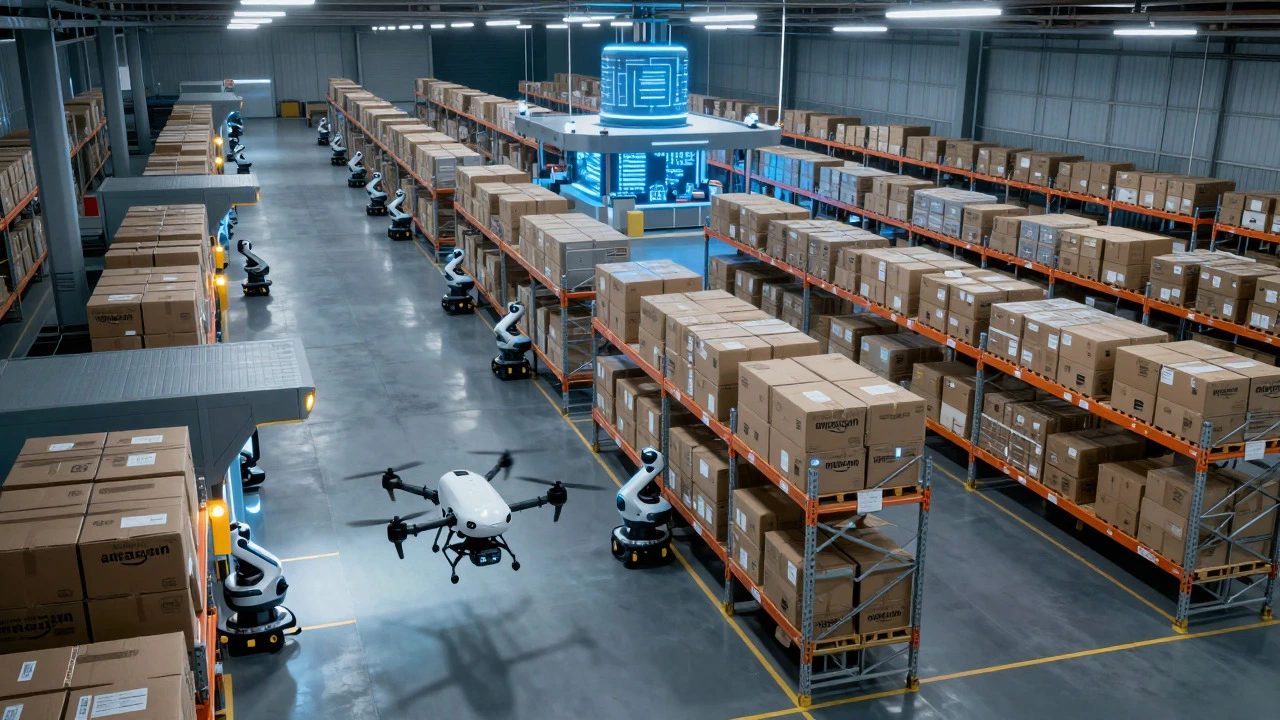
- Automated Warehouses: Robots picking and packing orders reduce labor costs and errors.
- Personalized Recommendations: Algorithms that suggest products increase average order value by 20-30%.
These technologies create a feedback loop. More data leads to better predictions, which leads to lower costs and higher customer satisfaction, which brings more data. New entrants find it incredibly difficult to break this cycle without billions in capital.

Future Trends Shifting the Wealth Hierarchy
By 2026, several trends could alter the rankings. Social commerce, where buying happens directly within social media apps like Instagram or TikTok, is growing fast. Brands that master this channel could bypass traditional marketplaces entirely.
Additionally, sustainability is becoming a financial driver. Consumers are willing to pay premiums for eco-friendly packaging and carbon-neutral shipping. Companies that integrate green logistics early may gain a competitive edge in both brand loyalty and regulatory compliance.
Finally, the rise of private labels. Amazon and Walmart now sell their own brands of groceries, electronics, and apparel. These private labels have higher margins than third-party goods, further boosting profitability for the platform owners.
Frequently Asked Questions
Is Amazon really the richest e-commerce company?
Yes, by revenue and market capitalization. Amazon consistently tops the list with over $500 billion in annual sales. While some companies may have higher profit margins, none match Amazon's total economic output in the e-commerce sector.
How does Walmart compete with Amazon online?
Walmart uses its physical store network as mini-warehouses. This allows for faster delivery times and lower shipping costs. It also integrates grocery delivery, a category where Amazon has historically struggled to maintain consistent quality and speed.
Does Alibaba count as a pure e-commerce business?
Mostly, yes. Alibaba operates primarily as a marketplace connecting buyers and sellers, similar to eBay. However, it also owns significant stakes in logistics and cloud computing, making it a diversified tech giant with e-commerce at its core.
Can small e-commerce businesses ever become the richest?
Unlikely in the near term. The barrier to entry for competing on scale is extremely high due to logistics costs. Small businesses typically succeed by focusing on niche markets, high-margin products, or direct-to-consumer relationships rather than trying to outscale the giants.
What is the difference between revenue and net worth for these companies?
Revenue is the money coming in from sales during a specific period (like a year). Net worth, or market capitalization, is the total value of the company based on its stock price. A company can have high revenue but low net worth if investors are pessimistic about its future growth or debt levels.