Online Selling Model Finder
Answer three quick questions to find the easiest online selling model for your specific situation.
Select your preferences and click the button to see your recommendation.
Recommended Model:
You’ve probably heard that selling online is the golden ticket to financial freedom. You see screenshots of people making thousands while sleeping, and you think, "I can do that." But then you stare at a blank spreadsheet, paralyzed by choice. Should you sell handmade candles? Vintage watches? Or maybe just another pair of wireless earbuds?
Here’s the hard truth: there is no single "easiest" thing to sell for everyone. If it were easy, your neighbor would already be doing it. The real question isn’t what sells best in general-it’s what sells easily *for you*, given your skills, budget, and risk tolerance. Most beginners fail because they pick high-competition items like phone cases or generic t-shirts without checking if they can actually compete.
This guide cuts through the noise. We’re looking at categories where the barrier to entry is low, the logistics are simple, and the profit margins are decent enough to keep you motivated. Whether you have zero inventory budget or some cash to spend, there’s a path here for you.
Digital Products: The Low-Risk Starting Point
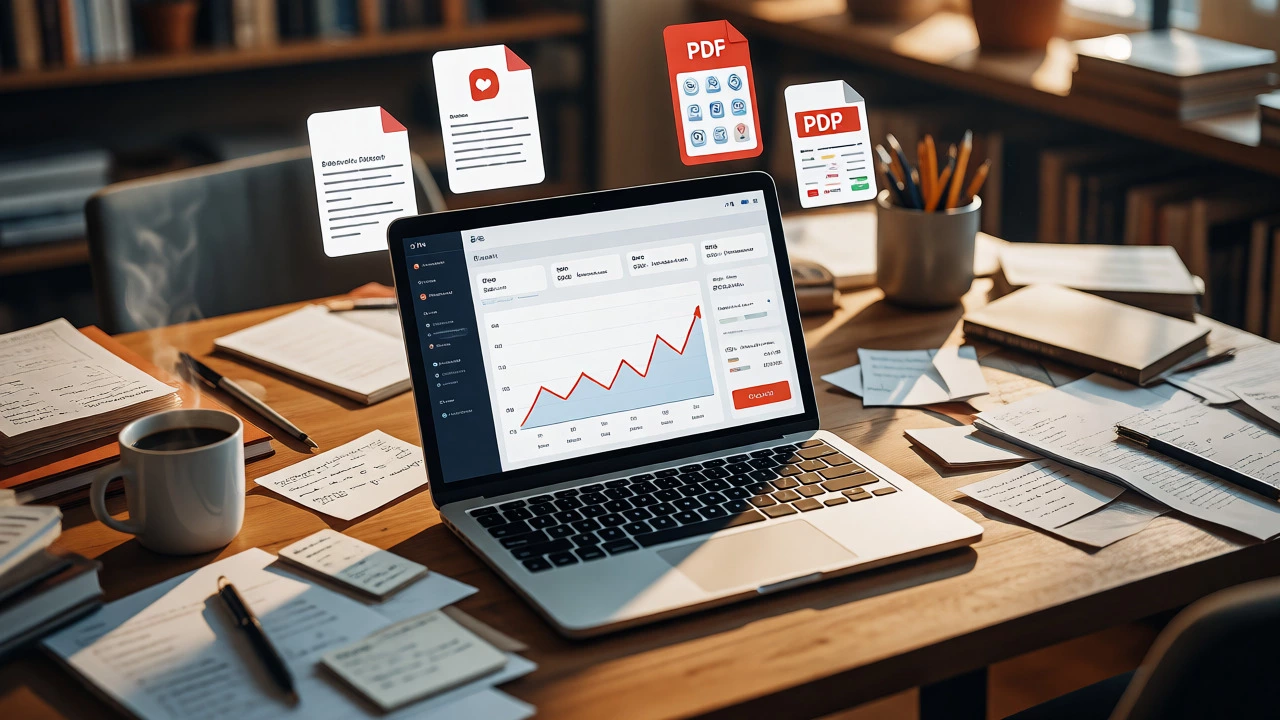
If you want to avoid shipping boxes, dealing with returns, and tying up cash in stock, start with digital products. These are files delivered via email or download link after purchase. Once created, you can sell them infinite times without manufacturing costs.
The easiest digital products to create aren’t necessarily complex software. Think about knowledge or assets you already have. Do you know how to organize a messy Excel sheet? Create a template. Are you good at photo editing? Sell Lightroom presets. This approach removes the biggest headache in e-commerce: fulfillment.
However, don’t underestimate the marketing challenge. Because there’s no physical product, customers need to trust you more. They’re buying a promise. To succeed, focus on solving a specific, painful problem. For example, instead of selling "General Budget Templates," sell "Budget Tracker for Freelancers with Irregular Income." Specificity sells.
- E-books and Guides: Great if you have expertise in a niche hobby or profession.
- Templates: Notion dashboards, resume formats, or social media graphics.
- Stock Assets: Photos, icons, or fonts for designers.
The margin here is nearly 100%. If you sell a $20 PDF, you keep almost all of it after platform fees. No warehouses, no postage stamps.
Print-on-Demand: Selling Without Holding Stock
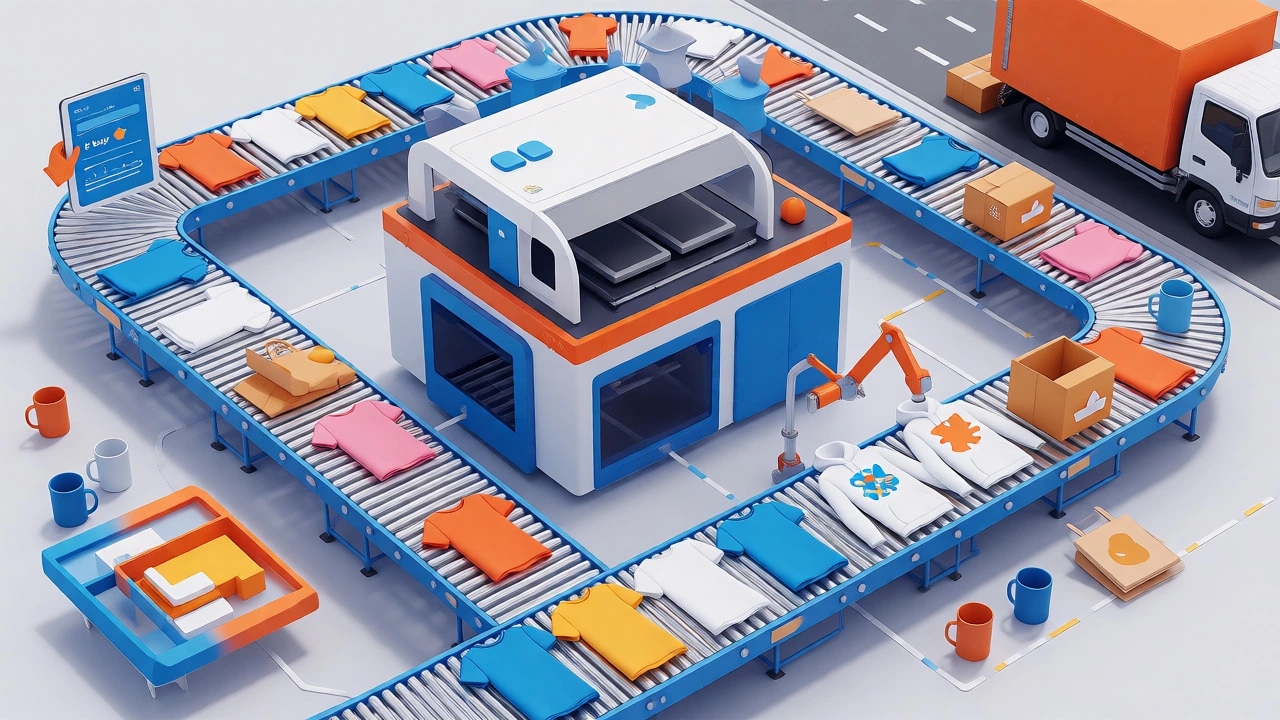
Maybe you’re creative but hate drawing. Or perhaps you love design but don’t want to buy a printer. Enter Print-on-Demand (POD), a business model where a third-party provider prints designs on products only after a customer buys them.
Companies like Printful or Printify handle the printing, packing, and shipping. You upload a design to their mockup generator, connect it to your Shopify or Etsy store, and wait for sales. When someone buys a mug with your cat illustration, the POD company prints it and ships it directly to the buyer. You never touch the mug.
Why is this considered "easy"? Because the inventory risk is zero. You won’t end up with 500 unsold hoodies in your garage. But there’s a catch: margins are thin. Since the provider takes a cut for production and shipping, your profit per item might only be $5-$10. You need volume to make significant money.
To win in POD, you must understand trends. Generic quotes like "Live Laugh Love" are dead. Niche humor works better. Think "Introverted Accountants Who Hate Meetings" shirts. Targeting a micro-audience reduces competition and increases conversion rates.
Dropshipping: The High-Velocity Gamble
Dropshipping often gets a bad reputation because of get-rich-quick gurus, but it remains one of the most accessible models for testing new markets. In dropshipping, you list products from suppliers (often in China) on your website. When a sale happens, you forward the order to the supplier, who ships it to the customer.
The ease comes from not managing inventory. You can test ten different gadgets in a week without spending a dime on stock. If a product flops, you delete the listing. If it flies, you scale ads.
But let’s be real about the downsides. Shipping times can be long (2-4 weeks), which leads to angry customers. Quality control is out of your hands. If the supplier sends a broken item, you deal with the refund. It’s not passive income; it’s active customer service management disguised as a storefront.
Best dropshipping candidates are lightweight, non-fragile, and solve a visible problem. Kitchen gadgets, pet accessories, and home organization tools tend to perform well. Avoid electronics with complex features or clothing with sizing issues unless you have a great return policy.
Handmade Goods: High Effort, High Reward
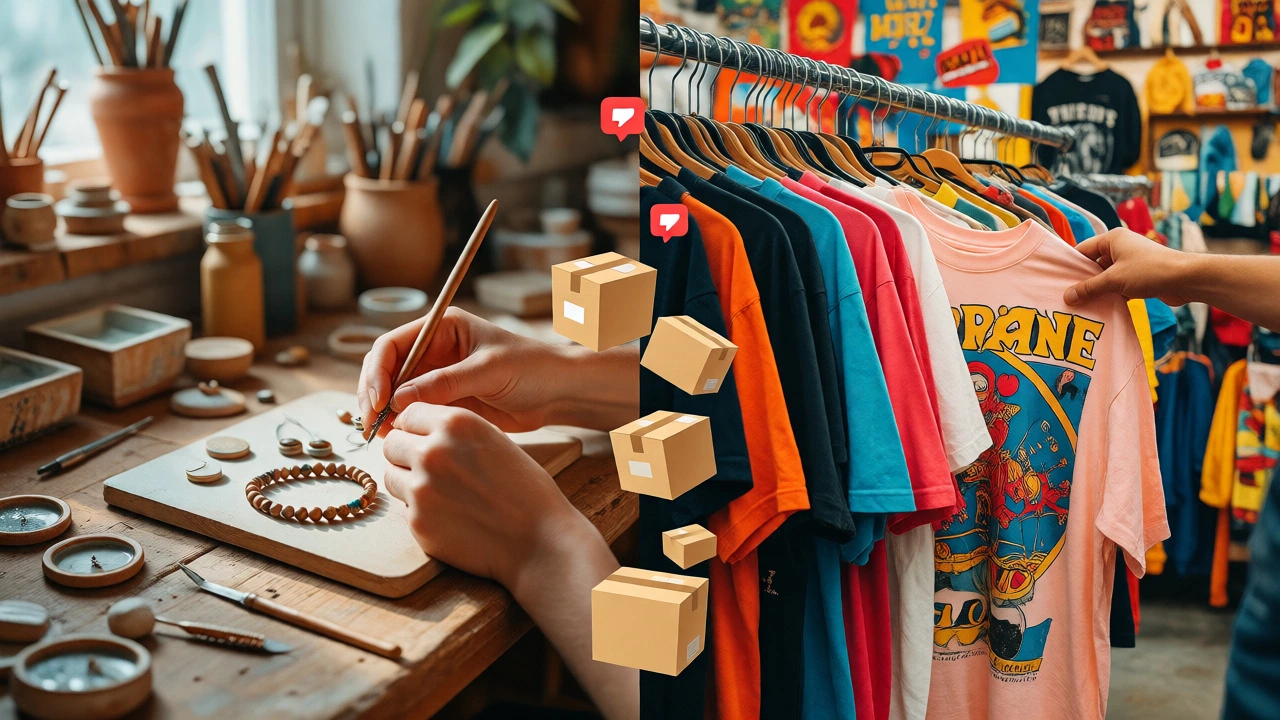
If you enjoy crafting, platforms like Etsy offer a built-in audience looking for unique items. Handmade goods include jewelry, pottery, knitted items, and custom woodwork. Unlike mass-produced items, these command higher prices because of perceived value and uniqueness.
The "ease" here is relative. You don’t need to source products or negotiate with suppliers. You control quality completely. However, scaling is hard. You can only knit so many scarves in a day. Your time becomes the bottleneck.
To make this sustainable, optimize your production process. Batch your work. Make twenty earrings on Monday, photograph them on Tuesday, and list them all at once. Don’t try to fulfill orders one by one as they come in. Also, consider semi-handmade options-buying pre-made components and assembling them yourself-to save time.
Reselling Thrift Finds: The Treasure Hunt Model
Not everyone wants to create or manufacture. Some people are just good at spotting value. Reselling involves buying used items cheaply (from thrift stores, garage sales, or clearance racks) and selling them online at market price.
This is surprisingly lucrative if you specialize. General resellers struggle because they waste time on low-margin items. Successful resellers niche down. Maybe you only flip vintage band tees, mid-century modern lamps, or discontinued LEGO sets. By becoming an expert in one category, you learn what sells fast and what sits forever.
Platforms like eBay, Poshmark, and Mercari are ideal for this. The barrier to entry is just your time and a small budget for initial purchases. You learn photography, copywriting, and negotiation skills quickly. Plus, you’re helping the environment by extending the life of products.
Comparison: Which Model Fits You?
Choosing the right model depends on your resources. Here’s a quick breakdown to help you decide.
| Model | Upfront Cost | Time Investment | Profit Margin | Risk Level |
|---|---|---|---|---|
| Digital Products | Low ($0-$50) | High (Creation phase) | Very High (~90%) | Low |
| Print-on-Demand | Low ($0-$100) | Medium (Design & Marketing) | Low-Medium ($5-$15/item) | Low |
| Dropshipping | Medium ($300+ for ads) | High (Customer Service) | Medium (15-30%) | Medium |
| Handmade | Medium (Materials) | Very High (Production) | High (if priced correctly) | Low |
| Reselling | Variable (Inventory cost) | High (Sourcing & Listing) | Variable (depends on sourcing) | Medium |
Pitfalls to Avoid When Choosing Your Product
Even the easiest model fails if you pick the wrong product. Here are common traps beginners fall into.
Ignoring Competition: Just because a product is popular doesn’t mean you should sell it. Check Amazon Best Sellers or Etsy search results. If the first page is dominated by major brands with thousands of reviews, you’ll struggle to rank. Look for gaps-products with few reviews but high demand.
Underpricing: New sellers often race to the bottom. They price their item at $10 because a competitor does. But they forget to account for shipping, packaging, and platform fees. Always calculate your net profit before setting a price. If you’re making less than $5 profit per unit, you’re working for free.
Skipping Validation: Don’t spend months building a brand before testing the product. Run a small ad campaign or post on social media to gauge interest. If nobody clicks, change the angle or the product. Fail fast, fail cheap.
Next Steps: Launching Your First Sale
You don’t need a perfect website to start. Use existing platforms to minimize setup time.
- Pick One Niche: Don’t open a general store. Choose a specific audience (e.g., yoga enthusiasts, remote workers, dog owners).
- Validate Demand: Search for keywords related to your product. Are people searching for it? Use free tools like Google Trends or keyword planners.
- Create a Simple Offer: Take clear photos. Write benefits, not just features. Instead of "100% cotton shirt," say "Soft, breathable fabric that keeps you cool during workouts."
- List and Promote: Post on relevant Reddit communities, Facebook groups, or Instagram. Ask friends for feedback, not just praise.
- Analyze and Iterate: Track what works. Double down on winning products and kill losing ones quickly.
Selling online isn’t magic. It’s a series of small experiments. The easiest thing to sell is something you understand, that solves a problem, and that you can deliver reliably. Start small, stay consistent, and adjust based on real customer feedback rather than assumptions.
Is dropshipping still profitable in 2026?
Yes, but the era of lazy dropshipping is over. Profitability now depends on branding, fast shipping (using local suppliers when possible), and excellent customer service. You cannot compete on price alone against Amazon; you must compete on experience and niche targeting.
Do I need a website to sell digital products?
No. Platforms like Gumroad, Payhip, or Etsy allow you to sell digital downloads without coding or hosting a website. You can start selling in minutes. A personal website helps with branding later, but it’s not required for launch.
How much money do I need to start selling online?
You can start with under $100 for digital products or print-on-demand. Dropshipping requires more for advertising ($300-$500 recommended). Handmade and reselling depend on material costs and initial inventory purchases, typically ranging from $50 to $200 to get started effectively.
What is the most saturated niche right now?
Generic fashion (t-shirts, leggings), basic phone accessories, and home decor items like succulents are highly saturated. To succeed in these, you need a strong brand story or unique design. Niches like specialized pet gear, eco-friendly office supplies, or hobby-specific tools often have less competition.
Can I sell online without showing my face?
Absolutely. Many successful stores use product-only photography, user-generated content, or animated explainer videos. Digital marketers often run anonymous brands. While showing your face builds trust faster, it’s not mandatory for success, especially in B2B or utility-focused niches.