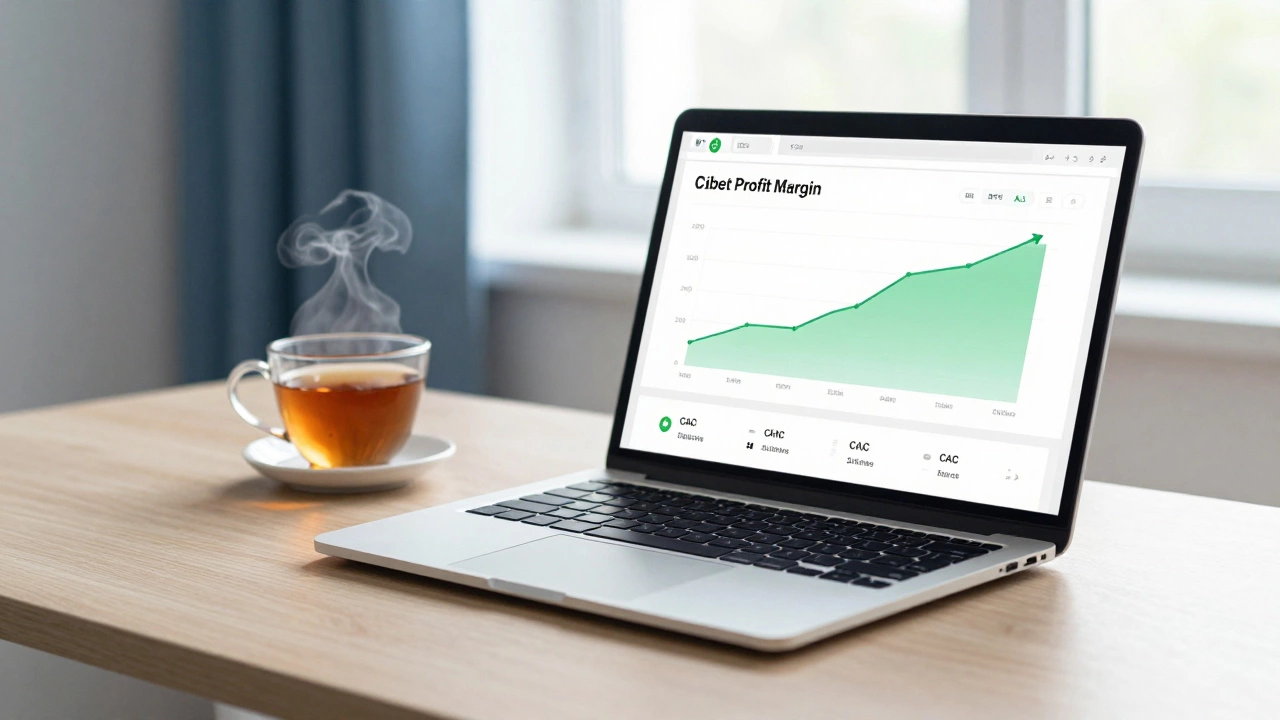
E-commerce Profitability Calculator
Financial Projections
Let’s cut through the noise. Can you actually make a living off an online store in 2026? The short answer is yes. But the long answer requires you to stop looking at influencer screenshots of $10,000 days and start looking at P&L statements. E-commerce is a retail methodology where transactions occur electronically over the internet. It is no longer a "get rich quick" scheme; it is a legitimate, scalable business model that demands operational discipline.
For every viral success story on social media, there are thousands of stores that failed because they treated marketing spend like profit. If you want to replace your salary with online sales, you need to understand the difference between revenue and net income. This guide breaks down the real numbers, the viable models, and the specific steps you need to take to build a sustainable income stream.
The Reality Check: Revenue vs. Profit
Most beginners get hooked by gross revenue figures. They see a store making $50,000 a month and think they’ve hit the jackpot. Here is the hard truth: in e-commerce, revenue is vanity, but profit is sanity. Your actual take-home pay depends entirely on your Net Profit Margin is the percentage of revenue left after all expenses, including cost of goods sold, operating expenses, and taxes.
A healthy e-commerce business typically operates on a net margin of 10% to 20%. If you aim to make a modest $4,000 per month (about $48,000 annually), you need to generate $20,000 to $40,000 in monthly revenue, depending on your efficiency. If your margins slip to 5%, you suddenly need $80,000 in revenue to hit that same paycheck. That is why understanding your unit economics is the first step to financial freedom.
- Cost of Goods Sold (COGS): The direct cost to produce or purchase the item.
- Customer Acquisition Cost (CAC): How much you spend on ads to get one new buyer.
- Fulfillment & Shipping: Packaging materials, labor, and carrier fees.
- Platform Fees: Transaction fees from payment processors like Stripe or PayPal.
If you do not track these four metrics daily, you are flying blind. Many owners burn cash for months before realizing their CAC is higher than their average order value. Fix this math before you scale.
Choosing Your Business Model
Not all online stores are created equal. The model you choose dictates your risk level, upfront capital, and potential income ceiling. In 2026, three models dominate the landscape for solo entrepreneurs or small teams.
| Model | Upfront Cost | Profit Margins | Control Level |
|---|---|---|---|
| Dropshipping is a fulfillment method where a store doesn't keep products in stock but transfers orders to a third party who ships them directly to the customer. | Low ($500 - $2,000) | Low (5% - 15%) | Low (Supplier dependent) |
| Private Label is creating your own brand by sourcing generic products and adding your unique branding and packaging. | Medium ($3,000 - $10,000) | Medium (20% - 40%) | High (Brand owner) |
| Print on Demand is a service where custom designs are printed on products only after a customer places an order. | Very Low ($100 - $500) | Low-Medium (10% - 20%) | Medium (Design dependent) |
| Digital Products are intangible goods like courses, ebooks, or software that have zero shipping costs. | Variable (Time intensive) | High (70% - 90%) | Full (Creator controlled) |
Dropshipping is often recommended for beginners because it requires minimal capital. However, it is a race to the bottom on price. You have no control over shipping times or product quality, which leads to high refund rates and poor customer retention. It is great for learning marketing, but difficult to build a long-term asset.
Private Labeling is where most serious entrepreneurs end up. By buying in bulk and creating a brand, you control the customer experience. You can increase prices based on perceived value rather than competing solely on cost. This model builds equity. If you sell the business later, a private label brand is worth significantly more than a dropshipping store.
Digital Products offer the highest margins because there is no inventory or shipping. If you have expertise in a niche-like coding, fitness, or cooking-you can package that knowledge. The challenge is that digital markets are saturated, so your marketing and authority building must be exceptional.

Building the Foundation: Platform and Tech Stack
Your technology stack needs to support growth without breaking the bank. In 2026, Shopify is a leading cloud-based e-commerce platform that allows anyone to set up an online store and sell their products. remains the gold standard for most merchants due to its ecosystem of apps and ease of use. Alternatives like WooCommerce is an open-source plugin for WordPress that transforms a website into a full-featured online store. offer more flexibility for developers but require more technical maintenance.
Do not overcomplicate your setup. A clean, fast-loading site is better than a feature-heavy one that crashes during traffic spikes. Focus on these core components:
- Hosting: Ensure your site loads in under 2 seconds. Slow sites kill conversion rates.
- Payment Gateway: Use established providers like Stripe or PayPal to build trust.
- Email Marketing Integration: Connect tools like Klaviyo from day one. Email has the highest ROI of any channel.
- Analytics: Install Google Analytics 4 and Facebook Pixel to track user behavior.
Invest in professional photography. Product images are the only touchpoint customers have with your physical goods. Poor photos signal low quality, regardless of how good the product actually is.
Marketing: Driving Traffic Consistently
You can have the best store in the world, but if no one sees it, you make zero dollars. Traffic generation is the hardest part of e-commerce. Relying on a single channel is dangerous. Diversification is key.
Paid Advertising on platforms like Meta (Facebook/Instagram) and TikTok provides immediate results but burns cash quickly if your creatives aren’t optimized. In 2026, short-form video content is non-negotiable. Static images rarely convert as well as authentic, user-generated style videos.
Search Engine Optimization (SEO) is a long-game strategy. By optimizing product descriptions and blog content for relevant keywords, you attract buyers who are actively searching for solutions. This traffic is free and highly intent-driven. It takes 6-12 months to see significant results, but it compounds over time.
Social Proof accelerates trust. Encourage reviews, showcase user-generated content, and leverage influencers. Micro-influencers (10k-50k followers) often deliver better engagement rates than mega-celebrities because their audiences trust their recommendations more.
Scaling to a Full-Time Income
Making a living means consistency, not just occasional spikes. To stabilize your income, focus on increasing Customer Lifetime Value (LTV). It is cheaper to retain an existing customer than to acquire a new one.
Implement post-purchase email flows that recommend complementary products. Offer subscription options for consumable goods. Build a community around your brand. When customers feel connected to your mission, they become loyal advocates who buy repeatedly and refer friends.
Reinvest profits wisely. Do not splurge on luxury items until your business runs smoothly for six consecutive months. Reinvest in inventory, better packaging, and automated tools that save you time. Automation frees you up to focus on strategy rather than manual tasks.
Risks and Mitigation Strategies
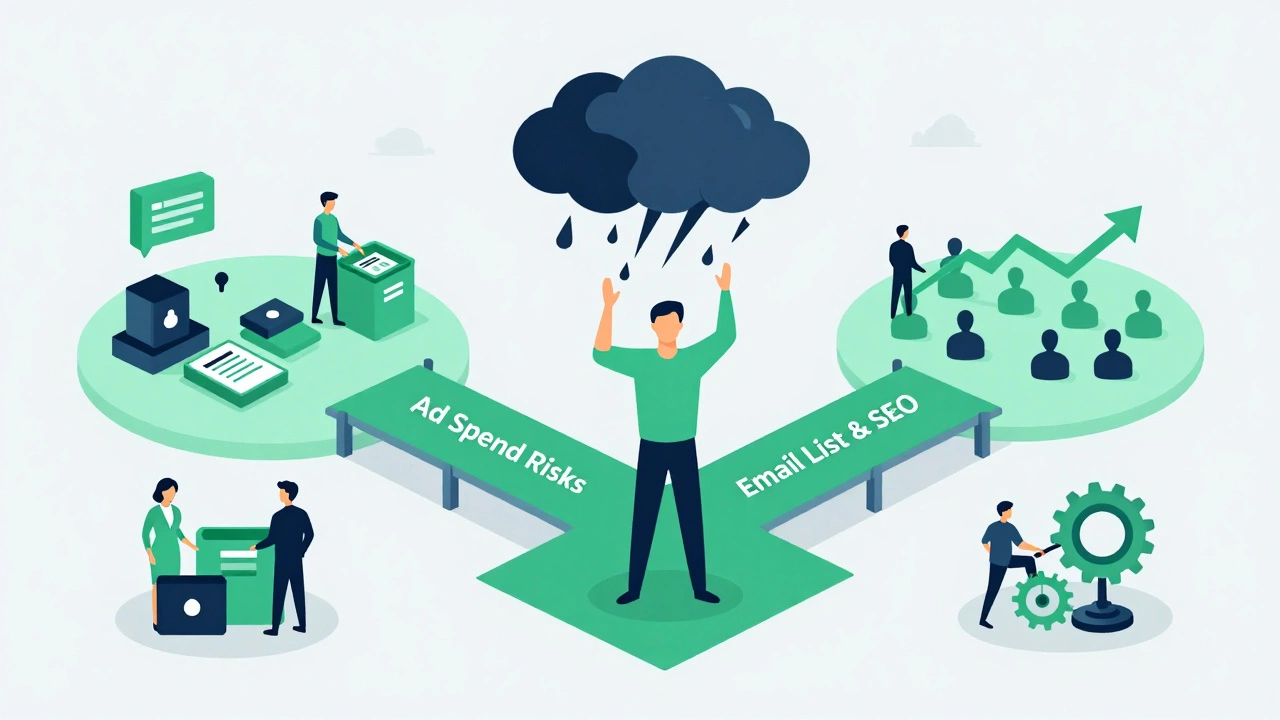
E-commerce is not without risks. Supply chain disruptions, algorithm changes, and rising ad costs can threaten your livelihood. Mitigate these by:
- Diversifying Suppliers: Never rely on a single manufacturer. Have backup options ready.
- Building an Email List: Owned audiences are immune to platform algorithm changes.
- Monitoring Cash Flow: Keep a buffer for unexpected expenses or slow sales periods.
- Adapting to Trends: Stay agile. Consumer preferences shift rapidly, especially in fashion and tech.
The goal is resilience. A resilient business survives downturns and thrives when competitors falter.
How much money do I need to start an online store?
You can start a dropshipping store with as little as $500-$1,000 covering platform fees, domain registration, and initial ad spend. For private labeling, budget at least $3,000-$10,000 to cover inventory, branding, and packaging. Digital products require minimal financial investment but significant time to create content.
Is dropshipping still profitable in 2026?
Yes, but margins are thinner than ever due to increased competition and rising ad costs. Success now requires exceptional creative assets, fast shipping options, and strong customer service. It is best used as a testing ground for products before moving to private label.
What is the best niche for an online store?
There is no single "best" niche. Look for problems people are willing to pay to solve. Health, beauty, home organization, and pet supplies remain consistently strong. Avoid overly saturated markets like generic phone cases unless you have a unique angle or branding.
How long does it take to make a profit?
It varies widely. Some dropshippers break even within weeks, while private label brands may take 6-12 months to become profitable due to higher upfront inventory costs. Consistency in marketing and optimization is key to reaching profitability faster.
Do I need to code my own website?
No. Platforms like Shopify and WooCommerce allow you to build a professional store without coding knowledge. However, basic HTML/CSS skills can help customize themes and improve site performance, giving you a competitive edge.