Full Stack Developer Language Advisor
This tool analyzes your profile against industry trends to recommend the most practical language stack for your career goals.
2026 Industry Trends
- JS Node.js is used by 68% of companies for backend
- Python Python has 35% more job openings in 2026
- SQL 80% of jobs still require SQL skills
- React React is the most popular frontend framework
There’s no magic list of languages that makes you a full stack developer. But if you’re starting out or trying to level up, knowing which ones actually matter today can save you months of guesswork. The truth? You don’t need to learn every language under the sun. You need to learn the right ones - the ones that work together, are in demand, and actually get real projects shipped.
Frontend: JavaScript is non-negotiable
If you’re building anything users see in a browser, you need JavaScript. There’s no way around it. HTML and CSS lay the structure and style, but JavaScript is what makes things move, respond, and feel alive. Every single website you use - from Amazon to your bank’s portal - runs JavaScript in the background.
You don’t need to master every framework. But you do need to understand how JavaScript works under the hood: variables, functions, async/await, DOM manipulation. Once you’ve got that, pick one modern framework to specialize in. React is the most popular right now, used by companies like Facebook, Airbnb, and Netflix. Vue and Svelte are solid alternatives, especially for smaller teams or faster prototypes.
Forget jQuery. It’s dead. Learning it won’t help you land a job in 2026. Focus on modern tooling: npm, Vite, bundlers, and component-based architecture. These aren’t just buzzwords - they’re the daily tools of any frontend developer.
Backend: Pick one language and go deep
The backend is where your server lives. It handles data, security, user logins, payments, and API calls. You don’t need to know every backend language. You need to know one really well.
JavaScript can do this too - with Node.js. If you’re already comfortable with JavaScript on the frontend, sticking with it for the backend means you use the same language everywhere. That’s a huge win for speed and consistency. Express.js and NestJS are the most common frameworks here. Companies like Uber and PayPal use Node.js for their APIs.
But if you want more structure, scalability, and cleaner code for complex apps, Python is your best bet. Django and FastAPI are the top choices. Django comes with everything built-in: admin panel, authentication, ORM. FastAPI is newer, faster, and perfect for APIs. Instagram, Spotify, and Dropbox all run on Python. It’s also the top language for AI and data-heavy apps, which means your skills will grow with the market.
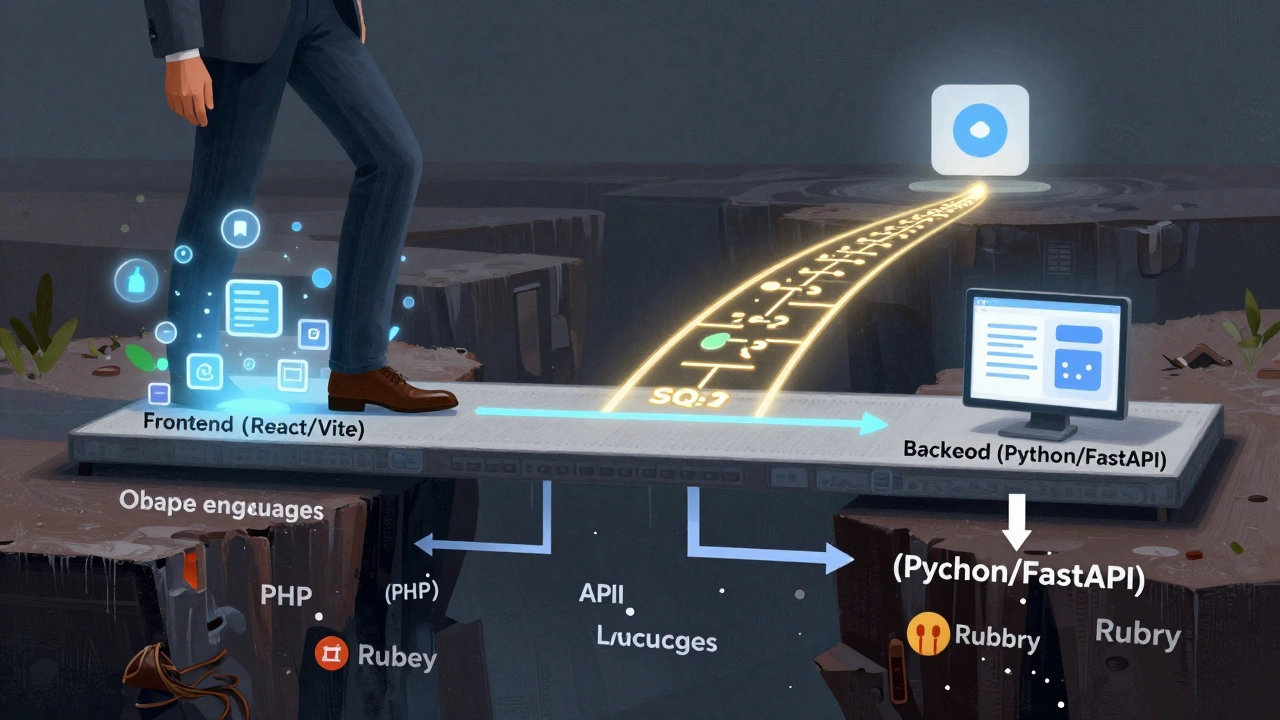
Other options? Java (Spring Boot) and C# (.NET) are still big in enterprise. But unless you’re applying to banks or government contractors, you won’t need them right away. Ruby on Rails is fading fast. PHP? Only if you’re maintaining legacy WordPress sites.
Database: SQL is still king
No matter what frontend or backend language you choose, you’ll need to talk to a database. And for that, SQL is still the universal language.
PostgreSQL is the most respected open-source database today. It’s powerful, reliable, and handles complex queries better than most. MySQL is still everywhere - especially in WordPress and older apps - but PostgreSQL is the clear winner for new projects.
You don’t need to be a database engineer. But you must know how to write basic queries: SELECT, JOIN, WHERE, GROUP BY. Understand indexes, transactions, and how to avoid N+1 query problems. Most backend frameworks (Django, Express, Spring) come with ORMs that hide SQL behind code. That’s fine - but if you can’t read raw SQL, you’ll hit walls fast when things go wrong.
For simple apps, you might use SQLite. For real-time apps, MongoDB or Firebase can work. But 80% of jobs still expect SQL skills. Don’t skip it.
DevOps basics: You don’t need to be an engineer, but you need to know the tools
Full stack doesn’t mean you write code and call it done. You need to deploy it. And that means understanding how apps go from your laptop to the internet.
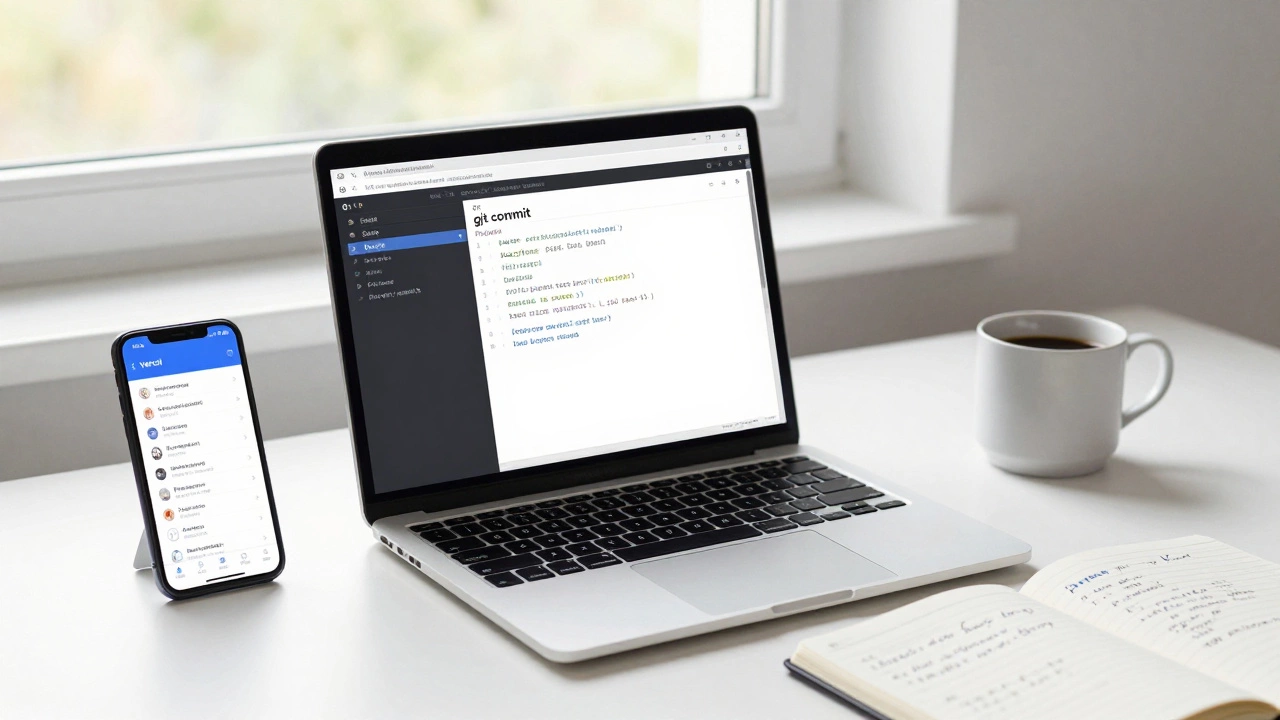
You don’t need to configure Kubernetes or write Terraform scripts. But you should know how to:
- Use Git for version control - commit, push, pull, branch
- Deploy a simple app to Vercel (frontend) or Render/Heroku (backend)
- Understand environment variables and .env files
- Use Postman or curl to test APIs
These aren’t optional extras. They’re part of the job. If you can’t show a recruiter a live link to a project you built and deployed, you’re just a coder - not a full stack developer.
What languages to avoid
There are dozens of languages out there. But most are irrelevant for full stack roles in 2026.
- PHP - Only learn this if you’re maintaining WordPress themes or legacy systems. New projects rarely use it.
- Ruby - Ruby on Rails is still around, but hiring has dropped 60% since 2020. It’s niche now.
- Swift and Kotlin - These are for mobile apps. Not full stack.
- C++ and Rust - Great for performance-critical systems, but not web apps.
- Go - Growing fast in backend, but still rare in entry-level roles. Learn it later.
Don’t get distracted by trends. Stick to the core stack: JavaScript (frontend + Node.js), Python (backend), and SQL (database). That’s the 80/20 rule: 20% of languages get you 80% of jobs.
Real-world example: Build a project
Here’s what a real full stack project looks like in 2026:
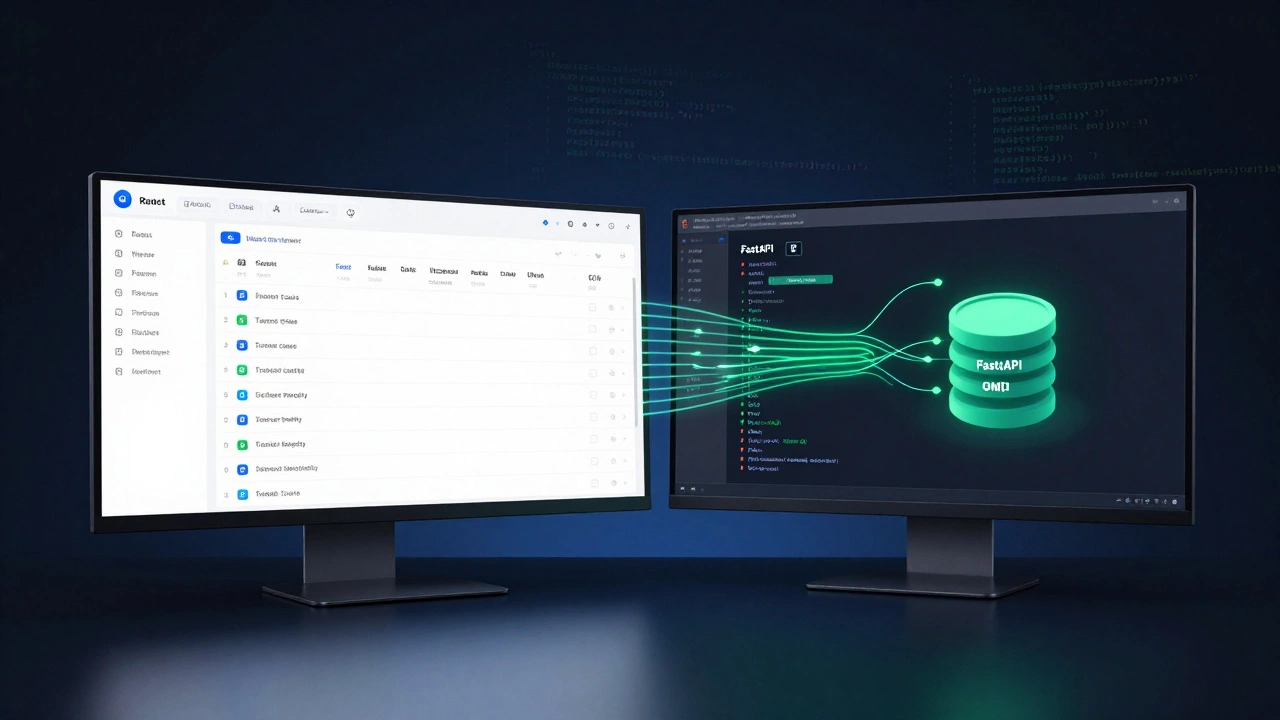
- Frontend: React + Vite
- Backend: Python + FastAPI
- Database: PostgreSQL
- Deployment: Frontend on Vercel, backend on Render
- Auth: JWT tokens
- API: REST or simple GraphQL
Build a task manager, a weather app that pulls data from a public API, or a blog with user comments. Host it live. Put the GitHub link on your resume. That’s how you prove you’re not just learning - you’re doing.
What about learning order?
Start here:
- HTML and CSS - basics of structure and layout
- JavaScript - focus on DOM and async code
- React - build a few UI components
- Python - learn syntax and functions
- FastAPI or Django - create your first API endpoint
- PostgreSQL - write queries and connect it to your backend
- Git and deployment - push your project live
Don’t wait until you "know everything." Build something small every week. Even if it’s broken. Even if it’s ugly. Shipping beats studying.
Final checklist: Are you ready?
Before you call yourself a full stack developer, ask yourself:
- Can you build a responsive webpage from scratch with HTML, CSS, and JavaScript?
- Can you create a REST API in Python or Node.js that returns JSON data?
- Can you connect that API to a frontend and display live data?
- Can you store user data in a database and retrieve it?
- Can you deploy your app so strangers on the internet can use it?
If you can answer yes to all five - you’re a full stack developer. Not because you know every language. But because you can connect them and make something real.
Do I need to learn both frontend and backend languages to be a full stack developer?
Yes. Full stack means you handle both sides of the app - what users see (frontend) and what runs behind the scenes (backend). You don’t need to be an expert in every detail, but you must be able to build, connect, and deploy both parts. If you only know frontend, you’re a frontend developer. If you only know backend, you’re a backend developer. Full stack means you can do both.
Is Python better than JavaScript for backend?
It depends on your goals. JavaScript (Node.js) is great if you want to use the same language everywhere. Python is better if you want cleaner code, faster development for complex apps, or plan to work with AI, data, or scientific tools later. Both are widely used. Python has more job openings in 2026, especially in startups and tech companies. Node.js dominates in e-commerce and real-time apps. Learn both eventually, but start with one.
Can I become a full stack developer without a degree?
Absolutely. Most full stack developers today are self-taught. Companies care more about what you can build than where you went to school. Build three solid projects, put them on GitHub, and deploy them live. Write about your process. Apply to junior roles. You’ll get hired if you can prove you can ship code - not if you have a diploma.
How long does it take to become a full stack developer?
If you study 20 hours a week, you can build your first deployable full stack app in 4-6 months. That’s enough to apply for junior roles. But becoming confident and efficient? That takes 1-2 years of consistent practice. The key isn’t speed - it’s consistency. Build one small project every week. Fix bugs. Ask for feedback. Repeat.
Should I learn TypeScript?
Yes - but not right away. Learn plain JavaScript first. Once you’re comfortable with functions, objects, and async code, add TypeScript. It catches errors before they happen and is now the standard in most professional React and Node.js projects. You’ll see it in job postings. But don’t let it slow you down at the start.
Next steps
Don’t wait for the perfect course or the perfect plan. Start today:
- Build a simple todo app with React and a fake API (use JSONPlaceholder)
- Switch the backend to Python + FastAPI and connect it to your frontend
- Store your todos in PostgreSQL
- Deploy it on Vercel and Render
- Share the link with someone - even if it’s just a friend
That’s not theory. That’s your first full stack app. And you’re already ahead of 90% of people who just watch tutorials.