E-Commerce Model Finder
Select your business scenario to identify your e-commerce model type
Which scenario matches your business?
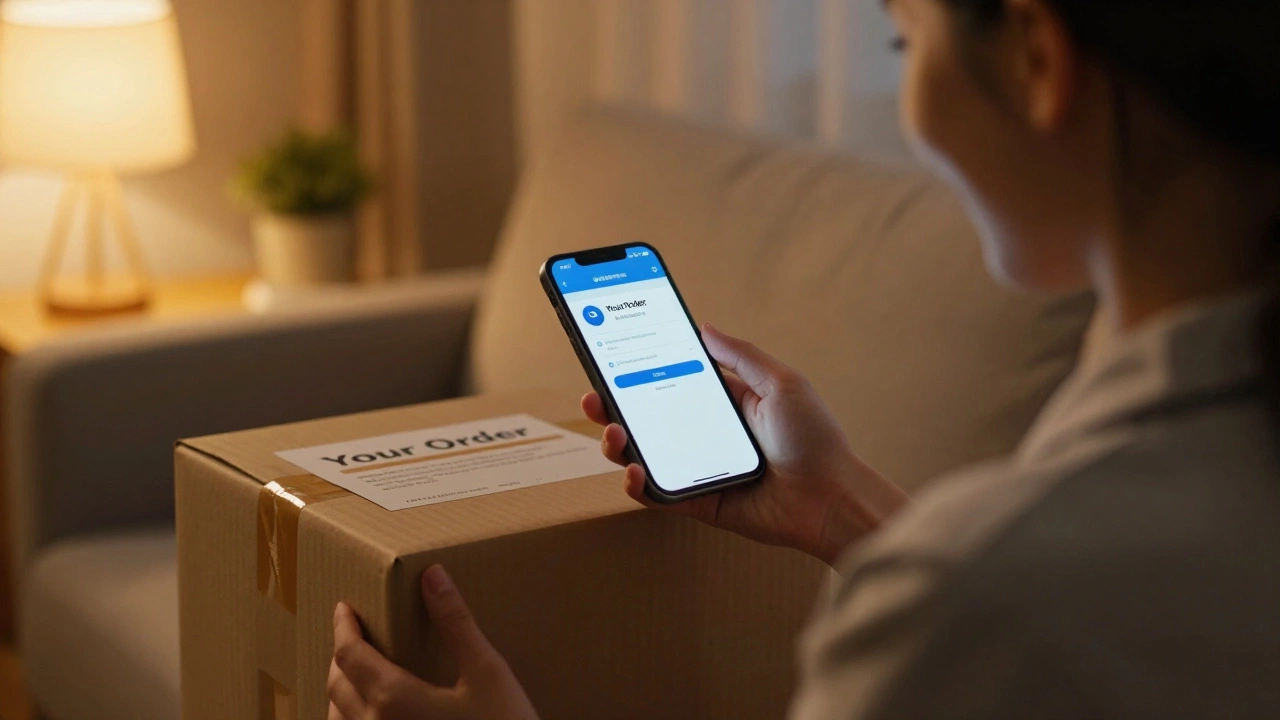
When you order sneakers from a website and they show up at your door in two days, that’s e-commerce. It’s not magic. It’s not complicated. It’s just buying and selling stuff over the internet. And it’s everywhere now-on your phone, your laptop, even your smart fridge.
What exactly is e-commerce?
E-commerce stands for electronic commerce. That’s just a fancy way of saying any transaction where money changes hands online. It includes everything from buying a book on Amazon to paying for a monthly subscription to a fitness app. You don’t need a physical store. You don’t even need to meet the person you’re buying from. Just click, pay, and wait.
It’s not new. Amazon started in 1995 selling books. eBay launched the same year letting people auction off old stuff. But today? E-commerce is bigger than malls. In 2025, global online sales hit $7.2 trillion. That’s more than the entire GDP of Germany. People aren’t just buying clothes and gadgets-they’re paying for streaming services, digital courses, software licenses, and even virtual real estate in online worlds.
How does e-commerce actually work?
Think of it like a digital store with three main parts:
- The website-this is where customers browse products. It could be a simple Shopify store or a custom-built site with thousands of items.
- The payment system-this handles your credit card, Apple Pay, or PayPal. It’s the digital cash register.
- The fulfillment system-this is what gets the product to you. That could be a warehouse, a dropshipper, or even a local delivery driver.
Behind the scenes, there’s software managing inventory, tracking orders, sending emails, and even recommending products based on what you’ve looked at before. Companies like Shopify, WooCommerce, and BigCommerce make this easy for small businesses. You don’t need to be a programmer to set one up.
Types of e-commerce you encounter every day
Not all e-commerce is the same. Here are the main types you’re probably already using:
- B2C (Business to Consumer)-This is the most common. You buy from a company. Think: Nike, Zara, or your local bakery selling cookies online.
- B2B (Business to Business)-Companies buying from other companies. For example, a restaurant ordering napkins from a wholesale supplier through an online portal.
- C2C (Consumer to Consumer)-People selling to other people. Etsy, Facebook Marketplace, and eBay are all C2C platforms.
- C2B (Consumer to Business)-Less common but growing. Think of a freelance graphic designer posting their portfolio on Upwork and a company hiring them.
You don’t need to remember all these labels. But knowing them helps you understand why some sites feel different. A B2B site might ask for your company tax ID. A C2C site might let you chat directly with the seller.
Why has e-commerce exploded?
It’s not just because people like shopping online. It’s because the system works better in many ways.
For buyers: You can compare prices in seconds. You read real reviews from real people. You shop at 2 a.m. in your pajamas. No crowds, no pressure, no awkward small talk.
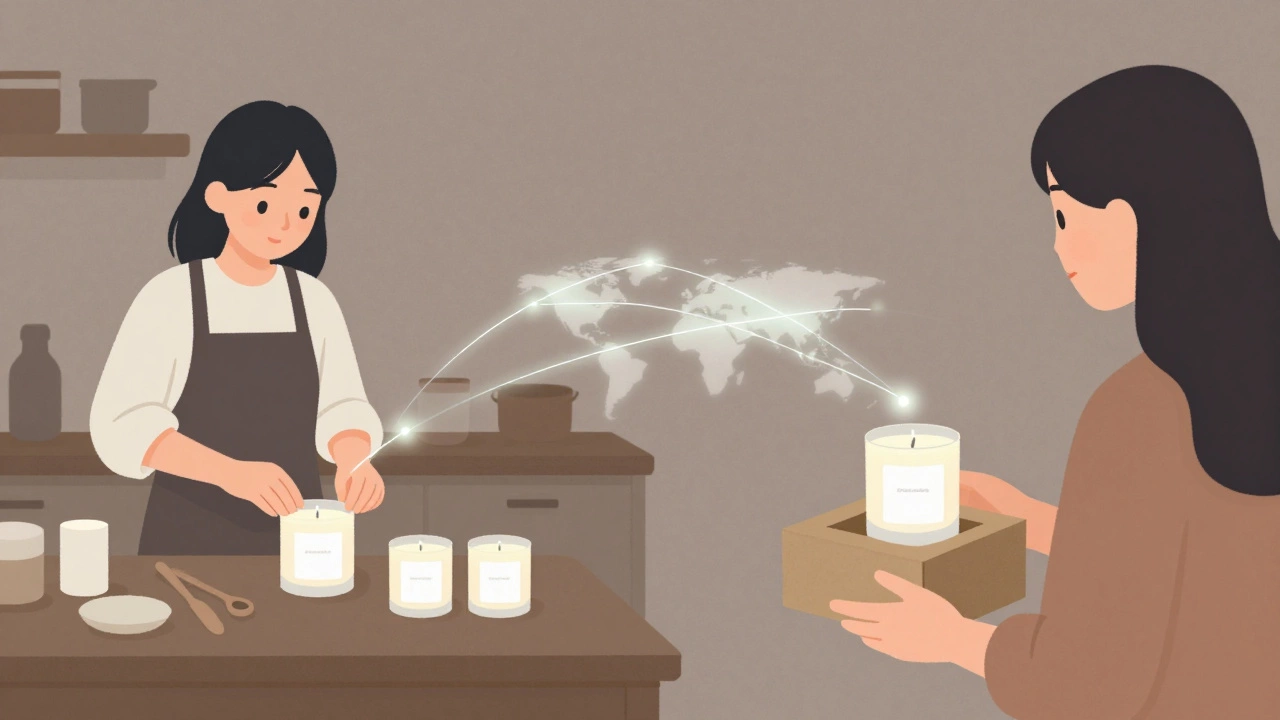
For sellers: A small business in Dublin can sell to someone in Tokyo without renting a storefront. They don’t need a sales team. They don’t need to keep inventory in every city. Tools like Stripe and PayPal handle payments in over 135 currencies. Shipping labels print at home. Social media ads target people who actually care about what you sell.
And after the pandemic? The shift stuck. In 2025, over 80% of Irish adults made at least one online purchase last month. That’s not a trend. It’s the new normal.
What’s the difference between e-commerce and a regular website?
A regular website might tell you about a business-its history, its team, its services. It’s like a digital brochure.
An e-commerce website lets you buy something right then and there. It has a shopping cart. It has a checkout page. It asks for your address and payment info. It sends you a confirmation email.
If a site doesn’t let you complete a transaction, it’s not e-commerce. It’s just a website.
What are common mistakes people make when they think about e-commerce?
Many think e-commerce means you need to be Amazon. That’s not true. You can sell one handmade candle and call it e-commerce. You don’t need millions of products. You don’t need a warehouse. You don’t even need a fancy website.
Another myth: e-commerce is only for big brands. In reality, 62% of online sales in 2025 came from small businesses with fewer than 10 employees. A local coffee shop in Cork selling beans online? That’s e-commerce. A student selling custom-designed t-shirts on Instagram? That’s e-commerce too.
And no, you don’t need to be tech-savvy. Platforms like Shopify, Wix, and Etsy handle the hard stuff. You focus on what you make. They handle the cart, the payments, and even the tax forms.

What’s next for e-commerce?
It’s getting smarter. AI suggests products before you even search. Augmented reality lets you “try on” glasses or see how a sofa looks in your living room. Voice shopping is growing-ask your smart speaker to reorder your favorite dog food.
Mobile sales now make up over 65% of all e-commerce traffic. That means websites have to load fast on phones. If your site takes more than three seconds to open, you’re losing customers.
And sustainability? More shoppers care now. They want to know if packaging is recyclable. If shipping is carbon-neutral. If the product was made ethically. E-commerce isn’t just about convenience anymore. It’s about values.
So, what does e-commerce really mean?
It means freedom. Freedom to start a business from your kitchen table. Freedom to buy what you need without leaving home. Freedom to choose from thousands of sellers across the world.
It’s not about technology. It’s about connection. A seller in Vietnam ships handmade pottery to a buyer in Dublin. A teenager in Lagos sells digital art to someone in Toronto. That’s e-commerce. Simple. Powerful. Global.
Is e-commerce the same as online shopping?
Yes, for most people, e-commerce and online shopping mean the same thing. But technically, online shopping is just one part of e-commerce. E-commerce also includes business-to-business sales, digital downloads, subscriptions, and services sold online. So all online shopping is e-commerce, but not all e-commerce is shopping for physical products.
Do I need a website to do e-commerce?
No. You can sell on platforms like Etsy, Amazon, eBay, Instagram, or Facebook Marketplace without building your own website. These platforms handle the checkout, payments, and sometimes even shipping. But if you want to build your own brand and keep more of your profits, having your own website gives you more control.
Is e-commerce safe?
Yes, if you use trusted platforms. Reputable e-commerce sites use encryption (look for the padlock icon in your browser) and secure payment processors like Stripe or PayPal. Never enter your credit card details on a site that doesn’t start with https://. Also, avoid deals that seem too good to be true-they often are.
Can small businesses really compete with Amazon?
Absolutely. Amazon dominates volume, but small businesses win on personalization, niche products, and customer service. People buy from local artisans, specialty shops, and unique brands because they want something they can’t find on Amazon. Many shoppers are willing to pay more for quality, ethics, or a story behind the product.
What’s the easiest way to start selling online?
Start with Etsy or Shopify. Etsy is perfect for handmade or vintage items. Shopify lets you build your own branded store with minimal tech skills. Both take less than an hour to set up. Upload your product photos, set a price, connect your bank account, and you’re ready. No coding needed.
Where to go from here
If you’re thinking about selling online, start small. Pick one product. Take a clear photo. Write a simple description. List it on Etsy or Instagram. See if someone buys it. That’s it. You’ve just started e-commerce.
If you’re just shopping, remember: you’re not just buying a thing. You’re supporting a person, a story, a small business trying to make it. That’s the real power of e-commerce-not the tech, not the speed, but the human connection behind every click.