No Host Website: What It Means and How to Fix It
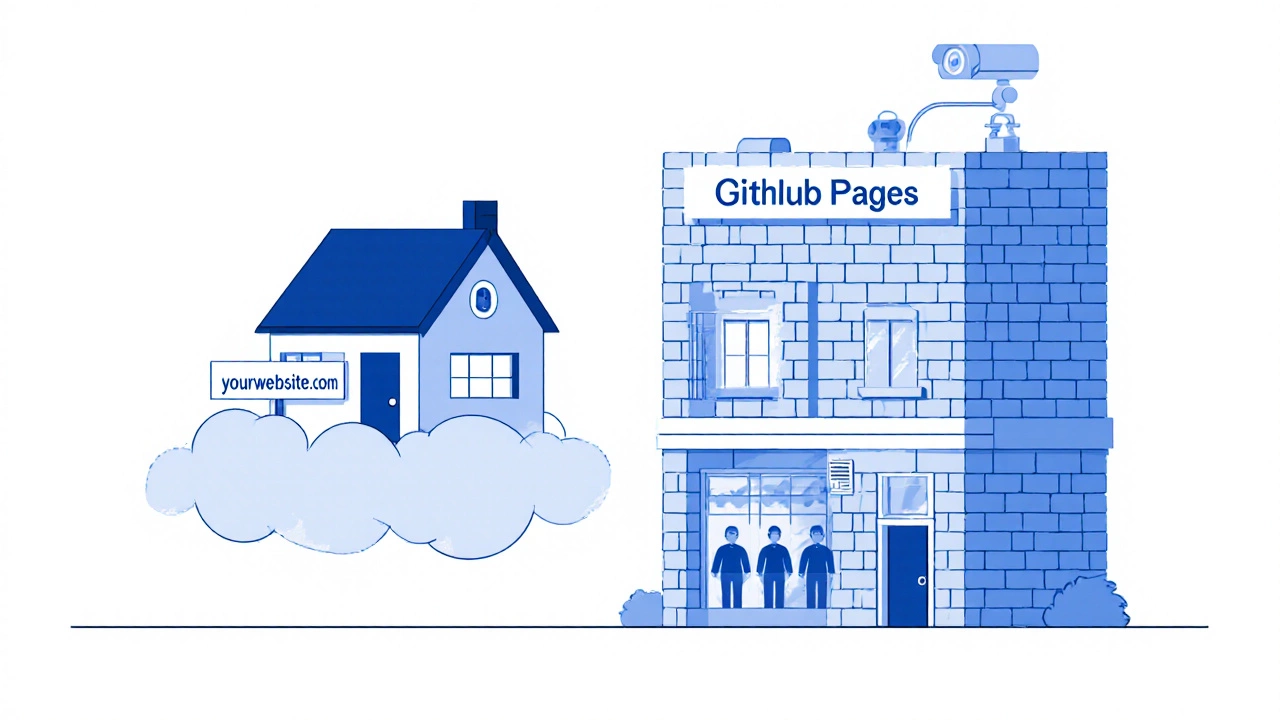
When you hear no host website, a website that exists as code but isn’t connected to a server where visitors can access it. Also known as unhosted site, it’s like having a house with all the rooms built—but no address, no power, and no way for anyone to find it. This isn’t a design flaw. It’s a missing piece: web hosting, a service that stores your website files on a server connected to the internet. Without it, your HTML, CSS, and JavaScript are just files on your computer—useless to anyone else.
Many people think buying a domain name is enough. It’s not. Your domain (like yourname.com) is just the sign on the door. web hosting, a service that stores your website files on a server connected to the internet. is the land and building. You need both. If you’re seeing a "no host website" error, you likely forgot to point your domain to a hosting provider, or your hosting plan expired. It’s not complicated—it’s just overlooked. Check your email for renewal notices. Log into your hosting dashboard. Make sure your DNS settings match what your host gave you. Most people fix this in under 10 minutes once they know where to look.
This issue shows up a lot with beginners who use website builders like Wix or WordPress.com. They think they’re done when they publish. But if they later switch to self-hosted WordPress, they might leave their old site up without realizing it’s no longer connected. Or they buy a domain from GoDaddy and upload files to their laptop instead of the server. These aren’t mistakes—they’re normal steps in learning. The good news? Once you understand how web hosting, a service that stores your website files on a server connected to the internet. works, you’ll never get stuck again. You’ll know exactly where your site lives, how to move it, and how to keep it running.
And if you’re wondering why your site says "no host website" even though you paid for hosting? It’s usually one of three things: your payment failed, your server crashed, or your DNS settings are wrong. Try accessing your site from a different device or network. If it’s down for everyone, it’s not your browser—it’s the host. Most hosting companies have status pages you can check. If they’re down, wait. If they’re fine, fix your settings. You don’t need to be a developer to handle this. Just follow the steps.
Behind every working website is a host. Behind every "no host website" error is a simple fix waiting to be found. The posts below cover real cases—from people who lost their site after forgetting to renew hosting, to those who thought they were done building but never actually launched. You’ll find guides on choosing the right host, how to move your site without breaking it, and why some platforms make this harder than they should. No theory. No fluff. Just what actually works when your site vanishes from the internet.