E-commerce vs Online Shopping Quiz
Test Your Knowledge
Take this 5-question quiz to see how well you understand the difference between e-commerce and online shopping. Each question will help clarify key concepts from the article.
Question 1: What is the fundamental difference between e-commerce and online shopping?
Question 2: Which of these is part of e-commerce?
Question 3: When you buy a book on Amazon, what are you doing?
Question 4: Which scenario describes e-commerce running without online shopping?
Question 5: True or False: The process of entering shipping details during checkout is part of e-commerce
People say "e-commerce" and "online shopping" like they’re the same thing. But they’re not. If you run a small business, build websites, or even just buy stuff online, mixing these up can cost you time, money, and clarity. Let’s clear this up once and for all.
Online shopping is what you do
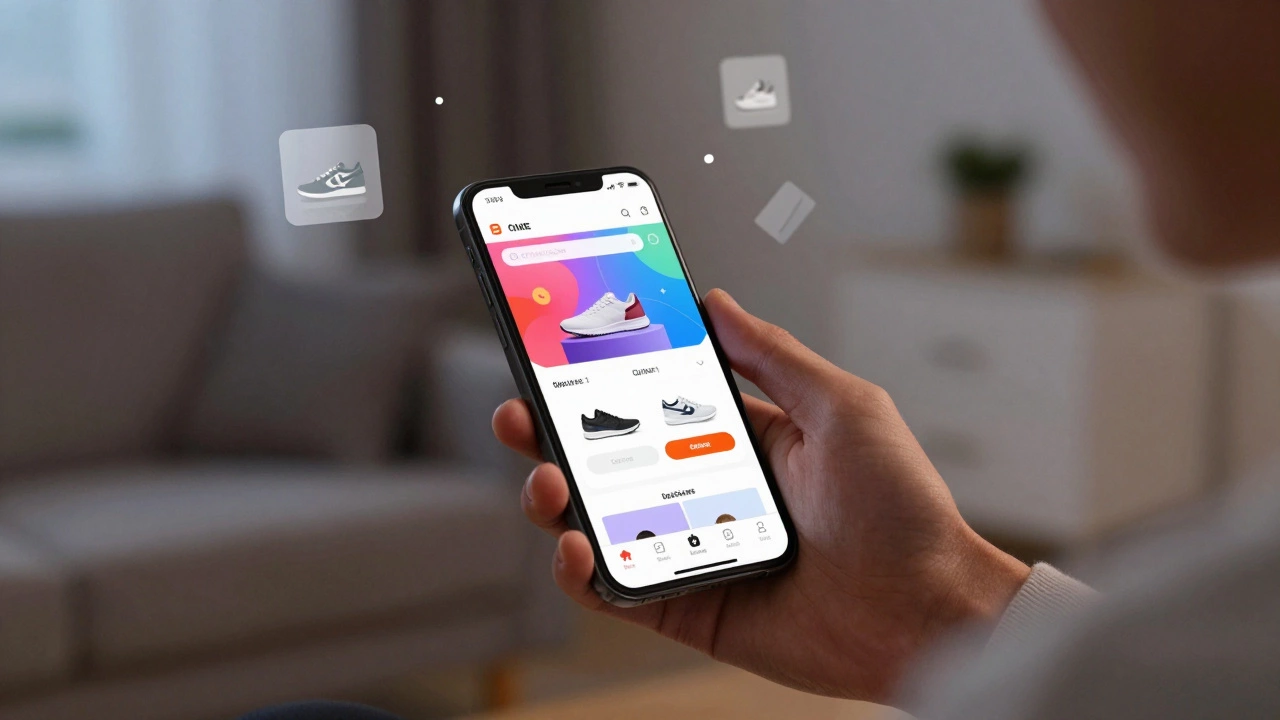
Online shopping is the act of buying something from a website. You open your phone, search for sneakers, pick a pair, click "Buy Now," enter your card details, and hit confirm. That’s it. You’re done. You didn’t build the site. You didn’t manage inventory. You didn’t handle shipping. You just clicked and waited for delivery.
It’s a single transaction. One person. One purchase. It’s personal. It’s simple. And it’s something nearly everyone does. In 2025, over 2.6 billion people worldwide made at least one online purchase. That’s more than a third of the planet’s population. But none of those people had to create the store they shopped at.
E-commerce is what the business does
E-commerce is the entire system behind those purchases. It’s not just the checkout button. It’s the website, the payment gateway, the inventory tracker, the shipping labels, the customer support chatbot, the tax calculator, the returns portal, the email follow-ups, the product photos, the SEO setup, the mobile app, the analytics dashboard, and the team managing it all.
Think of it like a restaurant. Online shopping is you walking in, ordering a burger, paying, and eating. E-commerce is the whole operation: the kitchen, the staff, the supply chain, the menu design, the reservation system, the online ordering platform, the delivery drivers, the health inspections, the marketing campaigns, and the accounting software.
One person shops. A business runs e-commerce.
Every online shopping trip happens inside an e-commerce system
You can’t shop online without e-commerce. But e-commerce doesn’t need you to be shopping right now to exist. A store can be live, accepting payments, processing orders, and tracking inventory-even if no one is browsing it at 3 a.m. That’s e-commerce running in the background.
Amazon, Etsy, Shopify stores, even a local bakery’s website that lets you order birthday cakes online-all of these are e-commerce platforms. When you buy from them, you’re participating in online shopping. But the platform itself? That’s e-commerce.
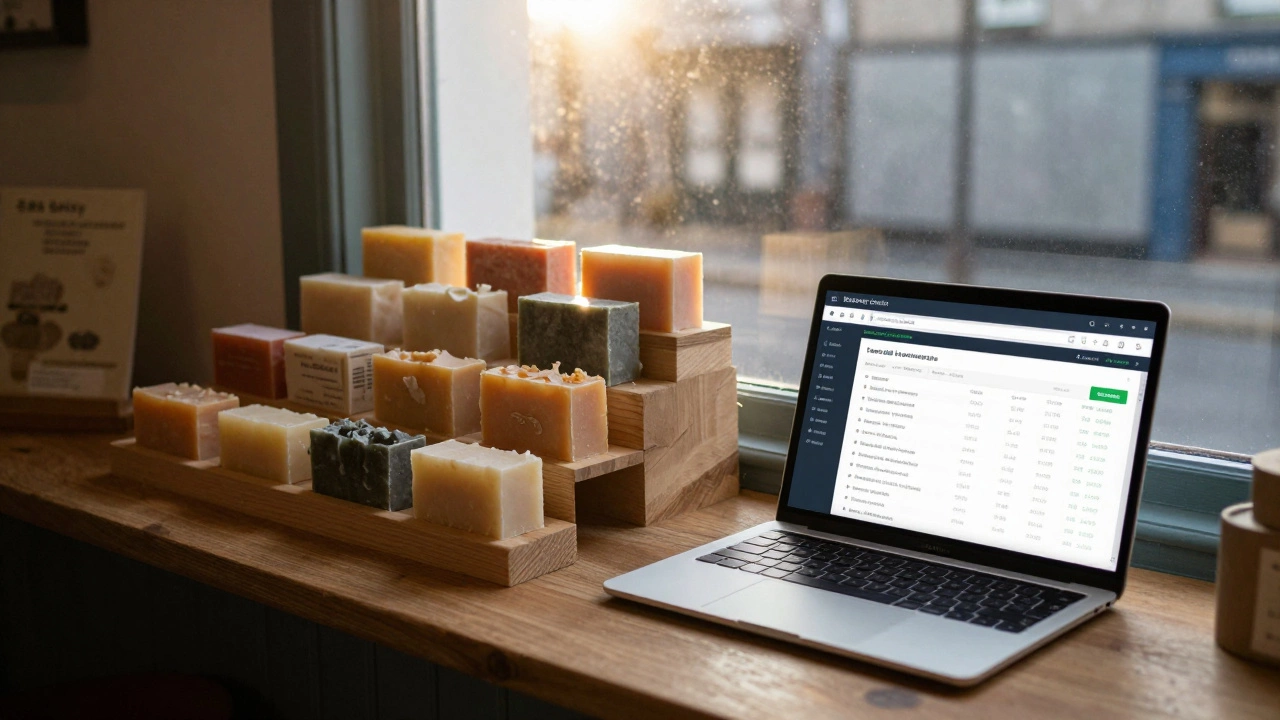
Here’s a real example: A handcrafted soap maker in Galway sets up a store on Shopify. She uploads photos, writes product descriptions, connects her bank account, sets shipping rates, and turns on automatic email receipts. That’s e-commerce. Then, a customer in Dublin finds her site, picks three soaps, checks out, and gets a confirmation email. That’s online shopping.
One action. One system. Two different things.

Why this confusion matters
If you’re a small business owner thinking, "I just need an online store," you might hire a designer to make a pretty page with a "Buy Now" button. But if you don’t understand e-commerce, you’ll miss the backend. No inventory sync? Your customers will order things you don’t have. No automated tax rules? You’ll owe money to Revenue. No mobile optimization? Half your sales will drop off.
On the flip side, if you’re a shopper who thinks "e-commerce" means "the site I bought from," you might blame the website when your package is late. But the website is just the front door. The delay could be the courier, the warehouse, or a customs hold. The e-commerce system isn’t always to blame.
This confusion also shows up in job titles. Someone says, "I work in e-commerce," but they’re just a customer service rep answering emails about delivery times. That’s support, not e-commerce. True e-commerce roles involve building, integrating, or optimizing the whole system-developers, analysts, logistics coordinators, payment specialists.
What’s included in e-commerce (and what’s not)
Here’s what e-commerce actually covers:
- Product catalog management
- Secure payment processing (Stripe, PayPal, Apple Pay)
- Order fulfillment and tracking
- Customer accounts and login systems
- Inventory and warehouse integration
- Tax and compliance automation
- Marketing tools (discount codes, abandoned cart emails)
- Mobile apps and progressive web apps
- Analytics: sales data, traffic sources, conversion rates
What’s not part of e-commerce?
- Clicking "Add to Cart"
- Receiving a delivery
- Leaving a product review
- Using a coupon code you found on a blog
- Comparing prices across sites
These are all parts of the shopping experience-but they’re actions taken by the customer, not components of the business system.
Real-world examples to lock it in
Let’s break down three common scenarios:
- You buy a book on Amazon. That’s online shopping. Amazon’s entire platform-their warehouse robots, their recommendation engine, their one-click checkout, their seller portal-is e-commerce.
- A local florist uses WooCommerce to sell bouquets. Setting up the site, connecting bank details, managing stock levels, and sending automated thank-you emails? That’s e-commerce. You ordering a rose arrangement? That’s online shopping.
- You use a QR code on a café table to order coffee. Scanning and paying? Online shopping. The café’s system that takes your order, sends it to the barista, tracks inventory of milk and beans, and emails you a receipt? That’s e-commerce.
Notice how the same technology (a website or app) can be both the shopping tool for you and the business system for them. Context changes everything.
How this affects your website
If you’re building a website for a business, calling it an "online shopping site" is vague. It sounds like a feature. But if you call it an "e-commerce website," you’re signaling that you’re building a full business platform.
That matters when you’re hiring developers. A freelancer who says they "build online stores" might just slap a PayPal button on a WordPress page. A developer who says they "build e-commerce systems" knows about inventory syncs, PCI compliance, multi-currency support, and abandoned cart recovery flows.
Even your SEO strategy changes. If you’re targeting "best online shopping site," you’re competing with Amazon and eBay. If you’re targeting "best e-commerce platform for small businesses," you’re speaking to entrepreneurs looking for tools-and that’s a whole different audience.
Bottom line
Online shopping is what you do. E-commerce is what the business does. One is a single click. The other is a whole machine.
Getting this right isn’t just semantics. It’s about building the right thing, hiring the right people, and speaking the right language. If you’re a business owner, don’t settle for a pretty page. Build a system. If you’re a shopper, know that your purchase is just one part of a much bigger engine.
Next time someone says "e-commerce," ask: Are they talking about the store-or the sale?
Is Amazon an e-commerce platform or just an online shopping site?
Amazon is an e-commerce platform. It’s the entire system that allows millions of sellers to list products, processes payments, manages inventory, handles shipping logistics, and tracks customer data. When you buy something from Amazon, you’re doing online shopping-but you’re doing it on Amazon’s e-commerce infrastructure.
Can you have e-commerce without online shopping?
Yes. A business can have a fully built e-commerce system running-accepting payments, syncing inventory, sending automated emails-but if no one is buying, no online shopping is happening. The system still exists. It’s just inactive. Think of it like a restaurant with closed doors: the kitchen is still there, the staff is paid, the ingredients are stocked. But no customers are eating.
Do I need a separate app for e-commerce, or is a website enough?
A well-built website is enough to run e-commerce. Many small businesses succeed with just a Shopify or WooCommerce site. But if your customers are on mobile and you see high cart abandonment on phones, adding a progressive web app (PWA) or native app can improve conversion. The e-commerce system can work across both-your website, your app, and even social media checkout buttons are all part of the same system.
Is eBay e-commerce or just a marketplace for online shopping?
eBay is an e-commerce platform. It provides the infrastructure-listing tools, payment processing, seller ratings, dispute resolution-for individuals and businesses to sell. Each individual seller runs their own mini e-commerce store within eBay’s larger system. When you bid or buy, you’re doing online shopping on an e-commerce platform.
Can a physical store have e-commerce?
Absolutely. Many brick-and-mortar stores now have online stores to sell products they also carry in person. A local bookstore might have in-store sales and also sell books online using Shopify. That’s e-commerce. The store’s physical location doesn’t change the fact that they’re running a digital sales system. Some even use their website to offer curbside pickup-that’s still e-commerce, just with a local delivery twist.