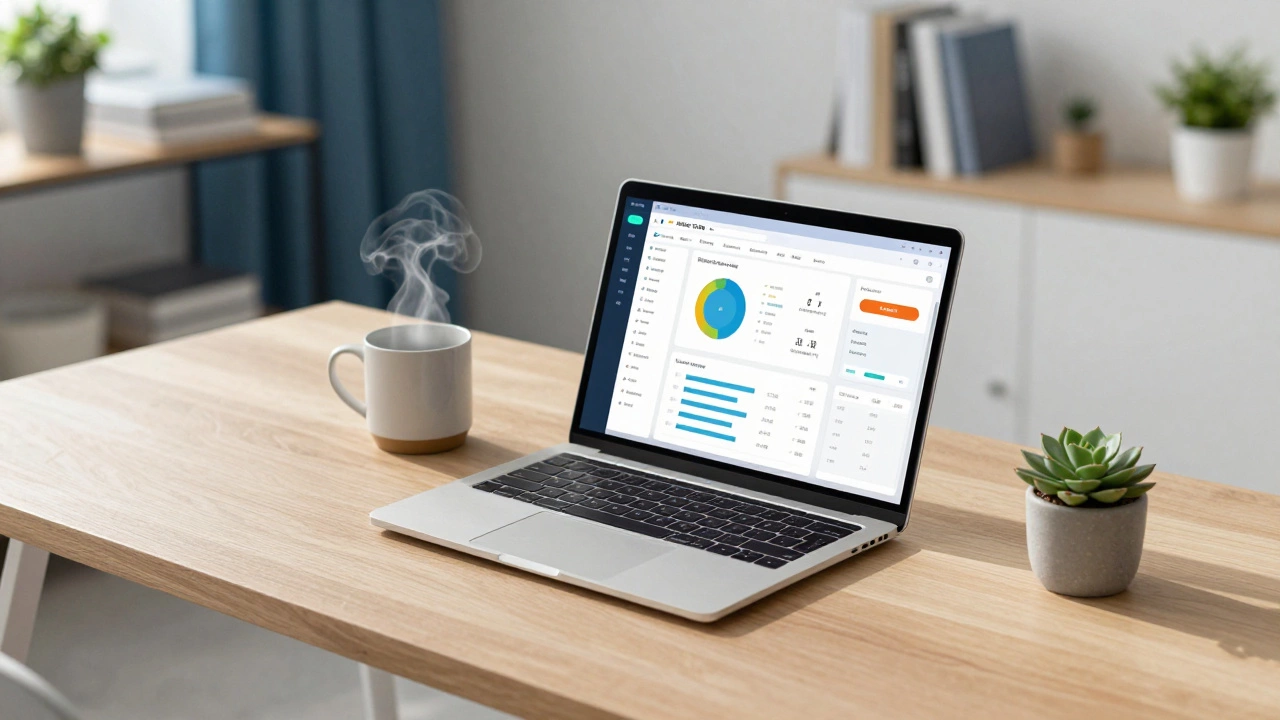
Online Business Model Matcher for 2026
Not sure which high-demand online business fits your skills and resources? Use this tool to find the best niche based on your capital, technical ability, and preference for physical vs. digital products.
Recommended Model:
The internet is crowded. That’s the bad news. The good news? People are still spending billions online every single day. If you’re looking to start an online business in 2026, you don’t need a revolutionary idea. You just need to solve a problem that people are actively trying to fix right now.
We aren't talking about building the next Facebook. We’re talking about viable, profitable e-commerce and service-based models that have low barriers to entry but high scalability. The landscape has shifted since 2020. The days of dropshipping cheap plastic gadgets from overseas with three-week shipping times are mostly over. Consumers today value speed, authenticity, and specific solutions.
So, what actually works? Let’s look at the sectors where money is moving fast, customer intent is high, and competition can be managed with the right strategy.
The Shift Toward Digital-First Revenue Streams
Before we get into physical goods, we need to address the elephant in the room: digital products. In 2026, selling files is often more profitable than selling boxes. Why? Because your margin is nearly 100%. You create the product once, and you can sell it infinitely without worrying about inventory, shipping costs, or returns.
This isn't just about writing an eBook anymore. The market has evolved. People are buying systems, templates, and tools that save them time. Think about it: if you can save a small business owner five hours a week by providing a pre-built Notion dashboard or a set of automated email sequences, they will happily pay $50-$100 for it.
The key here is specificity. A generic "productivity guide" won't sell. But a "Project Management Template for Freelance Graphic Designers"? That solves a painful, specific problem. This model relies heavily on content marketing and social proof rather than paid ads, making it sustainable for solo entrepreneurs.
Niche Subscription Boxes: Curated Convenience
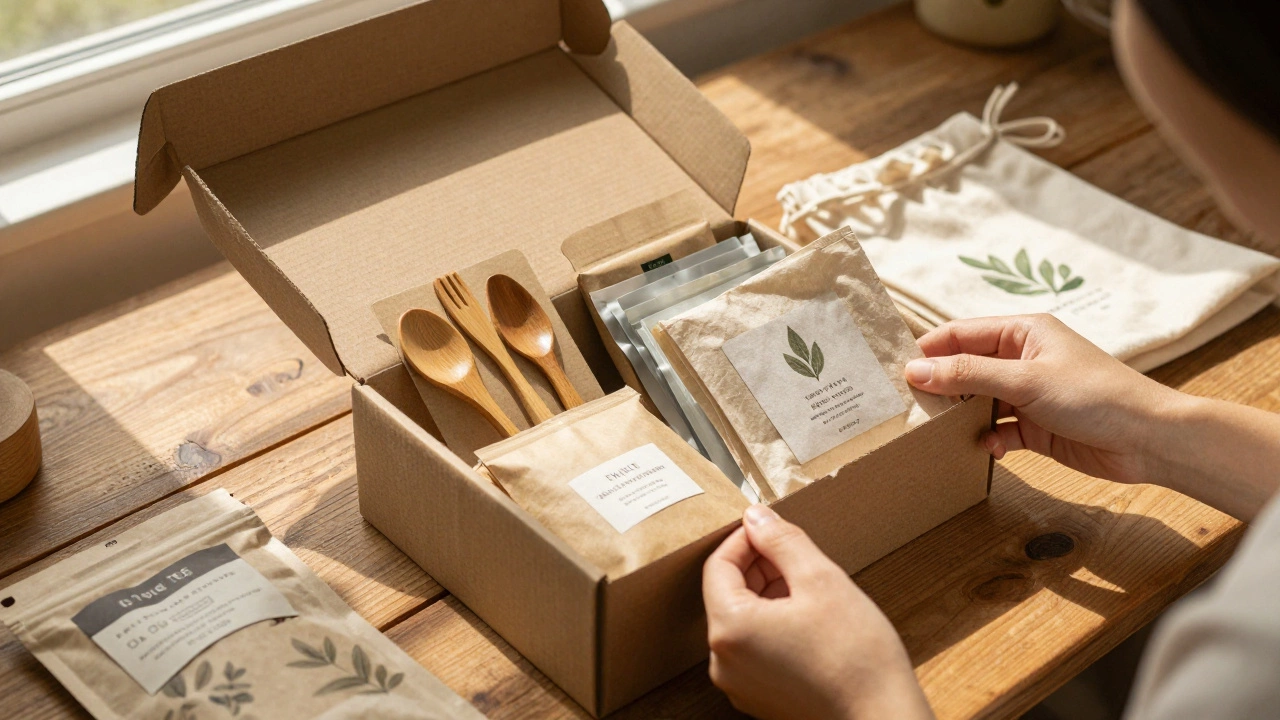
Physical e-commerce isn't dead; it's just getting smarter. The generalist store is struggling against giants like Amazon. However, niche subscription boxes continue to thrive because they offer something algorithms can't: curation and surprise.
In 2026, the most successful subscription models focus on high-intent hobbies or health needs. We are seeing massive growth in areas like:
- Sustainable Living Kits: Zero-waste household supplies delivered monthly.
- Pet Wellness Subscriptions: Organic treats and toys tailored to specific breeds or dietary restrictions.
- Specialty Coffee or Tea Clubs: Sourced directly from farmers with detailed tasting notes.
The secret sauce here is community. These businesses succeed when they build a brand around a lifestyle, not just a product. Customers stay subscribed because they feel part of a tribe. If you can source unique products that aren't available on big-box retailer shelves, you have a defensible moat.
| Business Model | Startup Cost | Profit Margin | Scalability | Key Challenge |
|---|---|---|---|---|
| Digital Products | Low ($0-$500) | Very High (90%+) | High | Marketing & Trust Building |
| Subscription Box | Medium ($1k-$5k) | Medium (30-50%) | Medium | Churn Rate & Logistics |
| Print-on-Demand | Low ($100-$300) | Low-Medium (15-25%) | High | Design Originality |
| Online Coaching | Low ($0-$200) | Very High (80%+) | Low (Time-bound) | Client Acquisition |
Print-on-Demand with a Brand Identity
Print-on-demand (POD) has been around for years, but the "generic quote on a t-shirt" era is fading. What’s in high demand now is POD integrated into strong, micro-brands. Instead of opening a general store, successful entrepreneurs are creating brands around very specific subcultures or professions.
Imagine a brand dedicated solely to nurses who love cats, or developers who enjoy hiking. By narrowing your audience, you reduce customer acquisition costs because your messaging resonates deeply. You use platforms like Printful or Printify to handle production and shipping, so you never touch inventory.
The challenge in 2026 is design quality. AI-generated art is everywhere, which means the bar for creativity is higher. The winners are those who combine AI efficiency with human artistic direction to create designs that feel authentic and culturally relevant, not robotic.
Online Coaching and Consulting Services
If you have expertise in a particular field, selling your knowledge is one of the fastest ways to generate cash flow. The shift to remote work has made people willing to pay for guidance on career transitions, productivity, and specialized skills.
However, "life coaching" is too broad. The money is in B2B (business-to-business) consulting or highly specialized B2C (business-to-consumer) coaching. Examples include:
- SEO strategy for local dentists.
- Fitness programming for post-partum mothers.
- Financial planning for freelancers.
You can package this as one-on-one calls, group cohorts, or recorded courses. The advantage is immediate revenue. Unlike e-commerce, you don't need to wait for shipping. The disadvantage is that your income is tied to your time unless you productize your service into a scalable course.
AI-Powered Micro-SaaS Tools
You don't need to be a coding genius to enter the software space anymore. With no-code and low-code platforms, you can build simple web applications that solve tiny, annoying problems. This is known as Micro-SaaS.
Think about a tool that automatically resizes images for different social media platforms, or a plugin that helps Shopify stores calculate carbon footprint offsets. These tools charge a small monthly fee (e.g., $10-$29), but if you get 1,000 users, that’s significant recurring revenue.
The trend in 2026 is leveraging Artificial Intelligence to add value. For instance, a content calendar tool that uses AI to suggest trending topics based on your niche. The barrier to entry is technical knowledge, but the reward is passive income with high valuation multiples if you ever decide to sell the business.
Affiliate Marketing with Authentic Reviews
Affiliate marketing is often dismissed as spammy, but done correctly, it is a powerful revenue stream. The key change in recent years is the demand for trust. Consumers are skeptical of generic "top 10" lists. They want honest, detailed reviews from people who actually use the products.
Successful affiliate marketers in 2026 build authority sites or YouTube channels around a specific niche. For example, a site dedicated entirely to reviewing ergonomic office chairs for people with back pain. You earn a commission when readers buy through your links, but you provide genuine value through comparison tables, pros/cons, and personal experience.
This model requires patience. It takes time to build search engine authority. But once you rank for high-intent keywords like "best standing desk for tall people," the traffic is free and targeted.
How to Choose Your Path
Don't try to do everything. Pick one model that aligns with your skills and resources. If you hate dealing with customers, avoid coaching. If you have no capital, avoid subscription boxes. Start small, validate your idea with a minimum viable product (MVP), and scale only after you see traction.
The best online business is the one you can stick with. Trends come and go, but solving real problems for real people always pays off.
What is the easiest online business to start in 2026?
The easiest to start is typically selling digital products or print-on-demand merchandise. Both require minimal upfront investment-often less than $100-and no inventory management. You can launch a simple website using platforms like Shopify or Gumroad within a weekend.
Do I need to know how to code to start an online business?
No. Most modern e-commerce platforms (Shopify, WooCommerce) and digital product marketplaces (Etsy, Teachable) are no-code. Even for Micro-SaaS, there are numerous no-code builders like Bubble or Glide that allow you to create functional apps without writing a single line of code.
Is dropshipping still profitable in 2026?
Traditional dropshipping with long shipping times is largely dead due to consumer expectations for fast delivery. However, "hybrid" dropshipping, where you partner with local suppliers or use faster fulfillment networks, can still work. The key is focusing on branded, high-quality items rather than generic commodities.
How much money can I realistically make from an online business?
Income varies wildly. A side-hustle digital product store might generate $500-$2,000 per month. A well-established niche e-commerce brand or coaching practice can easily exceed $10,000-$50,000 per month. Success depends more on your marketing skills and consistency than the business model itself.
What are the biggest risks of starting an online business?
The biggest risk is wasting time on a product nobody wants. This is why validation is crucial. Other risks include changing algorithm policies on social media platforms, increased advertising costs, and supply chain disruptions for physical goods. Diversifying your traffic sources mitigates these risks.