
Does Frontend Development Have a Future in 2026?
27 Mar 2026Exploring the future of frontend development in 2026, analyzing the impact of AI on web engineering, and identifying the high-value skills needed to succeed.
When you look at a sleek site on your phone or laptop, the magic you see is front end development at work. It’s the part of web building that makes a layout look good, react instantly, and work everywhere. If you’re wondering what it actually involves, you’ve come to the right place.
Front end developers write the code that browsers understand. The core languages are HTML for structure, CSS for style, and JavaScript for interactivity. Together they create everything you click, scroll, or swipe. Modern tools like React, Vue, and Svelte make it easier to build complex interfaces without reinventing the wheel.
Beyond the basics, a front end developer also ensures performance. That means optimizing images, minifying code, and using lazy loading so pages load quickly even on slow connections. Accessibility is another must‑have; it’s about making sure people using screen readers or keyboard navigation can still enjoy the site.
Responsive design is a non‑negotiable today. Media queries, flexible grids, and viewport units let a site adapt from a tiny phone screen to a massive desktop monitor. The end goal? A consistent, enjoyable experience no matter the device.
At Arachnid Web Solutions we live and breathe front end development. Our team blends design sense with solid coding skills, so we can turn a mockup into a live, interactive page without a hitch. We stay up‑to‑date with the latest frameworks, which means faster development cycles and future‑proof code.
We also focus on SEO from the start. Clean HTML markup, proper heading hierarchy, and fast load times all help search engines rank your site higher. That’s why our front end work isn’t just pretty—it’s also searchable.
Need proof? Check out our recent posts. We’ve explained why frontend is real coding, compared it with backend challenges, and even explored whether Python could ever replace JavaScript in the browser. Those articles show the depth of knowledge we bring to every project.
Working with us means you get a partner who listens. We ask about your goals, your brand, and the users you want to reach. Then we map out a front end plan that fits your budget and timeline. From wireframes to final launch, we keep you in the loop.
Ready to see your ideas come alive on the web? Get in touch, and let’s build something that looks great, works fast, and makes a lasting impression.
Exploring the future of frontend development in 2026, analyzing the impact of AI on web engineering, and identifying the high-value skills needed to succeed.
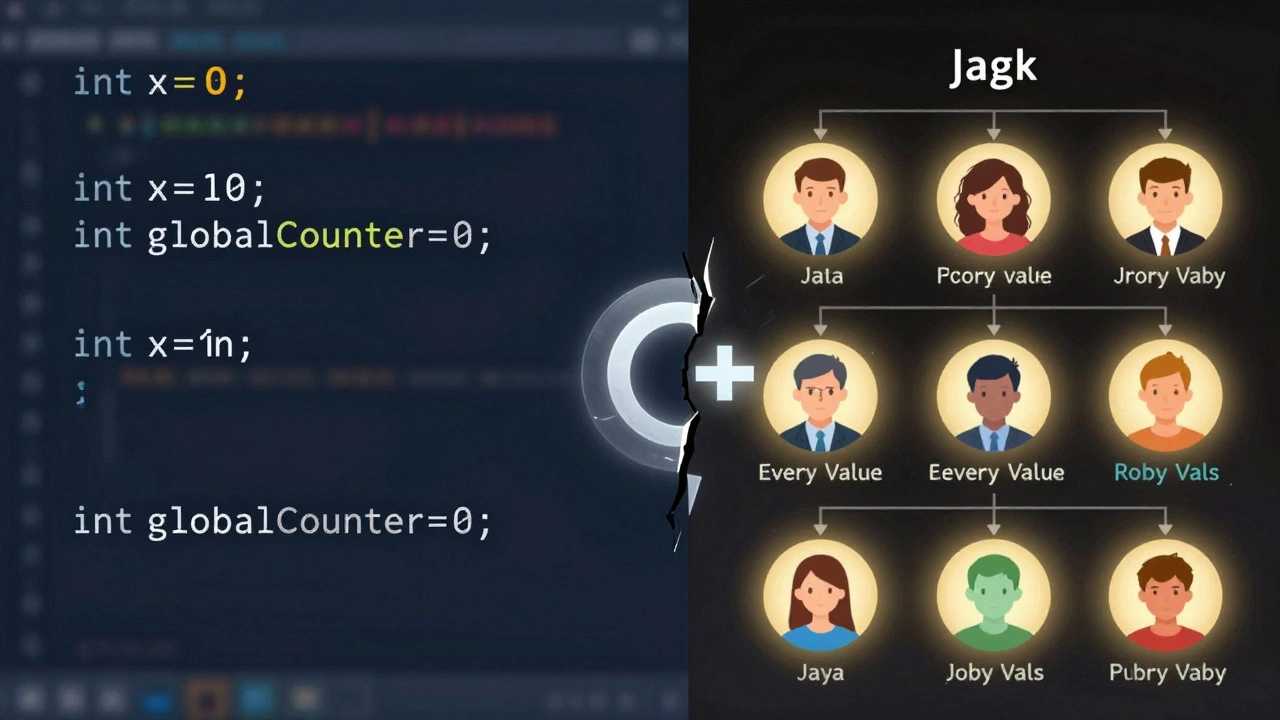
C++ supports object-oriented programming but isn't fully OOP - it allows procedural code, global variables, and primitive types. Front-end developers need to understand this hybrid nature when working with WebAssembly, browser engines, and performance-critical code.
JavaScript remains the fastest front end language because it runs natively in browsers. WebAssembly boosts performance for heavy tasks, but doesn't replace JS. Optimizing bundle size and rendering matters more than the language itself.
HTML and Python serve different roles in web development. HTML structures content, while Python powers the backend. They work together but aren't interchangeable. Learn HTML first, then use Python to build dynamic server-side logic.
Browsers run JavaScript natively, so Python can't replace it directly. Tools like Pyodide let you use Python via WebAssembly for specific tasks, but JavaScript remains essential for DOM manipulation. Learn when Python helps in front-end and why JS is still needed.
C++ is harder than Python for front-end developers because it demands manual memory management, complex typing, and slow compilation. Python lets you focus on solving problems, not fighting the language.

HTML and CSS can build a beautiful static website, but they can't handle forms, bookings, or user logins. Learn what you really need to move from a brochure site to a functional, profitable web project.
Learn whether you should master HTML and CSS before jumping into JavaScript. Get a clear, practical roadmap for beginners to build real websites without confusion or frustration.
Python won't take over C++ in front-end development because they serve completely different roles. JavaScript still rules the browser, C++ powers performance-critical systems, and Python handles back-end tasks.
Yes, you can learn CSS and JavaScript at the same time. Start with basics of both, build small interactive projects, and avoid common beginner traps. Consistency beats perfection.

Discover why MySQL is a backend database, how front‑end code interacts with it via APIs, and best practices to keep your web apps secure and performant.

Wondering if backend really ups the difficulty compared to frontend? This article uncovers the real challenges on both sides, breaking down what makes each area tough in its own way. Find honest insights backed by hands-on experiences, useful facts, and pointers that'll give you an edge, whichever direction you choose. No jargon and no fluff—just a clear comparison that anyone interested in web dev can follow. Dig in and discover which role could fit you best.